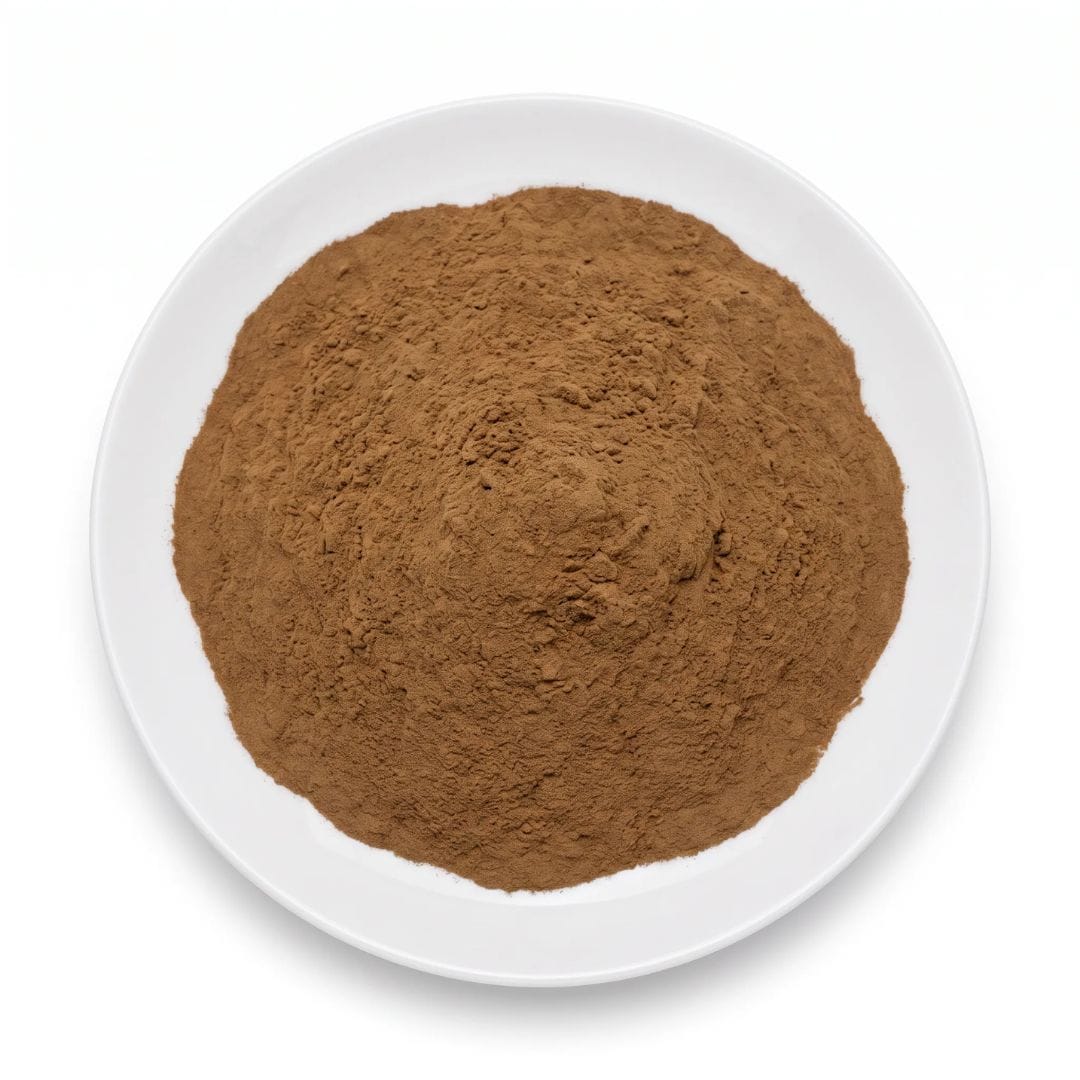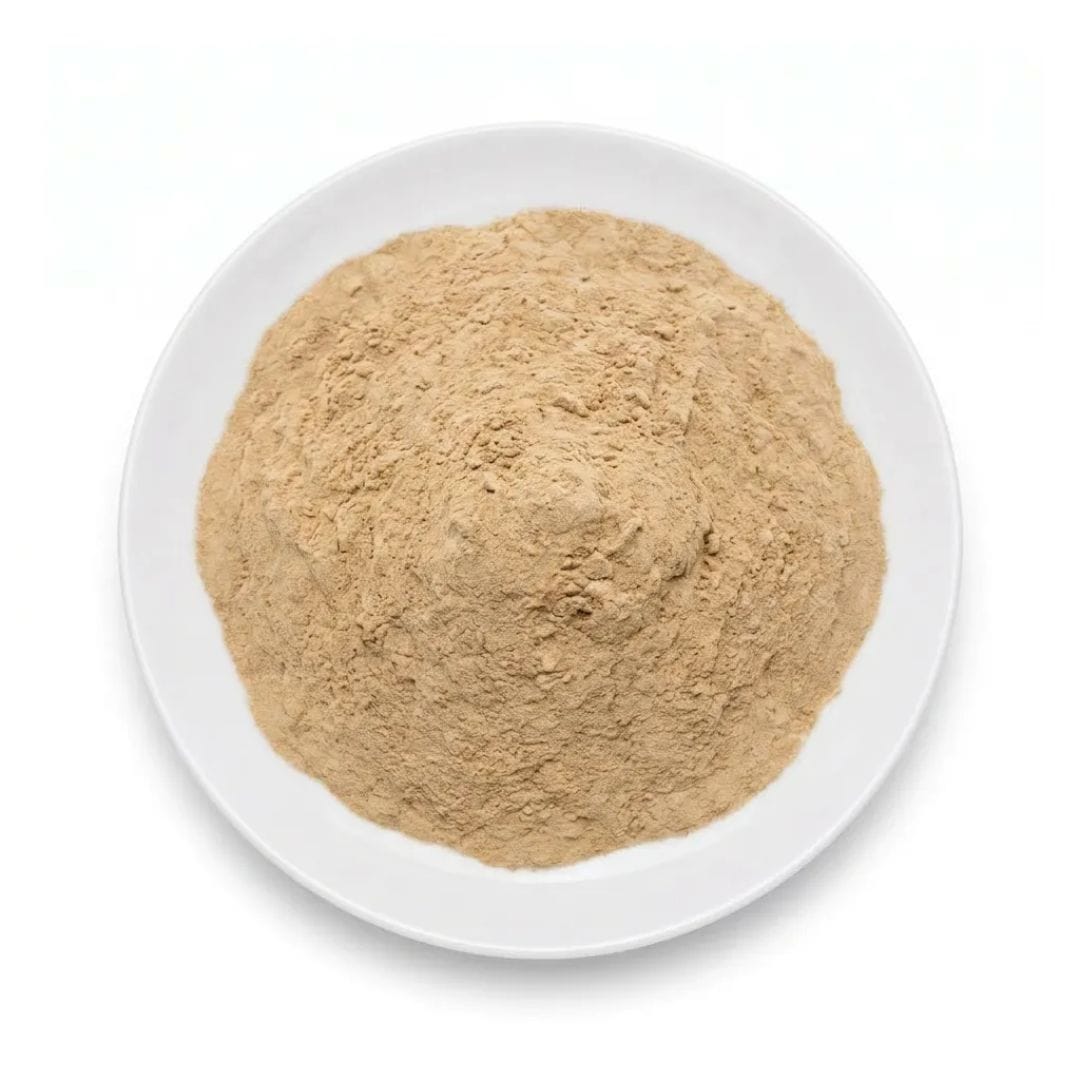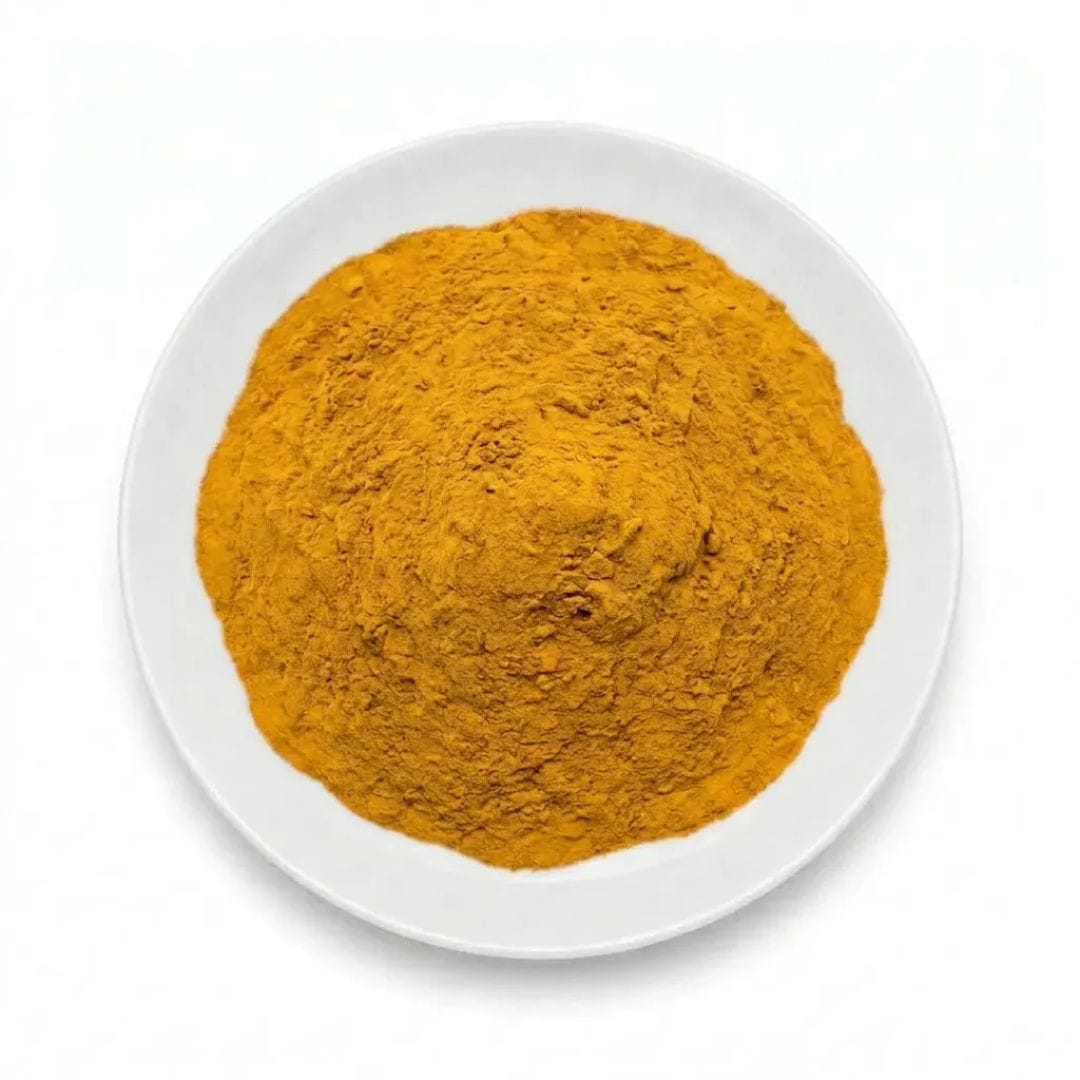
Turmeric Root Extract is a widely used botanical ingredient derived from the rhizome of Curcuma longa L. and valued for its naturally occurring curcuminoids, especially curcumin. As a standardized plant extract, it is designed to provide consistent composition from batch to batch, making it a reliable choice for supplement brands, functional food manufacturers, and nutraceutical formulators who require stable raw material performance.
Turmeric has a long history of use in traditional systems and is now recognized in modern ingredient markets for its role in formulations targeting wellness, daily nutrition, and natural color applications. Because of its characteristic orange-yellow profile and functional versatility, Turmeric Root Extract is commonly incorporated into dietary supplements, food products, and specialty formulations.
Product Overview
Turmeric Root Extract is produced from carefully selected turmeric roots and rhizomes through solvent extraction and downstream purification steps. The extract contains curcuminoids, a group of plant-based compounds associated with turmeric’s characteristic color and its broad commercial interest in nutrition and food applications.
This ingredient is especially useful for B2B buyers who need:
- Standardized curcumin content
- Natural plant-derived raw materials
- Stable supply for manufacturing
- Reliable specifications for formulation development
- A versatile ingredient for supplements, foods, and industrial uses
Basic Information
Product Name: Turmeric Root Extract
Latin Name: Curcuma longa L.
Part Used: Root, rhizome
Extraction Type: Solvent extraction
Active Ingredient: Curcumin
CAS No.: 458-37-7
Molecular Formula: C21H20O6
Formula Weight: 368.37
Test Method: HPLC
Place of Origin: Sichuan, Fujian, China; India
Harvest Season: Every spring and autumn
Synonyms: Curcuma aromatica Salisb., C. longa L., C. zedoaria (Berg.) Rosc., Acorus calamus L., Curcuma domestica Valeton
What Makes Turmeric Root Extract Valuable?
Turmeric Root Extract is best known for its curcuminoid profile, which includes curcumin, demethoxycurcumin, and bisdemethoxycurcumin. These naturally occurring compounds are the basis of the extract’s functional value and market demand.
For manufacturers and formulators, the key advantages include:
- Natural origin from turmeric rhizomes
- Standardized active content for formulation consistency
- Strong consumer recognition in wellness-oriented products
- Compatibility with supplement and food applications
- Broad use in natural color and botanical ingredient markets
Raw Material Sourcing and Supply Reliability
The quality of Turmeric Root Extract begins with the raw turmeric material. Extracts China works with turmeric sourced from established cultivation regions in China and India, where turmeric is harvested during the spring and autumn seasons. Careful selection of root and rhizome material supports consistency in color, composition, and extract performance.
For commercial buyers, sourcing traceability and stable raw material supply are especially important when developing:
- Capsules and tablets
- Powder blends
- Functional beverage systems
- Food color applications
- Custom botanical formulations
Manufacturing and Processing
Turmeric Root Extract is produced through a controlled solvent extraction process followed by filtration, concentration, crystallization, drying, screening, sieving, inspection, and packaging. This type of process helps isolate the desired curcuminoid fraction while supporting uniform product quality.
Typical Production Flow
Turmeric raw material → Screening → Ethanol solvent extraction → Filtration → Concentration → Crystallization → Drying → Screening → Sieving → Detection → Packaging
This standardized manufacturing sequence is important for maintaining product consistency, reducing variation, and supporting batch-to-batch reliability for industrial customers.
Product Specifications
Quality Standard
Conforms to USP36 standards
Specification
Curcumin 95%
Main Active Components
- Curcumin: C21H20O6
- Demethoxycurcumin: C20H18O5
- Bisdemethoxycurcumin: C19H16O4
Appearance
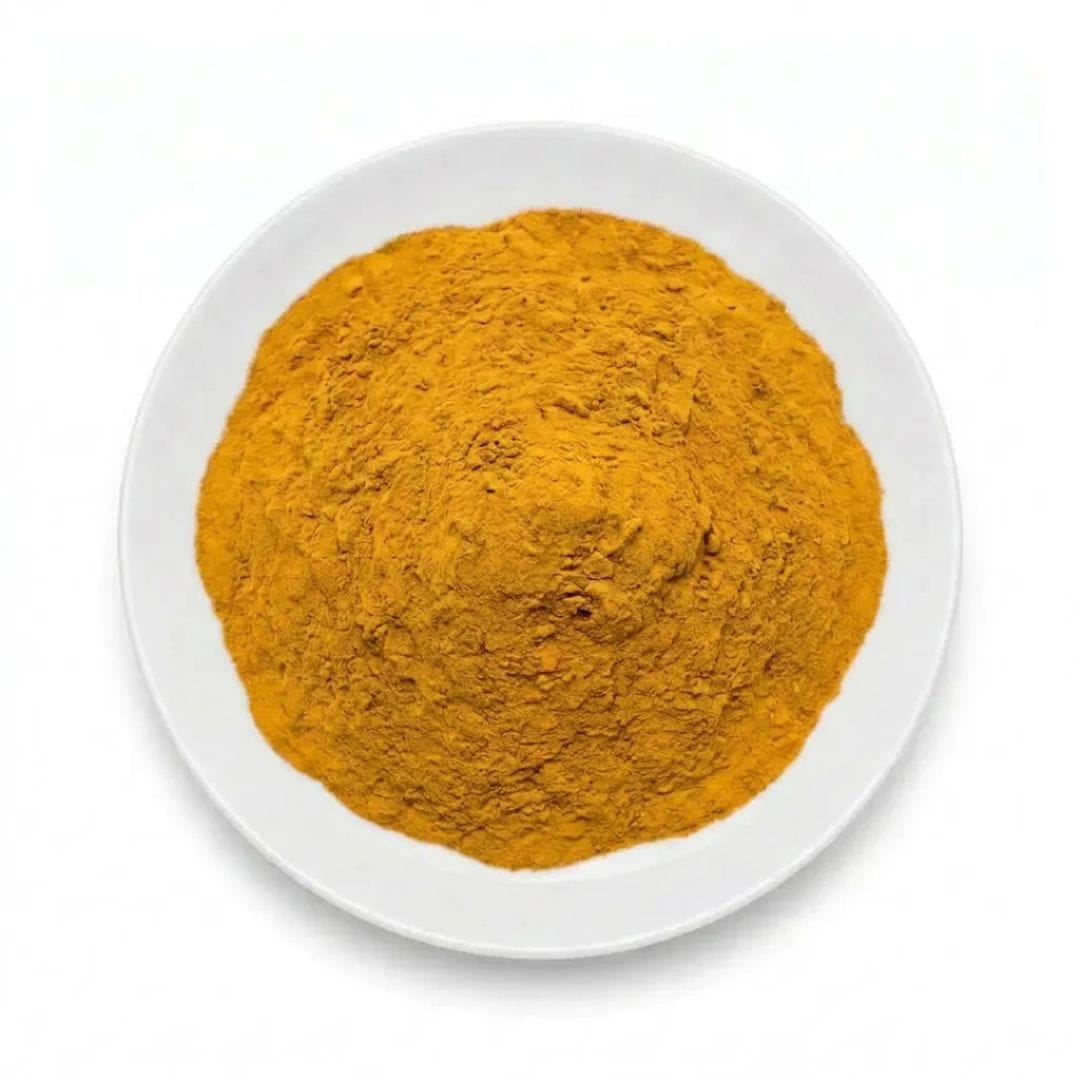
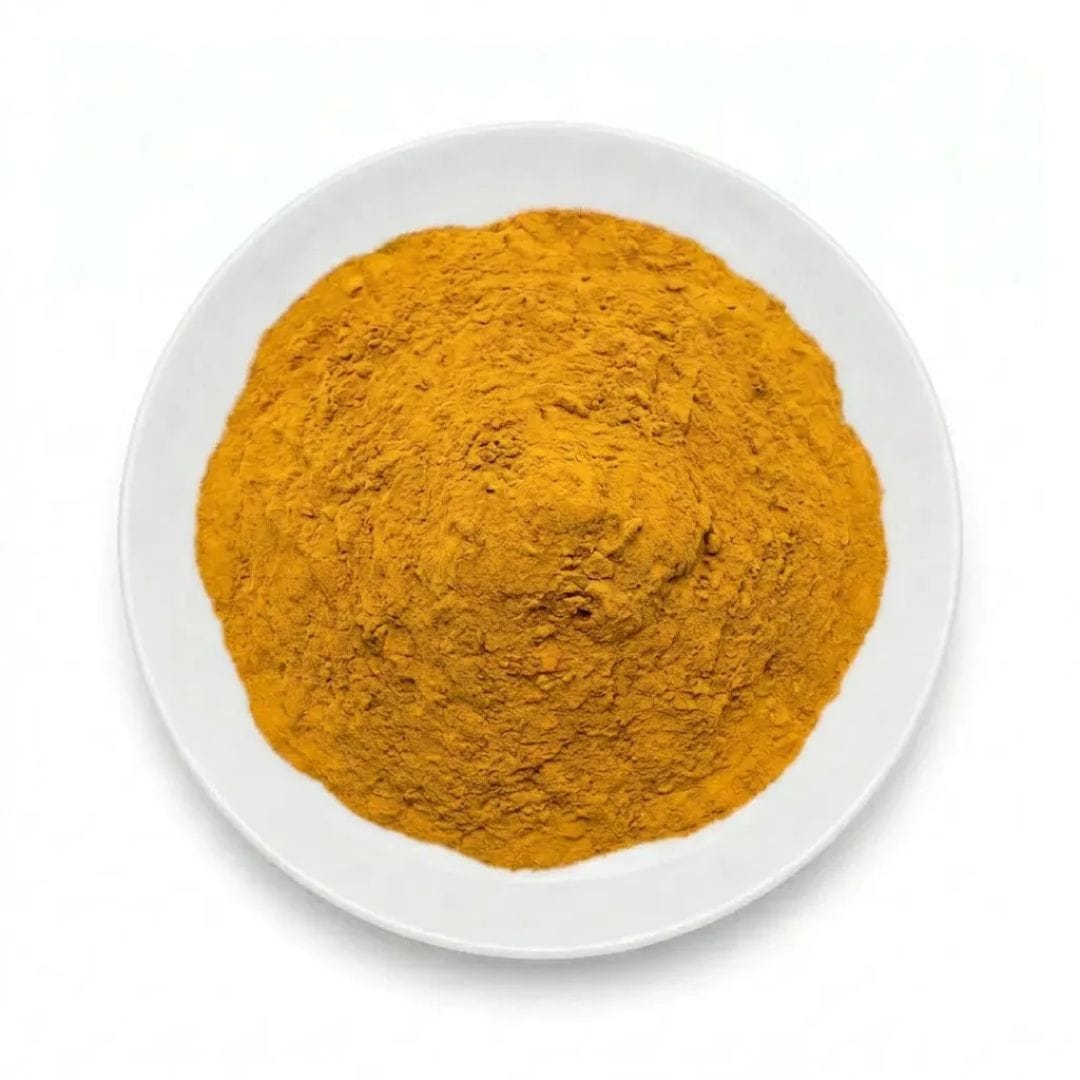
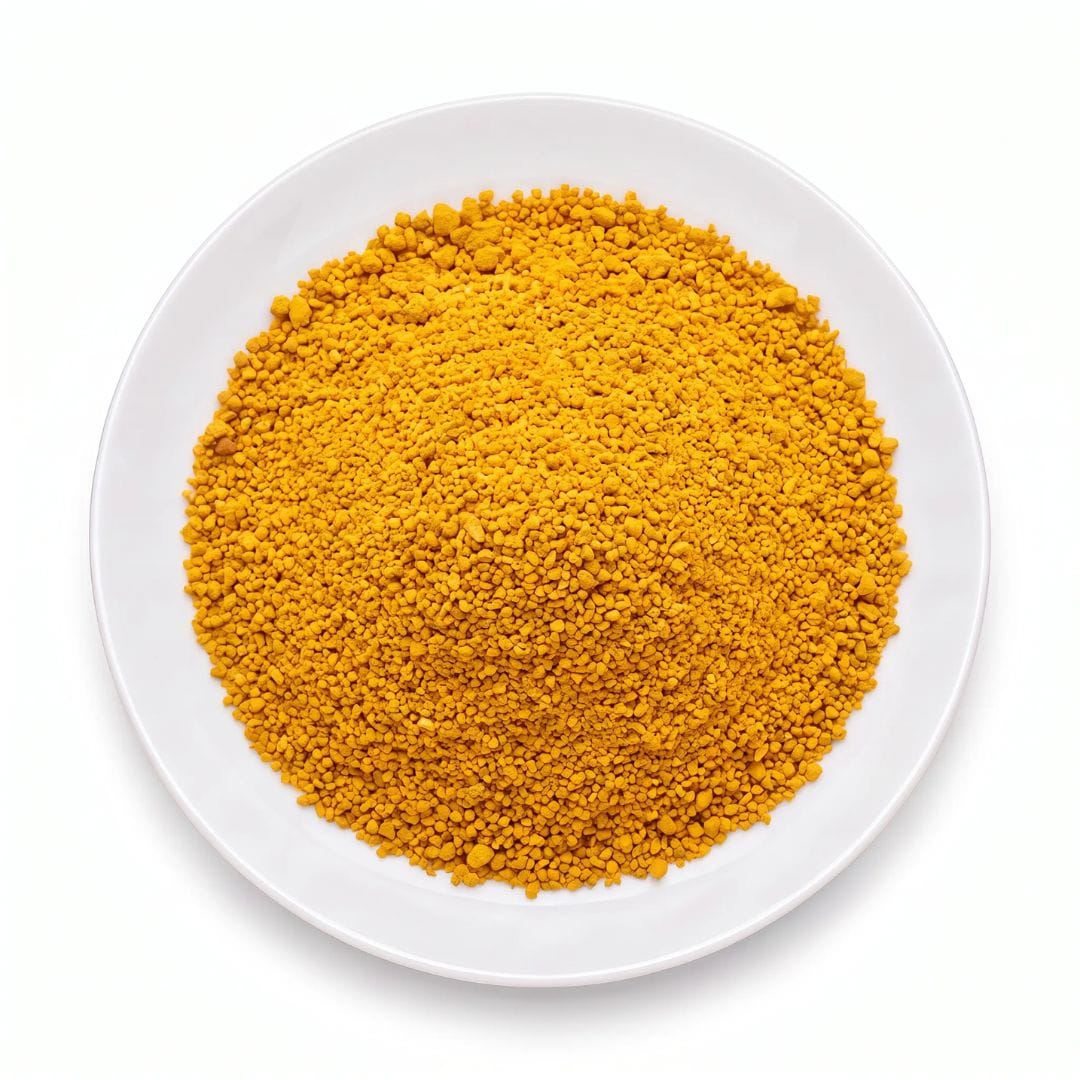
Orange-yellow crystalline powder
Solubility
- Insoluble in water and ether
- Soluble in ethanol and glacial acetic acid
Test Method
HPLC
These properties make Turmeric Root Extract suitable for formulation teams evaluating dispersibility, ingredient compatibility, and product appearance in finished applications.
Functional Benefits and Market Applications
Turmeric Root Extract is widely used in health-focused product development because of its association with antioxidant and anti-inflammatory positioning in the ingredient marketplace. It is commonly selected for products intended to support general wellness, joint care, and daily nutritional routines.
Commonly Sought Functional Benefits
- Supports healthy inflammatory response
- Provides antioxidant-related value
- Fits joint health and mobility formulations
- Suitable for heart-health-oriented supplement concepts
- Used in beauty-from-within and skin-focused formulations
- Common in digestive and wellness blends
- Widely recognized in botanical nutrition products
- Used in formulations targeting daily vitality and healthy aging
While turmeric and curcumin are actively studied in nutritional science, product claims and final labeling should always follow applicable regulations and substantiated marketing requirements in each target market.
Use in Food, Supplements, and Industry
Turmeric Root Extract serves multiple commercial sectors, which makes it a practical ingredient for manufacturers seeking a multifunctional botanical raw material.
1. Food Applications
Turmeric extract is used in food processing for natural coloring in:
- Sausage products
- Canned foods
- Sauces
- Stewed foods
- Seasoned and processed foods
Its color performance and natural origin make it attractive for clean-label product development.
2. Industrial and Technical Uses
Curcumin has long been used as a natural pigment in the food industry, including as the color additive E100. It is also used as an acid-base indicator, with color changes observed across pH ranges, making it relevant in certain technical and analytical applications.
3. Nutraceutical and Supplement Applications
Turmeric Root Extract is widely used in:
- Hard capsules
- Tablets
- Powder sachets
- Blend formulas
- Joint support products
- Antioxidant supplements
- Botanical wellness formulas
Formulation Considerations
For product developers, Turmeric Root Extract offers several formulation advantages, but compatibility should still be evaluated based on the final application.
Key Formulation Notes
- Works well in dry blend systems
- Often paired with black pepper extract in absorption-focused supplement concepts
- Suitable for standard capsule and tablet formats
- Color intensity should be considered in finished products
- Stability can be influenced by light, oxygen, moisture, and processing conditions
A commonly used formulation concept is Turmeric Extract Supplement with BioPerine (Black Pepper Extract), which is often selected in the market for absorption-oriented positioning.
Competitive Advantages of Extracts China Turmeric Root Extract
Extracts China supplies Turmeric Root Extract with a focus on consistency, quality control, and international B2B service.
Key Advantages
- 100% natural plant-based ingredient
- Standardized quality control
- Factory-direct supply
- Stable specifications for commercial production
- Multiple supply channels
- Large-volume availability
- Overseas warehouse stock in the USA
- Suitable for global sourcing and formulation needs
These strengths are particularly valuable for brand owners, distributors, contract manufacturers, and importers seeking dependable turmeric extract supply.
Quality Control and Product Reliability
Quality assurance is a critical part of botanical ingredient procurement. Turmeric Root Extract is manufactured under controlled processes and tested by HPLC to confirm active ingredient content.
For buyers, this supports:
- Consistency across production batches
- Easier formulation standardization
- Better control over product specifications
- Improved procurement confidence
- Lower risk of ingredient variability
Packaging and Storage
Proper packaging and storage are essential to protect botanical extract quality during transport and warehousing.
Storage Recommendations
- Store in a cool, dry place
- Keep away from direct sunlight, heat, and moisture
- Seal tightly after opening
- Follow standard handling practices for botanical powders
Packaging
Packaging can be arranged according to commercial order requirements. Bulk packaging is typically preferred for industrial buyers, private label brands, and distributors.
Logistics and Supply Support
Extracts China supports international trade customers with efficient logistics coordination and commercial supply services. This is especially useful for customers managing replenishment schedules, production timelines, and export purchasing plans.
Payment Terms
Payment terms can be arranged based on order confirmation and commercial agreement. A proforma invoice is typically issued before shipment processing.
FAQ
Can I get samples?
Yes, free samples can be supplied. Shipping costs are paid by the customer.
How do I place an order or make payment?
A proforma invoice will be sent after order confirmation, including bank details. Payment methods may include T/T, Western Union, or Escrow (Alibaba), depending on the transaction arrangement.
What is your MOQ?
The standard MOQ is 1 kg. Smaller quantities such as 100 g may be accepted if the sample charge is fully paid.
What is the delivery lead time?
Delivery lead time is usually about 3-5 days after payment confirmation, excluding Chinese holidays.
Is there a discount for larger quantities?
Yes, different quantities may qualify for different discount levels.
How do you handle quality complaints?
Quality control is designed to minimize issues. If a confirmed quality problem is caused by us, replacement goods or a refund will be provided according to the agreement.