What Is Tetrahydrocurcumin?
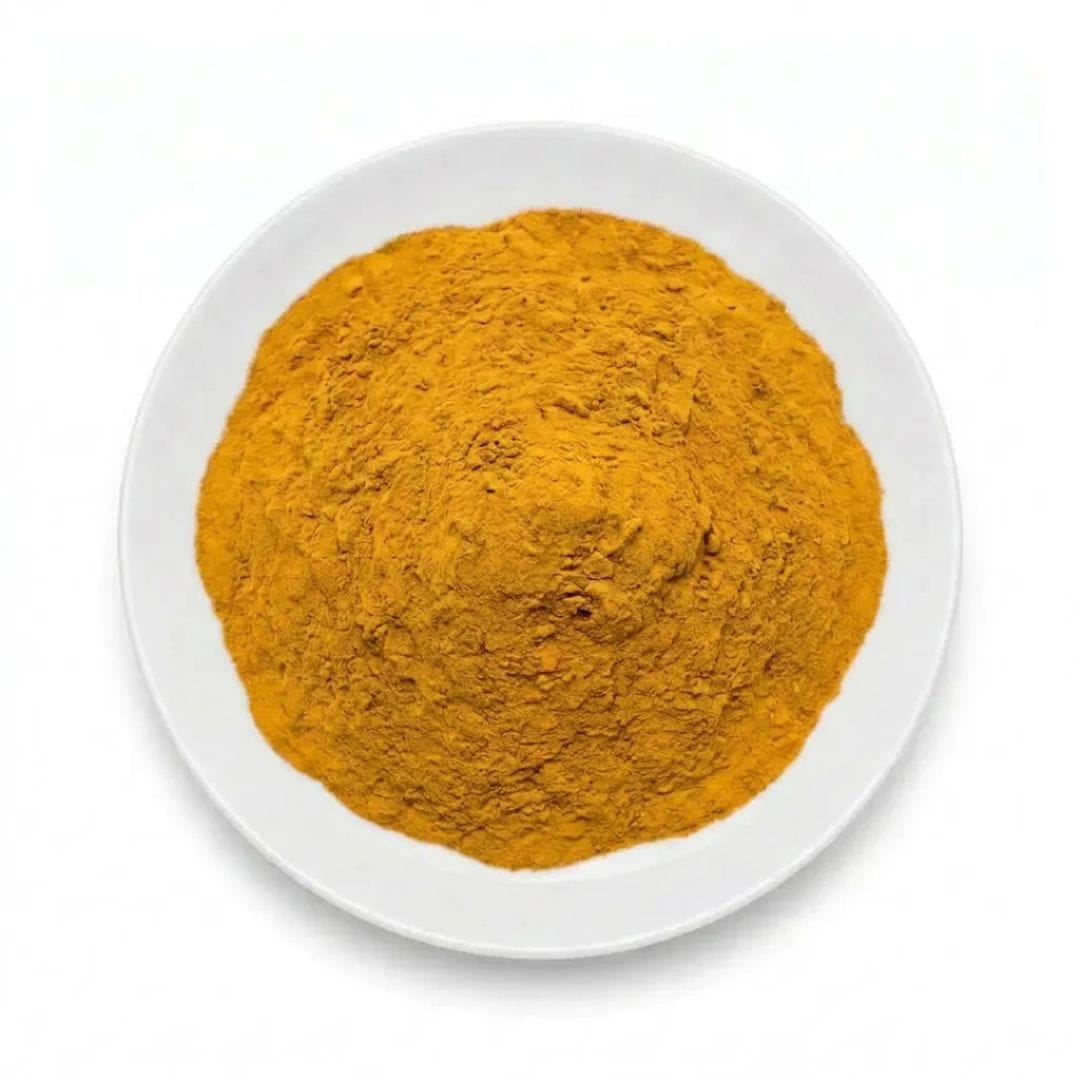
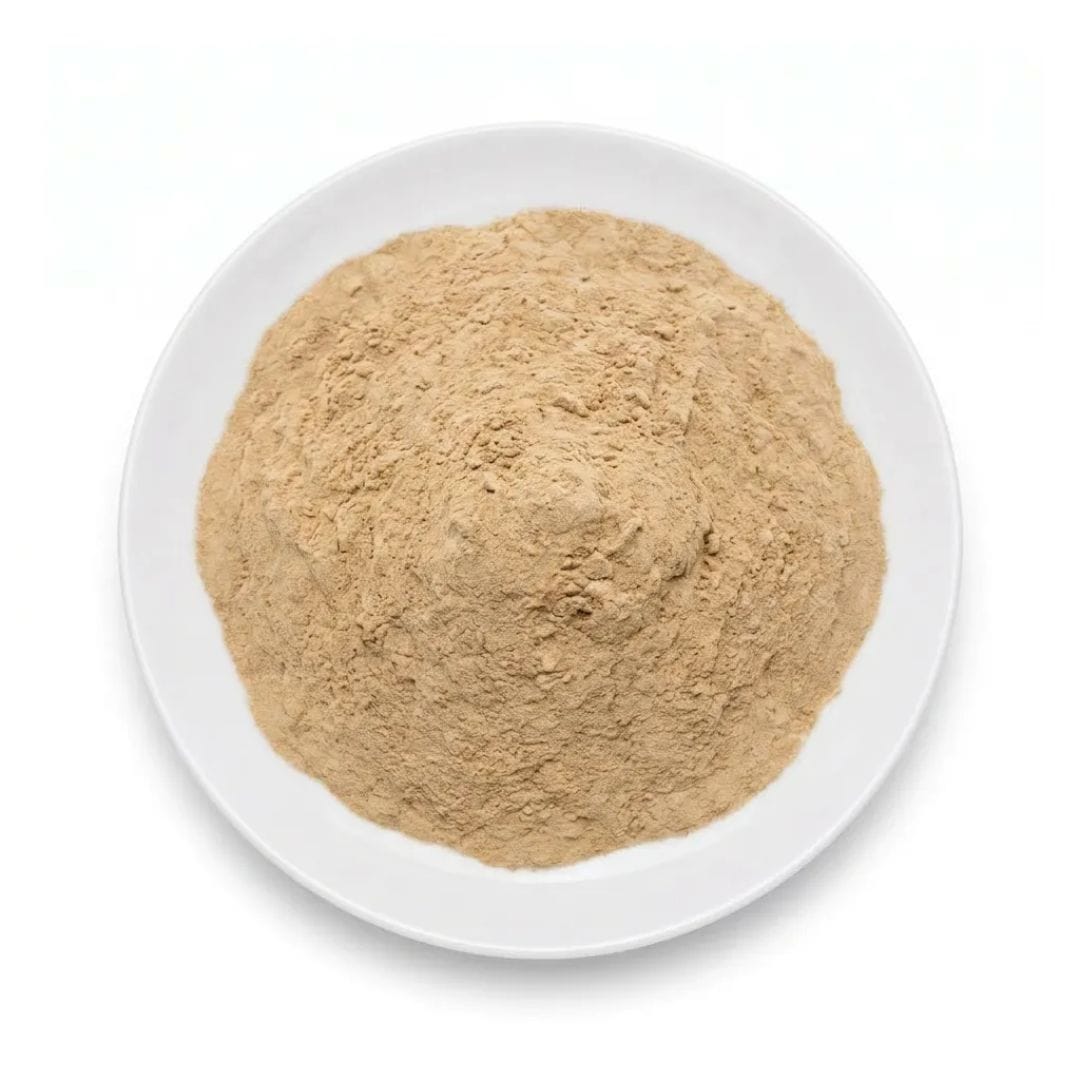
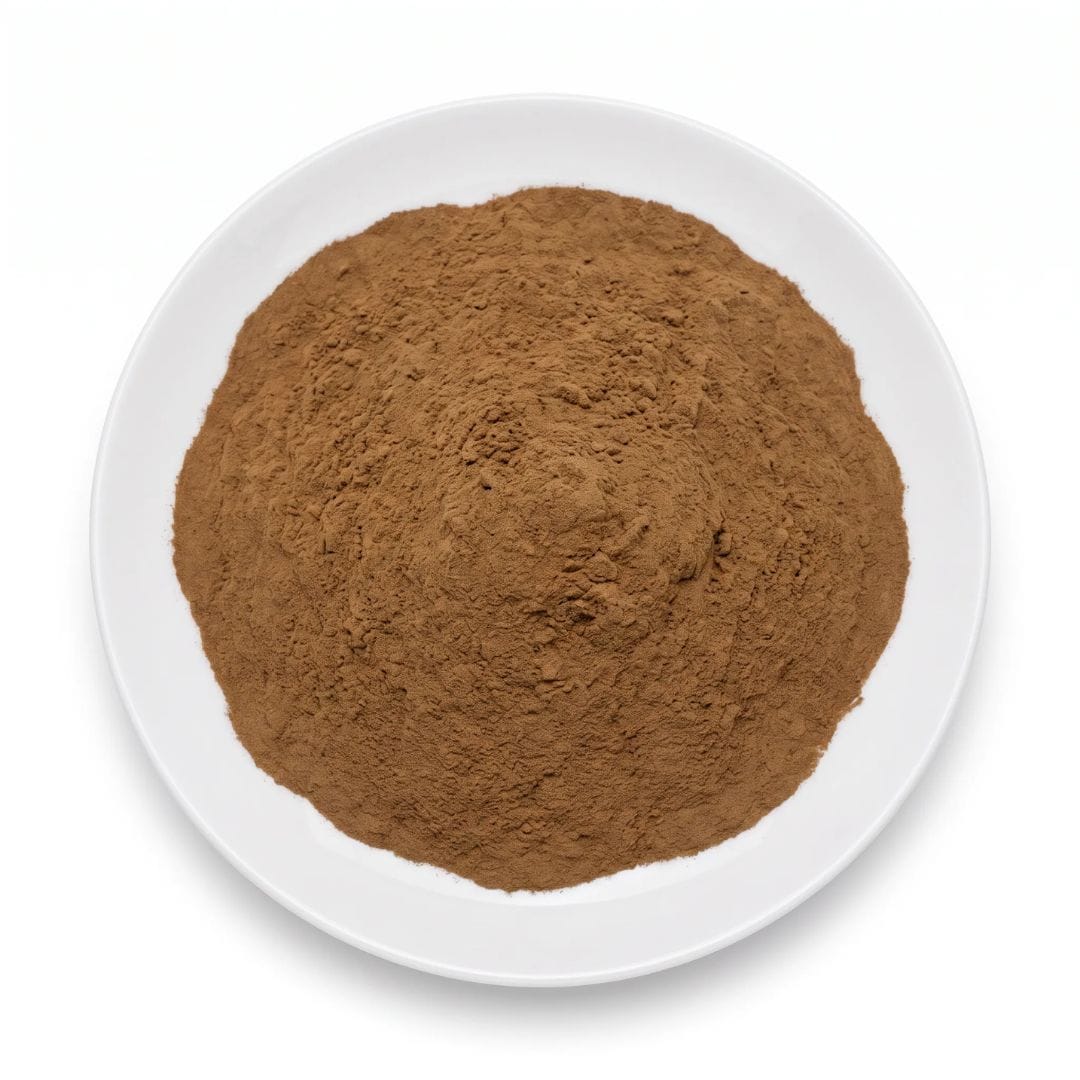
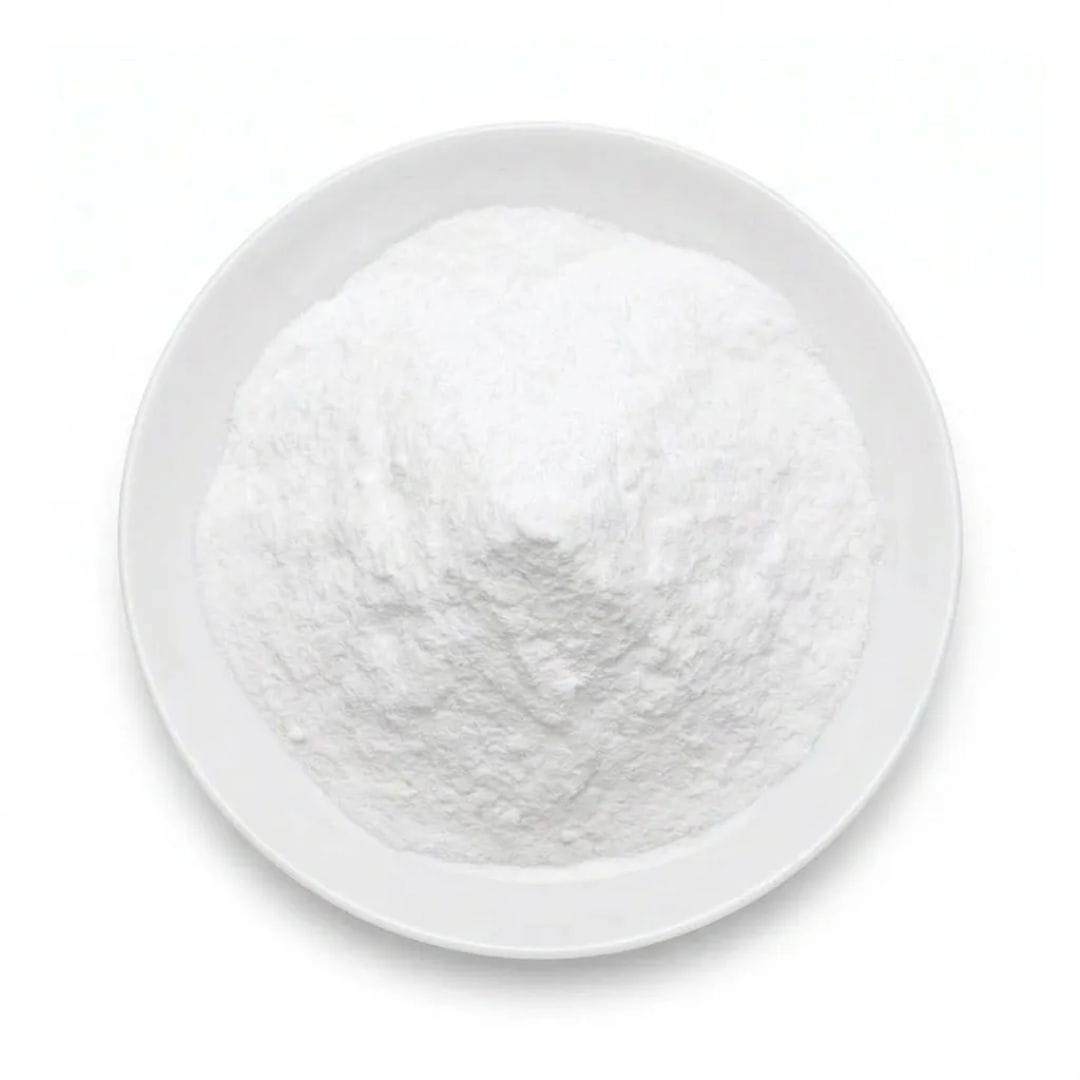
Tetrahydrocurcumin is the hydrogenated metabolite of curcumin and is widely recognized as one of the primary active transformation products of curcumin in the human body. It is produced by reducing curcumin’s double bonds, resulting in a more hydrophilic compound with a white, odorless powder appearance.
As a curcumin-derived ingredient, tetrahydrocurcumin has attracted growing attention in cosmetic formulation, personal care product development, and functional ingredient research. Because it is colorless, it is especially suitable for applications where the bright yellow color of standard turmeric extracts is undesirable.
In addition to its use in skincare and topical formulations, tetrahydrocurcumin is also valued by manufacturers and formulators looking for stable, plant-derived functional ingredients with broad compatibility in modern product systems.
Basic Information
Product Name: Tetrahydrocurcumin
Raw Material: Curcumin
Active Ingredient: Tetrahydrocurcumin
CAS No.: 36062-04-1
Molecular Formula: C21H26O6
Molecular Weight: 372.2 g/mol
Synonyms: SabiWhite; 3,5-Heptanedione, 1,7-bis(4-hydroxy-3-methoxyphenyl)-; 1,7-bis(4-hydroxy-3-methoxyphenyl)heptane-3,5-dione
Test Method: HPLC
Product Profile
Tetrahydrocurcumin is a beta-diketone, polyphenol, and diarylheptanoid derived from curcumin. Structurally, it is the reduced form of curcumin in which both double bonds have been converted into single bonds. This structural difference contributes to its distinctive physical properties, including its colorless nature and improved hydrophilic character compared with curcumin.
For manufacturers, formulators, and distributors, these characteristics make tetrahydrocurcumin a practical ingredient choice for high-value applications requiring visual neutrality, formulation flexibility, and plant-based positioning.
Key Features of Tetrahydrocurcumin
1. Colorless and Formulation-Friendly
Unlike conventional turmeric or curcumin extracts, tetrahydrocurcumin does not carry the strong yellow coloration typically associated with curcuminoids. This makes it highly suitable for products where appearance matters, such as whitening lotions, serums, creams, facial masks, and premium cosmetic systems.
2. Suitable for Skin Care Applications
Tetrahydrocurcumin is widely used in research and product development for skin care formulations. It is often selected for brightening, anti-aging, after-sun care, and general skin maintenance products.
3. Antioxidant-Oriented Ingredient
As a polyphenolic compound, tetrahydrocurcumin is commonly used in formulations designed to help protect cosmetic systems and support product performance against oxidative stress. It is also considered in topical products intended for environmental defense and skin-conditioning applications.
4. Better Aesthetic Compatibility
Because it is color-free, tetrahydrocurcumin can be incorporated into achromatic or light-colored formulations without affecting the final appearance of the finished product. This is an important advantage for brands developing clean, elegant, and premium cosmetic products.
Functional Benefits
Skin Care and Brightening Applications
Tetrahydrocurcumin is commonly used in topical formulations designed to support a brighter-looking complexion. It is often discussed in the context of tyrosinase-related cosmetic positioning and melanin-focused skin care concepts.
UV-Exposure Support
In cosmetic development, tetrahydrocurcumin is frequently associated with skin protection concepts for products intended for sun care and after-sun care use. Its role in free radical management makes it relevant to formulations aimed at environmental stress defense.
Formulation Stability Support
Tetrahydrocurcumin may also contribute to improved stability in oil-containing cosmetic systems by helping reduce oxidation-related issues in formulation components. This makes it valuable in products where long-term sensory quality and formula freshness matter.
Ingredient Versatility
Because of its plant-derived origin and neutral appearance, tetrahydrocurcumin can be used across a wide range of personal care applications and may fit well into multifunctional formulations developed by OEMs, ODMs, and private label brands.
Scientific and Technical Notes
Tetrahydrocurcumin is a curcumin metabolite that has been studied for its biological properties in scientific research. In published studies, it has been evaluated in cell-based systems and discussed for its antioxidant and topical-use potential.
It has also been investigated in relation to cancer cell models and cellular pathways in laboratory research. However, such findings should be understood as scientific observations from research settings and not as product claims for consumer applications.
For commercial buyers, the most relevant value of tetrahydrocurcumin lies in its ingredient profile, formulation compatibility, and suitability for personal care and nutraceutical product development.
Common Application Areas
Cosmetic and Personal Care Products
- Whitening and brightening creams
- Face serums and lotions
- Anti-aging skincare products
- After-sun care formulations
- Facial masks
- Daily skin maintenance products
- Functional topical preparations
Formulation Development
- Colorless botanical ingredient systems
- Achromatic cosmetic formulas
- Oil-in-water and other emulsion systems
- Premium skin care concepts
- Plant-based functional cosmetic products
Why Choose Tetrahydrocurcumin for Product Development?
For formulators, importers, and raw material distributors, tetrahydrocurcumin offers several practical advantages:
- Plant-derived ingredient from curcumin
- Colorless appearance for cleaner final formulations
- Broad use in topical and cosmetic applications
- Compatible with modern skincare product positioning
- Useful for brands seeking stable, nature-inspired functional ingredients
- Strong commercial relevance in beauty and personal care markets
Product Quality and Manufacturing Focus
At Extracts China, tetrahydrocurcumin is supplied with attention to material consistency, batch traceability, and professional quality control. For B2B buyers, reliable sourcing is essential when selecting ingredients for formulation stability, product uniformity, and long-term supply continuity.
Quality assurance typically focuses on raw material control, standardized processing, and analytical verification to help ensure dependable product performance. HPLC testing is used for identity and content control, supporting consistent material quality for industrial and commercial customers.
Packaging and Storage
Packaging:
- 25 kg/fiber drum, double plastic bag inside
- 1 kg/aluminum foil bag, vacuum packed
- Customized packaging available upon request
Storage:
Keep away from strong light and heat.
Shelf Life:
24 months for powder
Proper storage helps maintain product quality, appearance, and handling performance during warehousing and transport.
Logistics and Trade Support
Tetrahydrocurcumin is suitable for international shipment and bulk supply to manufacturers, brand owners, contract formulators, and distributors. Flexible trade terms may be arranged according to order requirements.
Payment Terms:
T/T, Western Union, Escrow, L/C, or open payment terms
FAQ
Q1: Can I get samples?
Yes, free samples can be provided. Shipping costs are usually borne by the customer.
Q2: How do I place an order or make payment?
A proforma invoice will be issued after order confirmation, together with bank details. Payment can be made by T/T, Western Union, or Escrow.
Q3: What is your MOQ?
The MOQ is 1 kg. Smaller quantities such as 100 g may be accepted, subject to sample charge being fully paid.
Q4: What is the delivery lead time?
Delivery is usually about 3-5 days after payment confirmation, excluding Chinese holidays.
Q5: Is there a discount?
Yes, pricing discounts may vary depending on the order quantity.
Q6: How do you handle quality complaints?
Quality control is designed to minimize quality issues. If a verified quality problem is caused by us, replacement goods or refund support will be provided.