WHAT IS PHYLLANTHUS EMBLICA FRUIT EXTRACT?
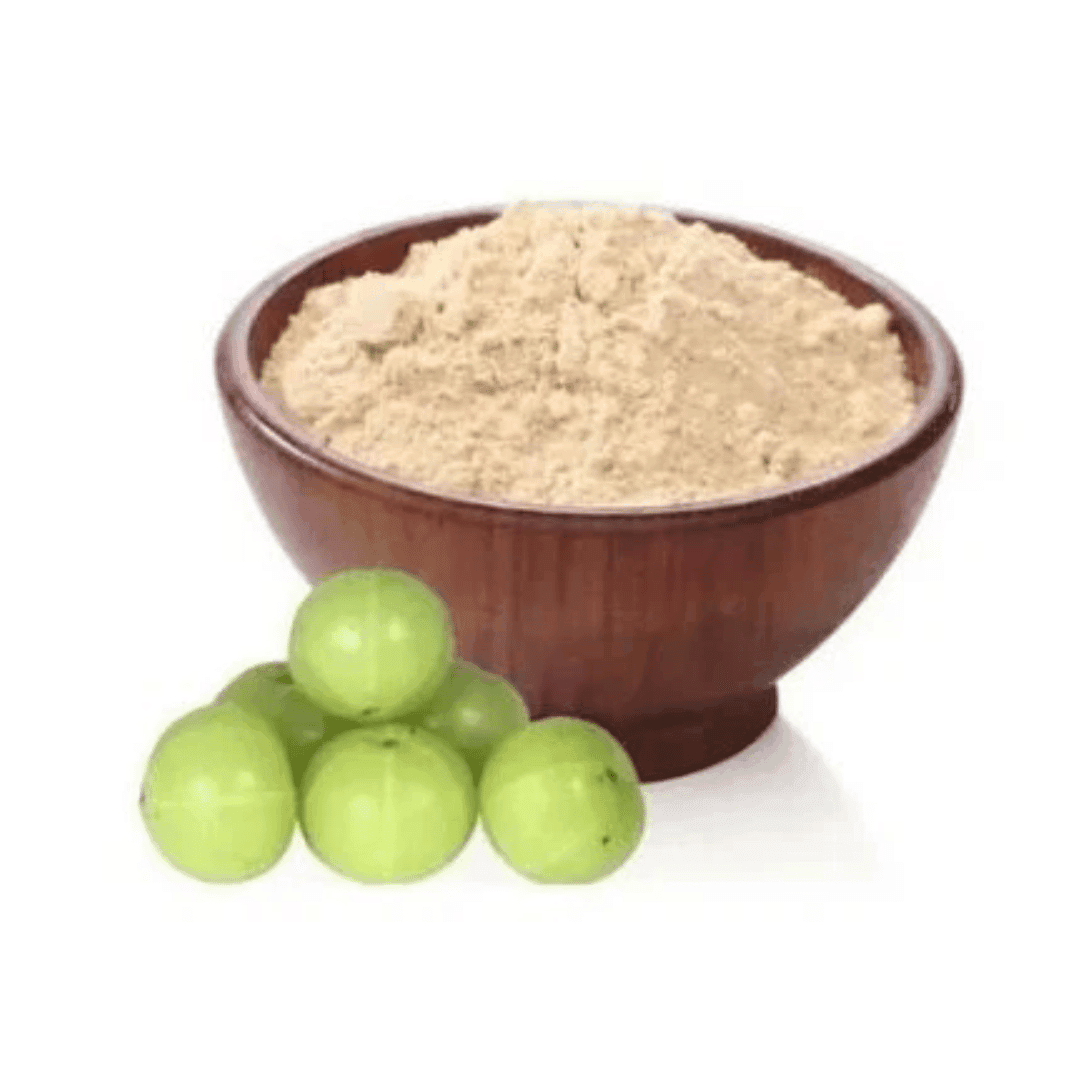
Phyllanthus emblica fruit extract, sourced from the Indian gooseberry plant, is a staple in Ayurvedic medicine. Widely utilized in skincare and haircare formulations, it is renowned for its antioxidant, anti-inflammatory, and revitalizing properties.
Rich in natural vitamin C, the extract promotes collagen synthesis, evens skin tone, and enhances radiance. It also acts as a gentle astringent, helping to tighten pores and refine skin texture.
In hair care, Phyllanthus emblica fruit extract nourishes the scalp, strengthens hair follicles, and supports healthy growth by improving scalp circulation.
This versatile ingredient, derived from Phyllanthus emblica L., offers multifaceted benefits for both skin and hair wellness.
PRODUCT ANALYSIS
- Name: Phyllanthus Emblica Extract
- Latin Name: Phyllanthus emblica L.
- Specifications: 10:1 – 100:1
- Application: Health Foods
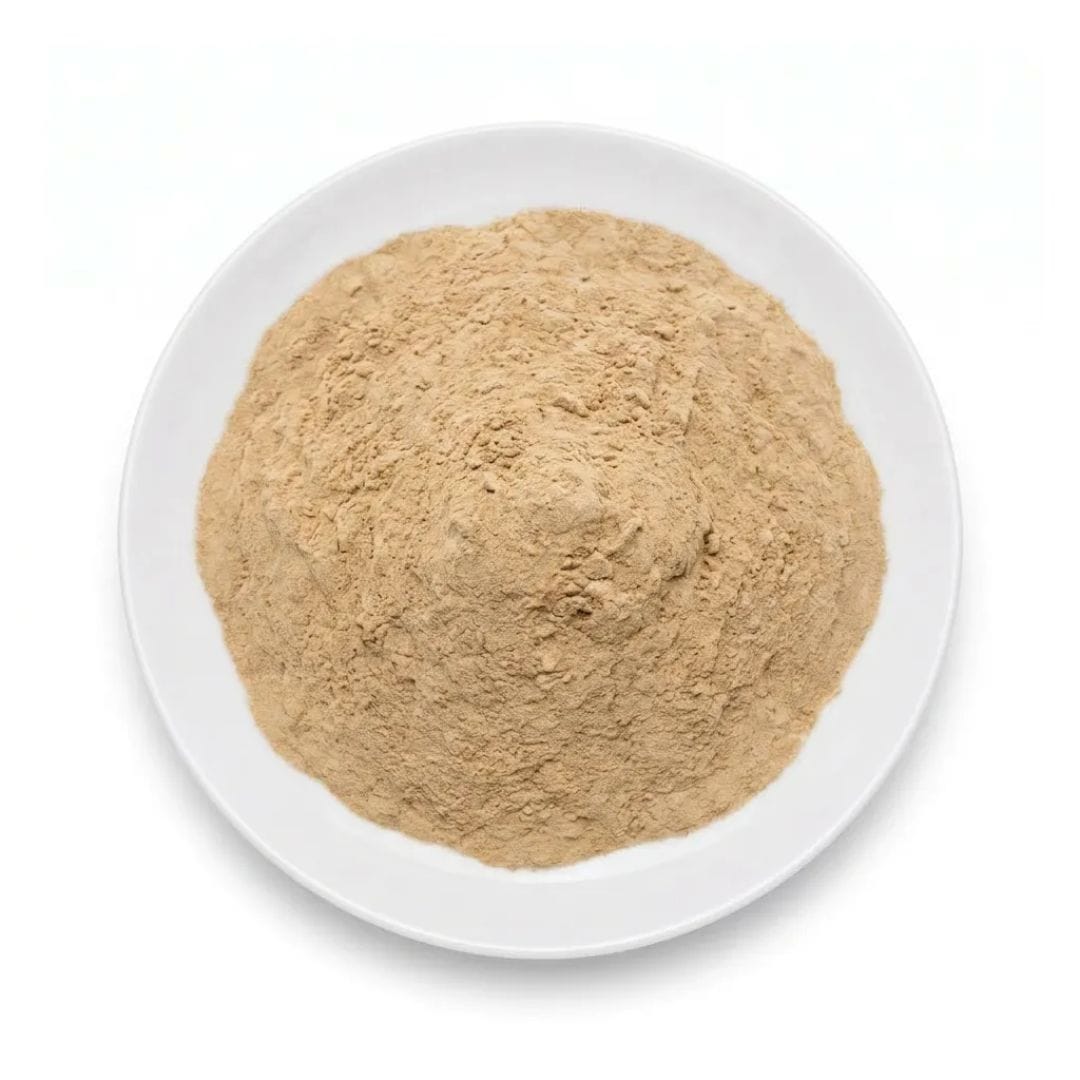
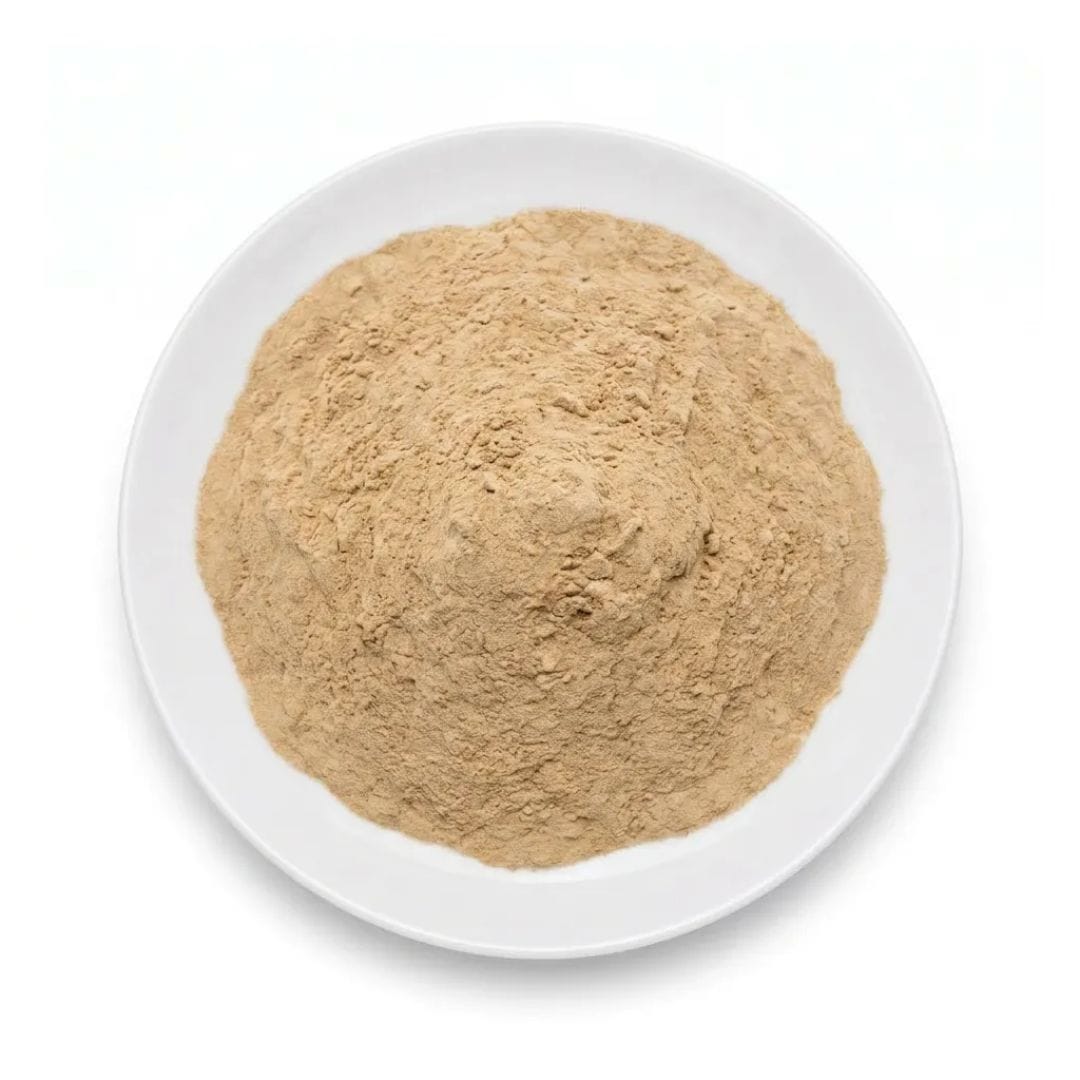
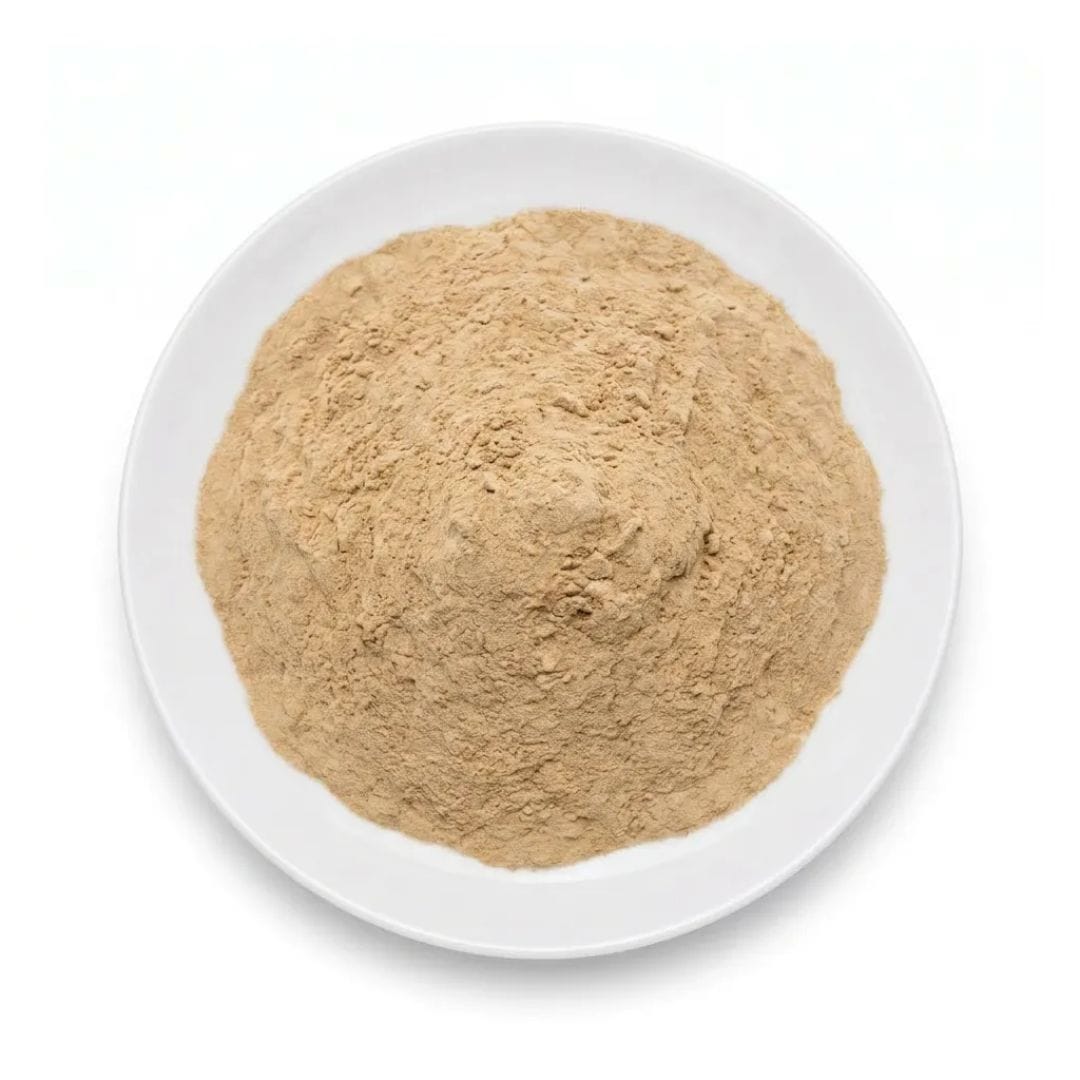
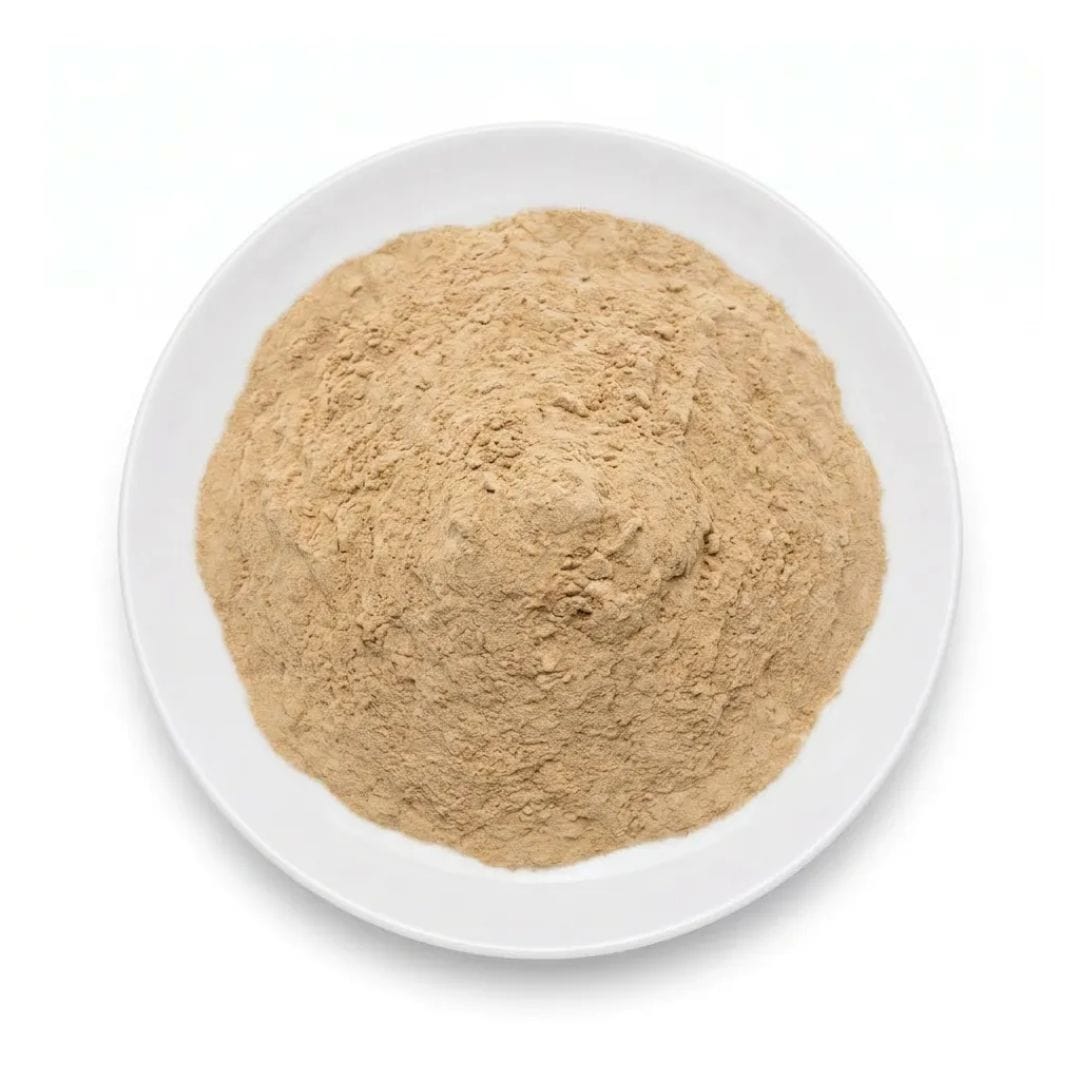
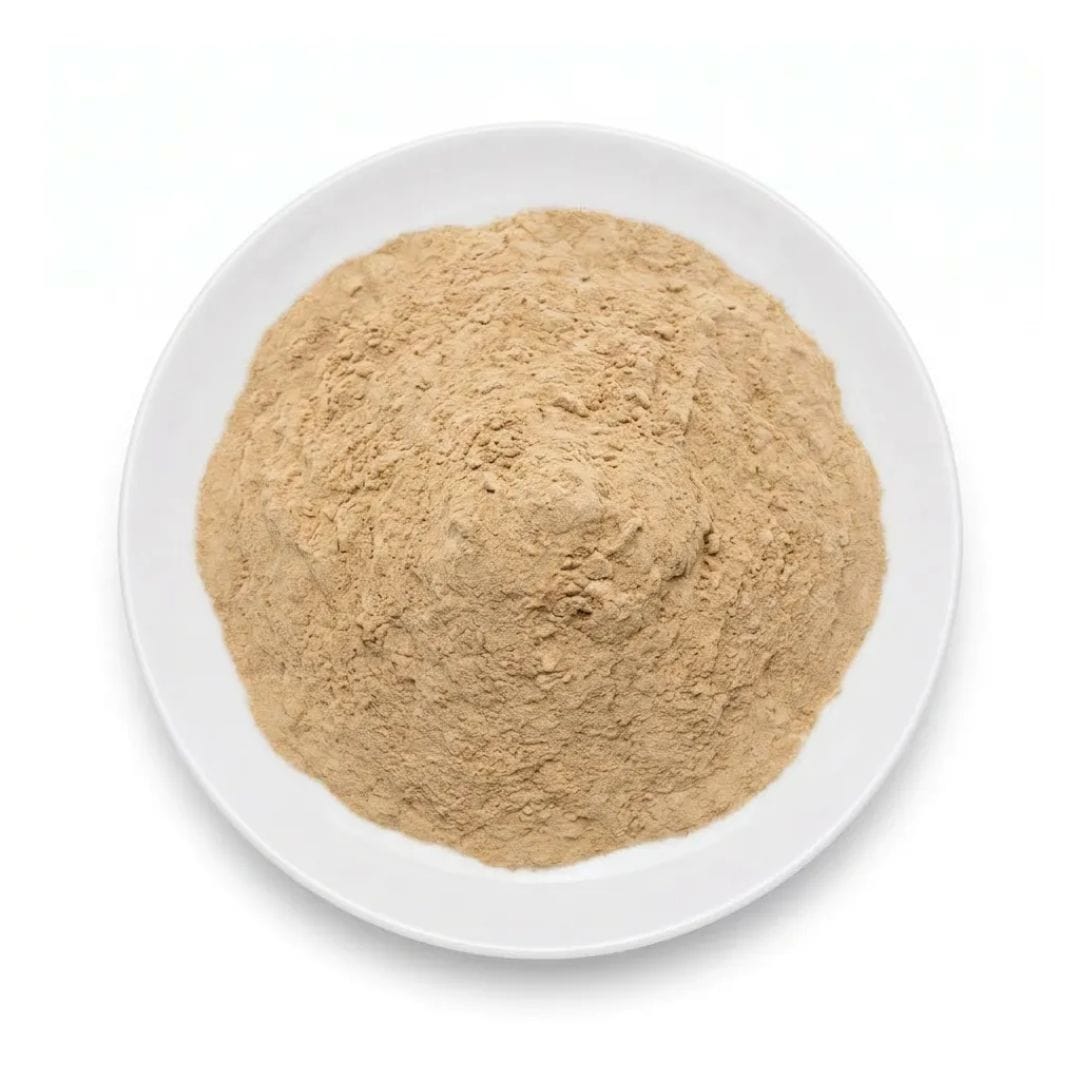
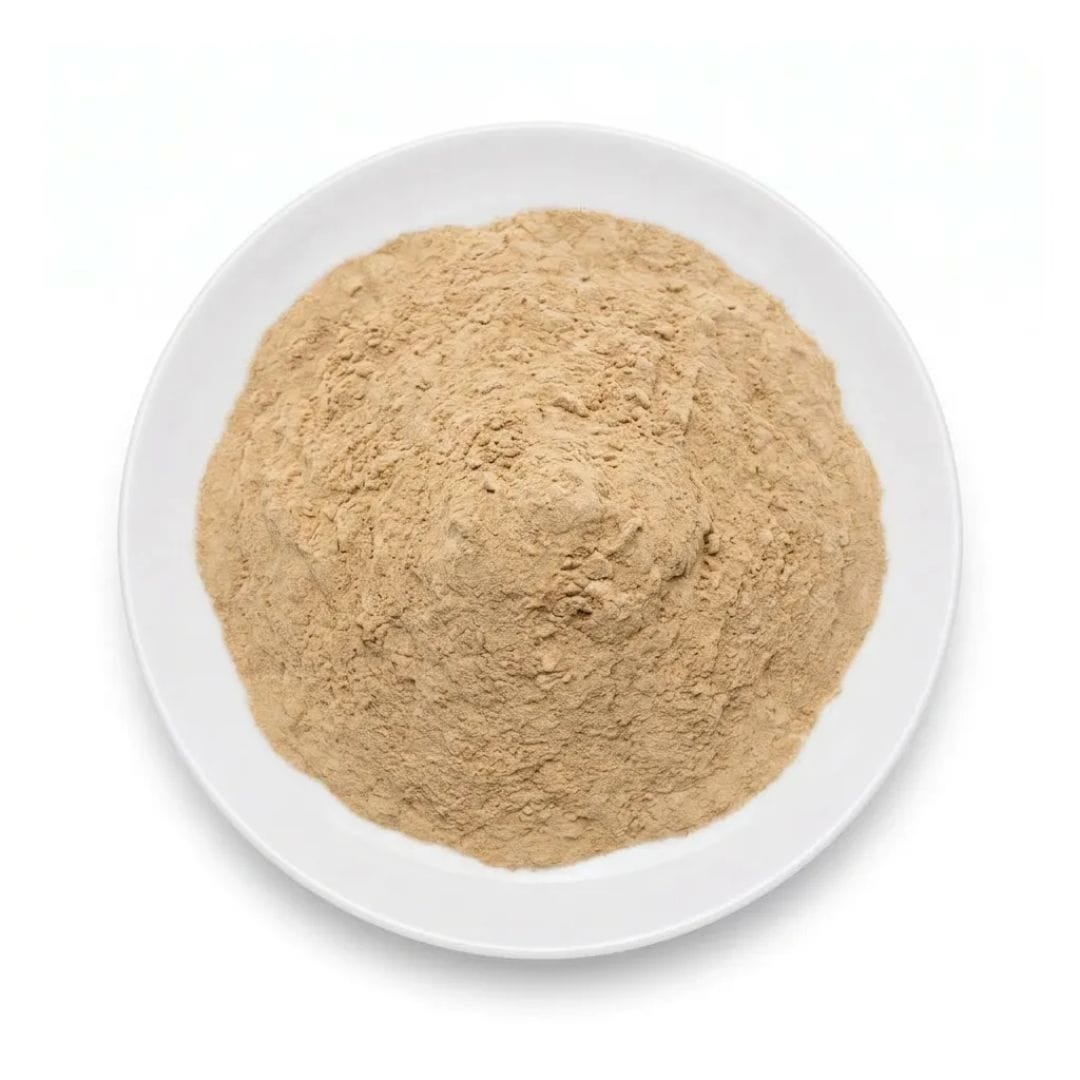
- Appearance: Brown-Yellow Powder
- Particle Size: 100% pass 80 mesh
- Packaging: 1kg/foil bag, 25kgs/drum
- Storage: Cool, dry place
- Shelf Life: 24 months
- MOQ: 1kg
PHYLLANTHUS EMBLICA FRUIT EXTRACT BENEFITS
Known in traditional medicine for its cooling and invigorating properties, Phyllanthus emblica fruit extract aids in clearing heat, soothing the digestive system, and alleviating symptoms like dry throat, cough, and indigestion. However, its cooling nature may not be suitable for individuals with weak constitutions or sensitive digestion. The fruit itself is also consumed as a nutritious snack, boosting immunity and vitality.
Cardiovascular Support:
Studies show that oral administration of emblica extract (1g/kg over two days) reduces isoproterenol-induced myocardial damage in rats by preserving heart muscle glycogen levels. In rabbits, supplementation with the extract significantly lowers serum, liver, and coronary artery cholesterol (P<0.001), suggesting benefits beyond its vitamin C content.
Antioxidant & Radioprotective Effects:
The extract demonstrates potent antimutagenic properties against environmental toxins, outperforming vitamin C alone. At 1–10% concentrations, it also mitigates chromosomal damage from radiation exposure, attributed to its blend of gallic acid, tannins, and reducing sugars.