WHAT IS SALICIN?
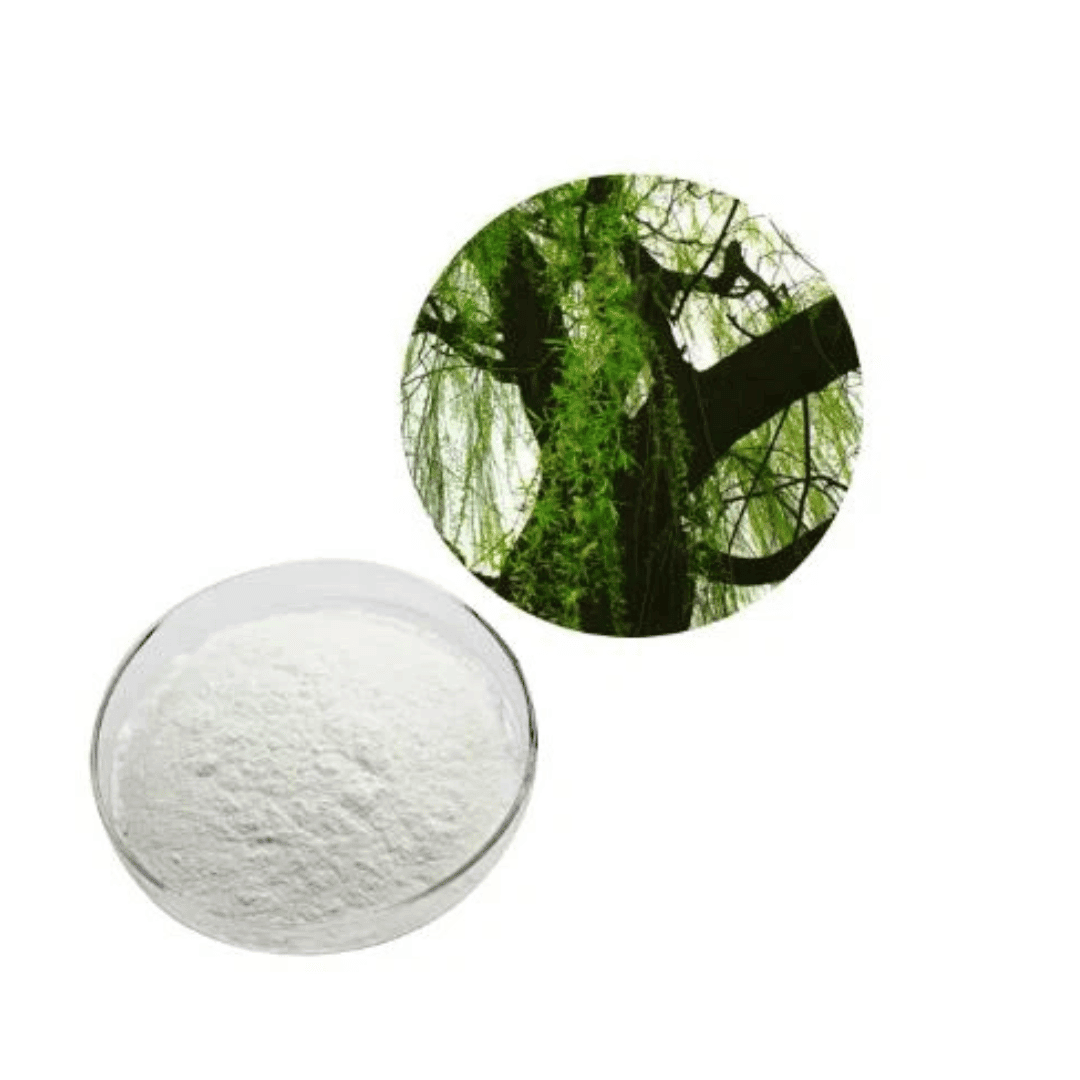
Salicin is a natural compound found in plants such as willow trees, widely recognized for its ability to alleviate fever and pain. It also serves as the foundational component in the synthesis of aspirin.
As a phenolic glycoside, salicin combines a phenolic group with a sugar molecule. When ingested, it metabolizes into salicylic acid, a substance known for its therapeutic effects. For centuries, willow bark has been traditionally used to address inflammation and discomfort due to this conversion process.
Today, salicin remains a key ingredient in natural pain-relief supplements and herbal teas. However, precautions are necessary, as salicin may interact with certain medications or cause adverse reactions. Consulting a healthcare professional before use is strongly advised.
ANALYSIS
| SPECIFICATION | RESULTS |
|---|---|
| Salicin Purity (HPLC) | 98% |
| Description | |
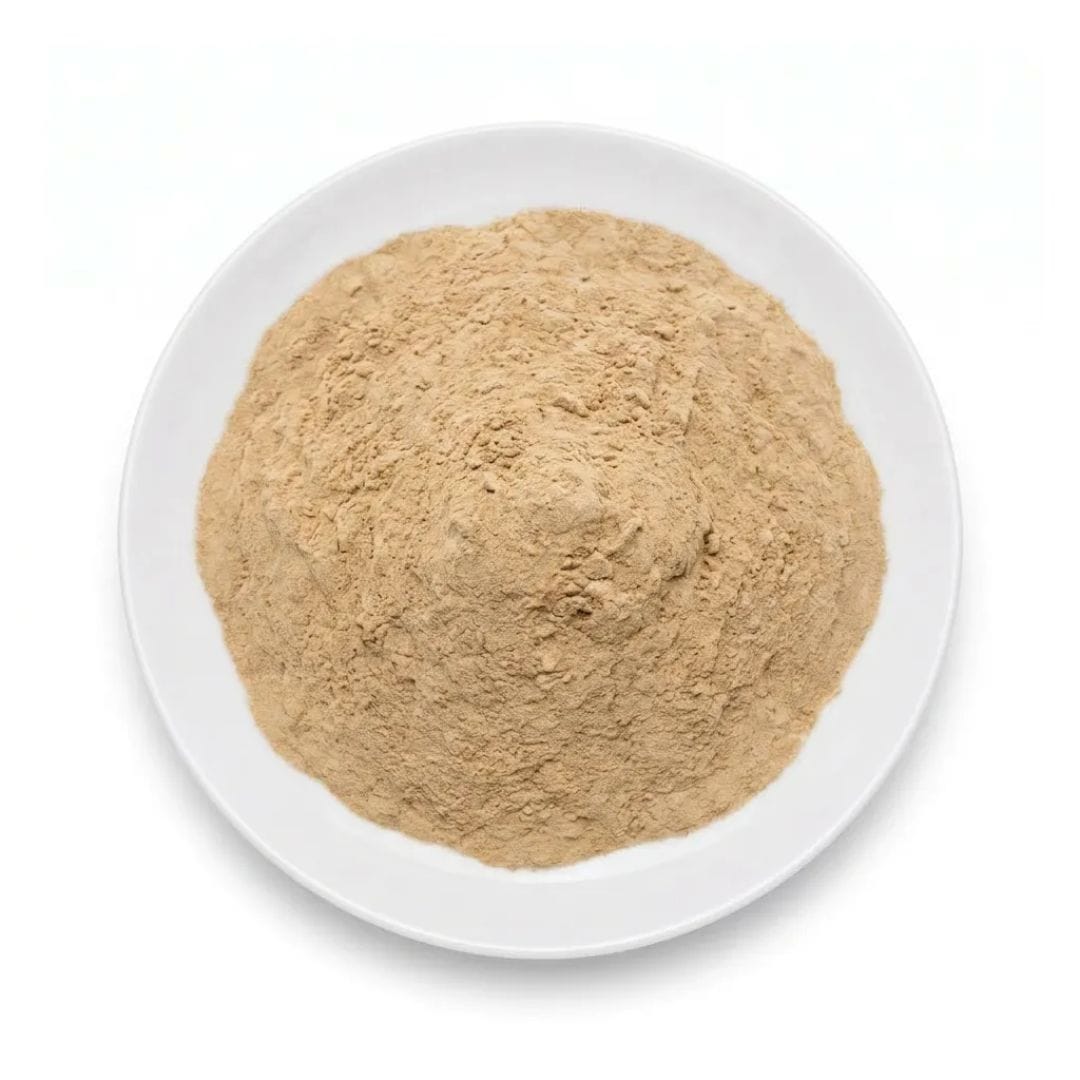
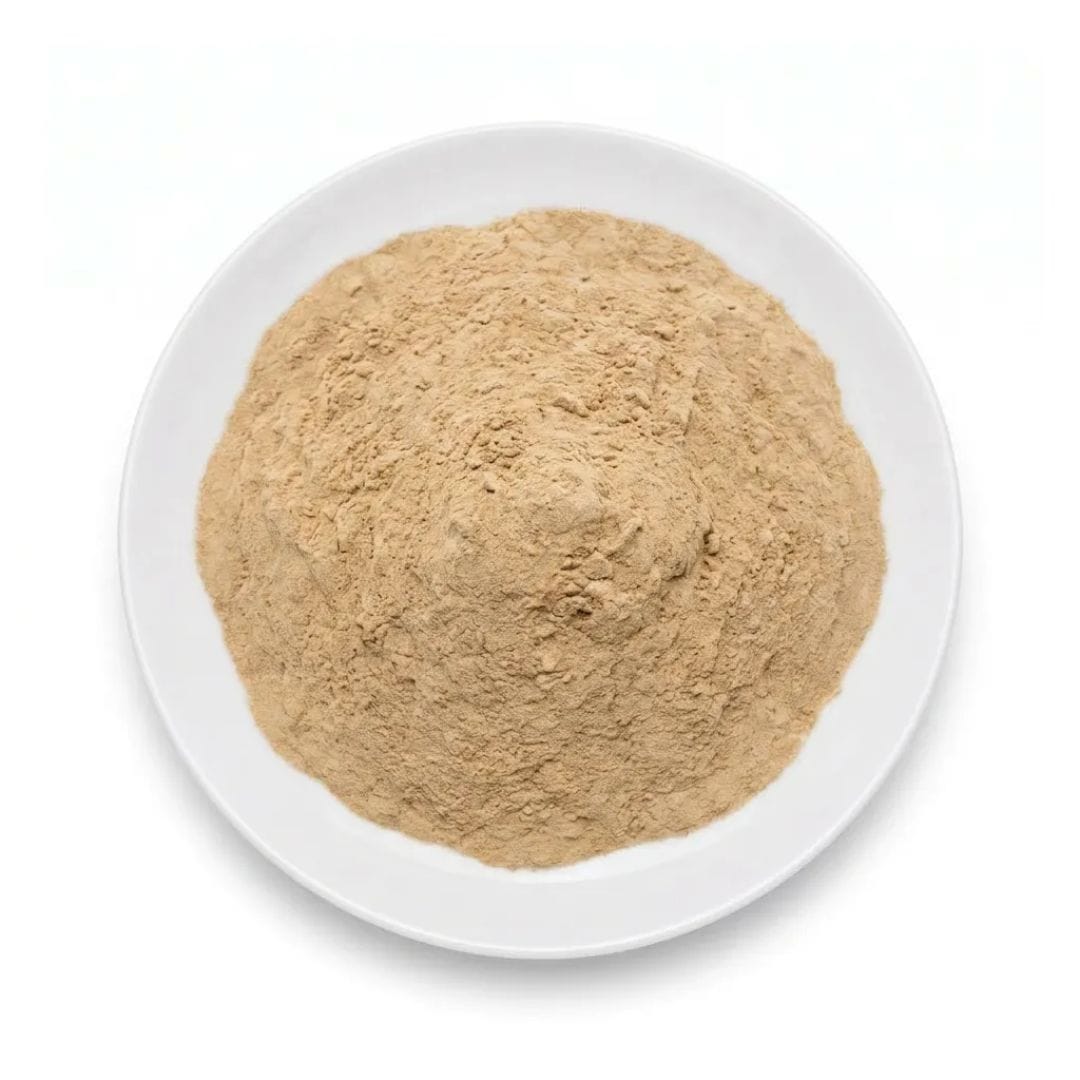
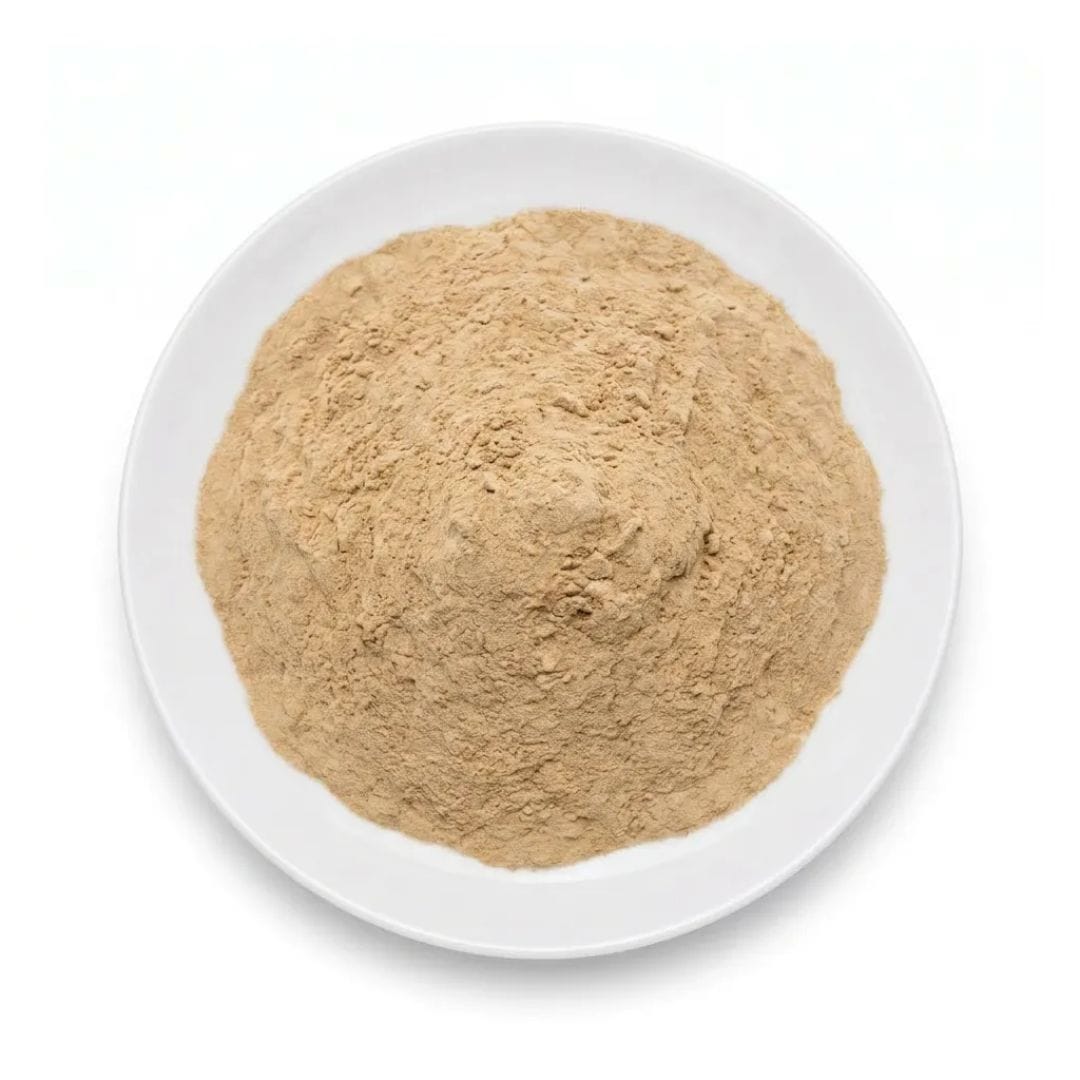
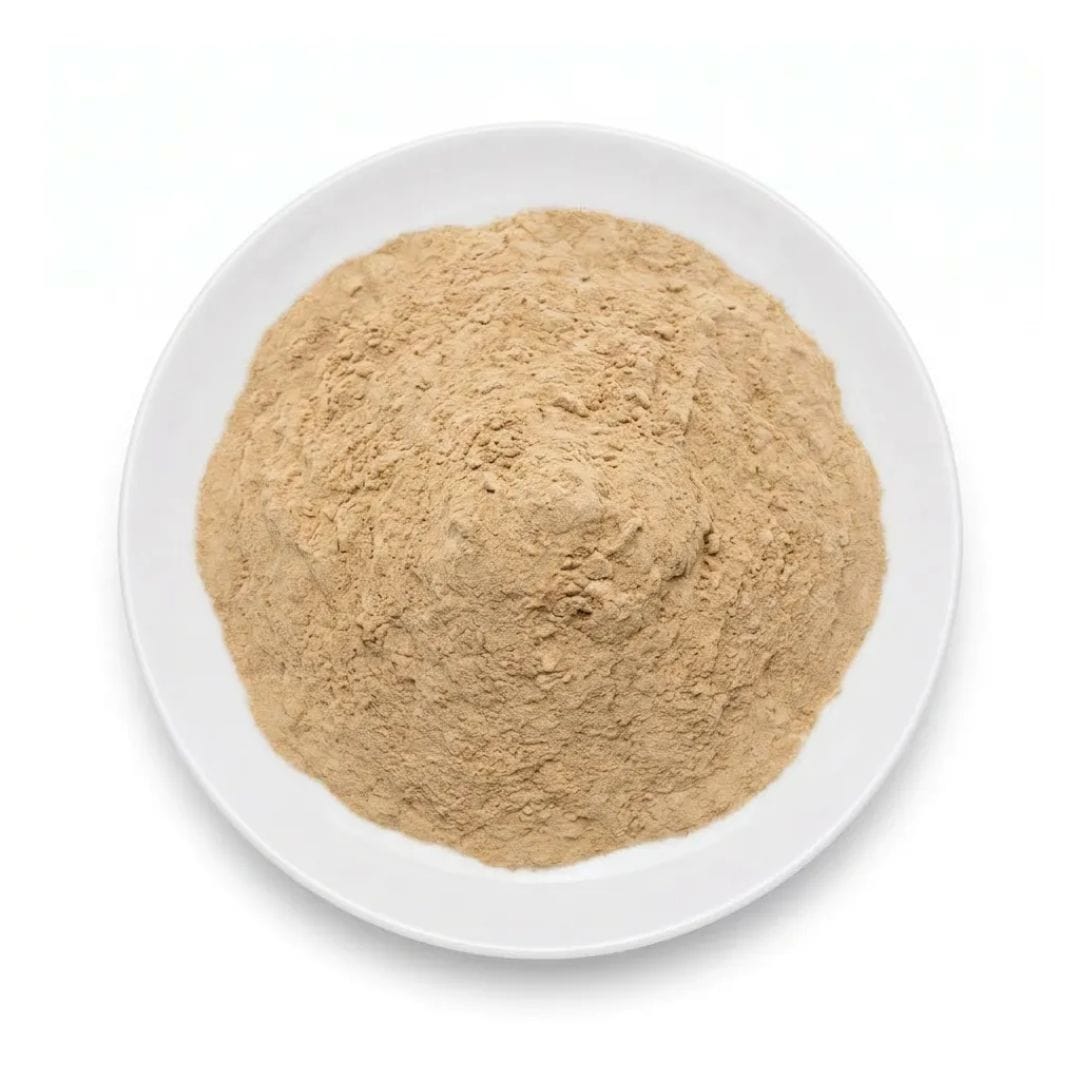
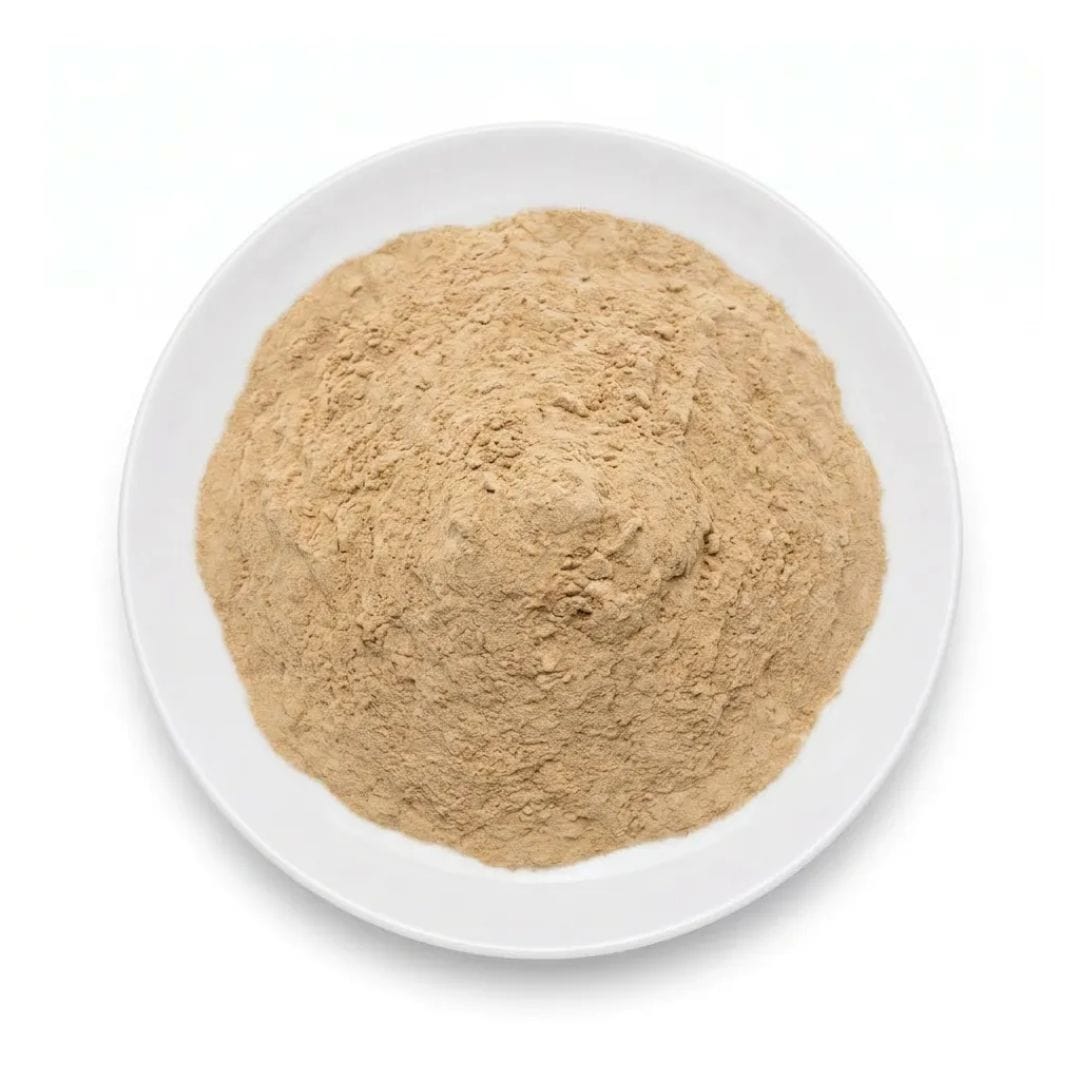
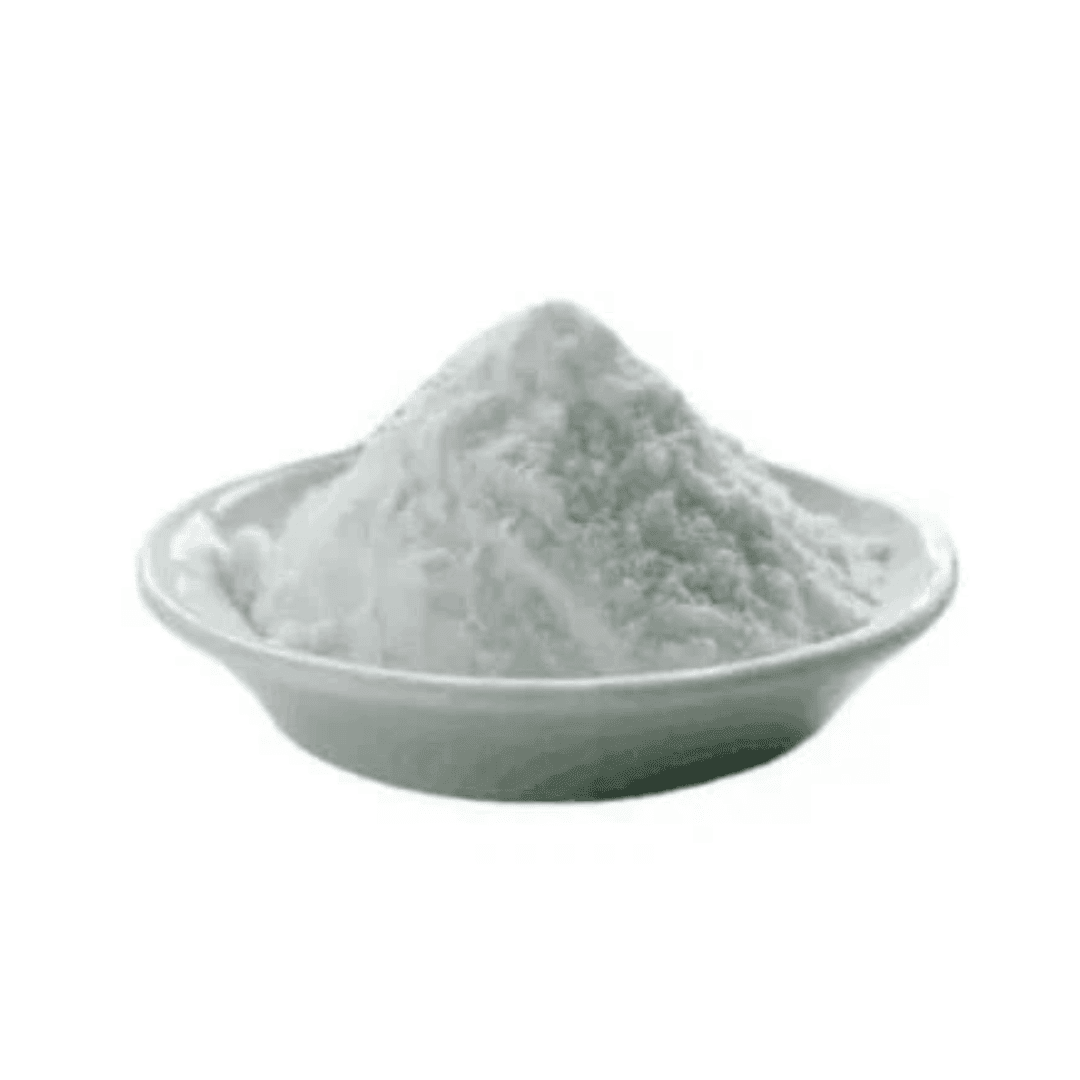
| Appearance | White powder |
| Odor | Characteristic |
| Particle Size | 100% passes 80 mesh |
| Extract Solvents | Water & Alcohol |
| Physical Characteristics | |
| Loss on Drying (5h at 105℃) | ≤5% |
| Density | 35–65 g/100ml |
| Heavy Metals | ≤10 ppm |
| Arsenic (As) | ≤2 ppm |
| Lead (Pb) | ≤2 ppm |
| Mercury (Hg) | ≤1 ppm |
| Cadmium (Cd) | ≤1 ppm |
| Residual Solvents | ≤0.05% |
| Microbiological Tests | |
| Total Plate Count | ≤1000 cfu/g |
| Yeast & Mold | ≤100 cfu/g |
| E. Coli | Negative |
SALICIN BENEFITS
Pain Relief
Salicin, isolated from willow bark in 1829, is a potent natural analgesic. Research indicates that additional compounds in willow bark, including polyphenols and flavonoids, enhance its anti-inflammatory, fever-reducing, and immune-supporting properties. Studies suggest it may relieve pain effectively at lower doses than aspirin.
Arthritis Support
Salicin inhibits cyclooxygenase, an enzyme responsible for producing inflammatory prostaglandins. By reducing joint inflammation and nerve-related prostaglandin synthesis, it may help ease arthritis symptoms and slow disease progression.
Heart Health
Similar to aspirin, salicin may reduce blood clot formation, potentially lowering the risk of heart attacks and strokes. Its mild blood-thinning properties align with the cardiovascular benefits associated with low-dose aspirin regimens.
Menstrual Cramp Relief
By regulating prostaglandin production, salicin can alleviate uterine contractions and inflammation linked to menstrual pain. Note that increased blood flow may occur as a secondary effect.
Skin Benefits
Salicin promotes skin health by enhancing circulation and delivering nutrients to skin cells, potentially reducing visible signs of aging like wrinkles and discoloration.