Introduction to Lily Bulb Extract
Lily Bulb Extract is derived from the dried, fleshy, scaly leaves of Lilium lancifolium Thunb., Lilium brownii F.E. Brown var. viridulum Baker, or Lilium pumilum DC. It is a traditional botanical ingredient with a long history of use in China as both food and medicine, and it continues to attract attention from manufacturers and formulators seeking natural plant-based raw materials with strong functional positioning.
In culinary use, fresh lily bulbs are commonly prepared in soups or stir-fries. For medicinal and extract production purposes, the bulb scales are carefully separated, briefly boiled for 3–7 minutes, and then dried in the sun or by controlled oven drying. This processing method helps prepare a stable herbal raw material suitable for further extraction and standardization.
Lily bulbs were recorded in the ancient Shennong Bencao Jing as a sweet and balanced herb. In Traditional Chinese Medicine, Lily Bulb Extract is described as sweet in taste and slightly cold in nature, entering the heart and lung meridians. It is traditionally used to nourish yin, moisten the lungs, clear heart heat, and calm the spirit. These classical functions have made it a well-recognized botanical ingredient in formulas intended for chronic cough associated with yin deficiency, blood in sputum, restlessness, irritability, palpitations, excessive dreaming, insomnia, and a scattered mind.
Basic Information of Lily Bulb Extract
Product Name: Lily Bulb Extract
Latin Name: Bulbus Lilii
Place of Origin: Hunan, Zhejiang
Part Used: Dried succulent scaly leaves
Extraction Type: Solvent Extraction
Active Ingredients: Polysaccharides
Synonyms: Wild lily, trumpet, mountain lily, medicine lily, home lily
Test Method: UV
Specification: Polysaccharides 30%, 50%
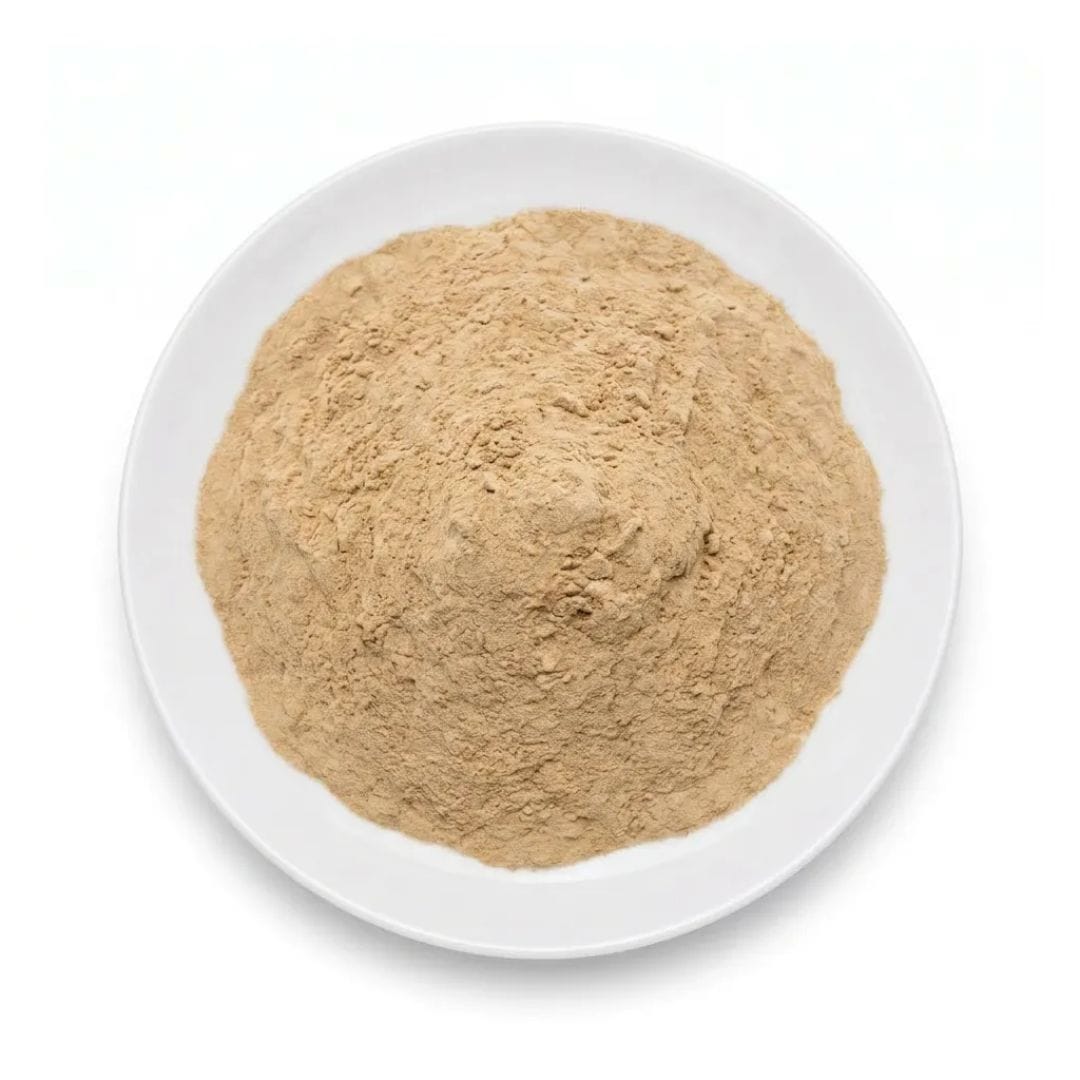
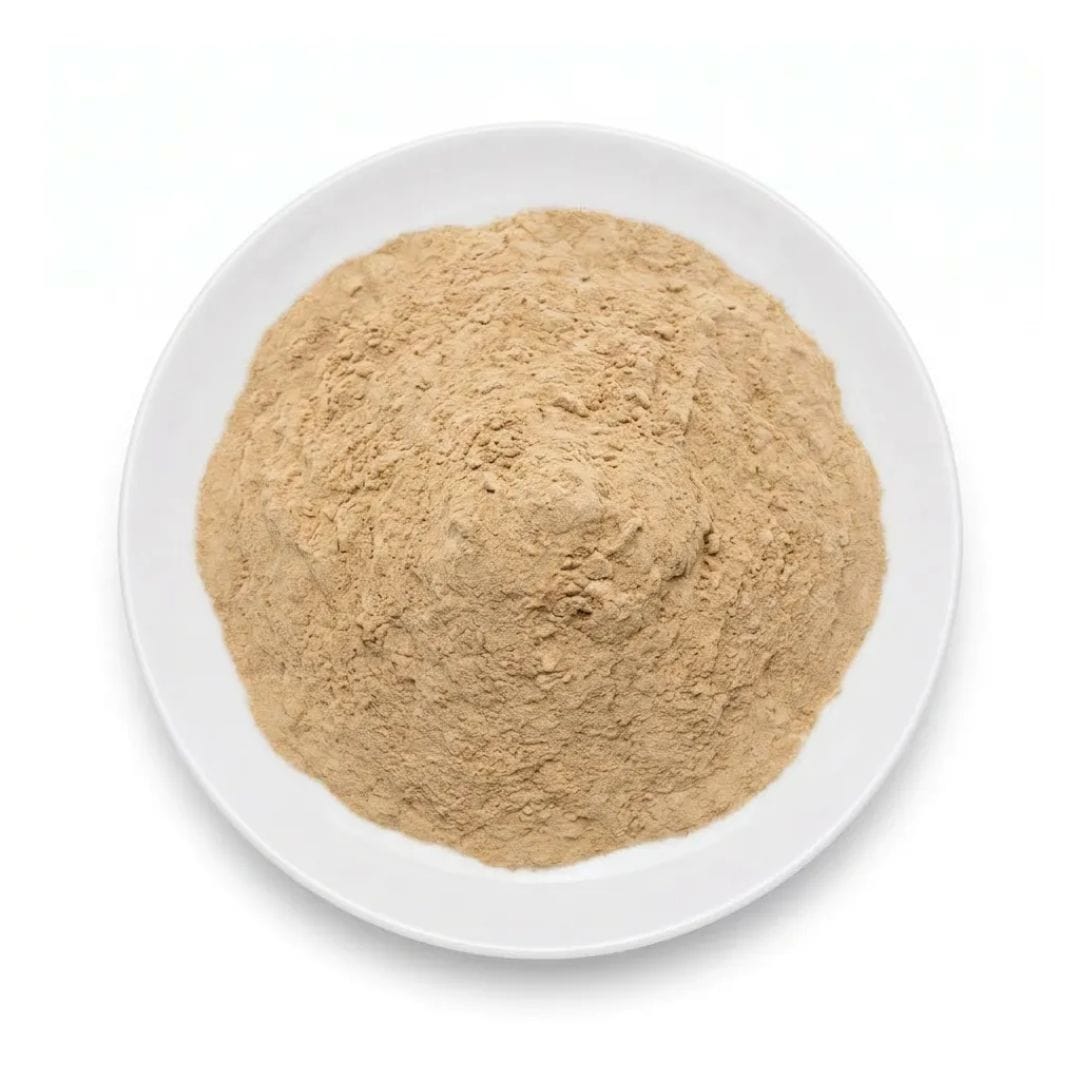
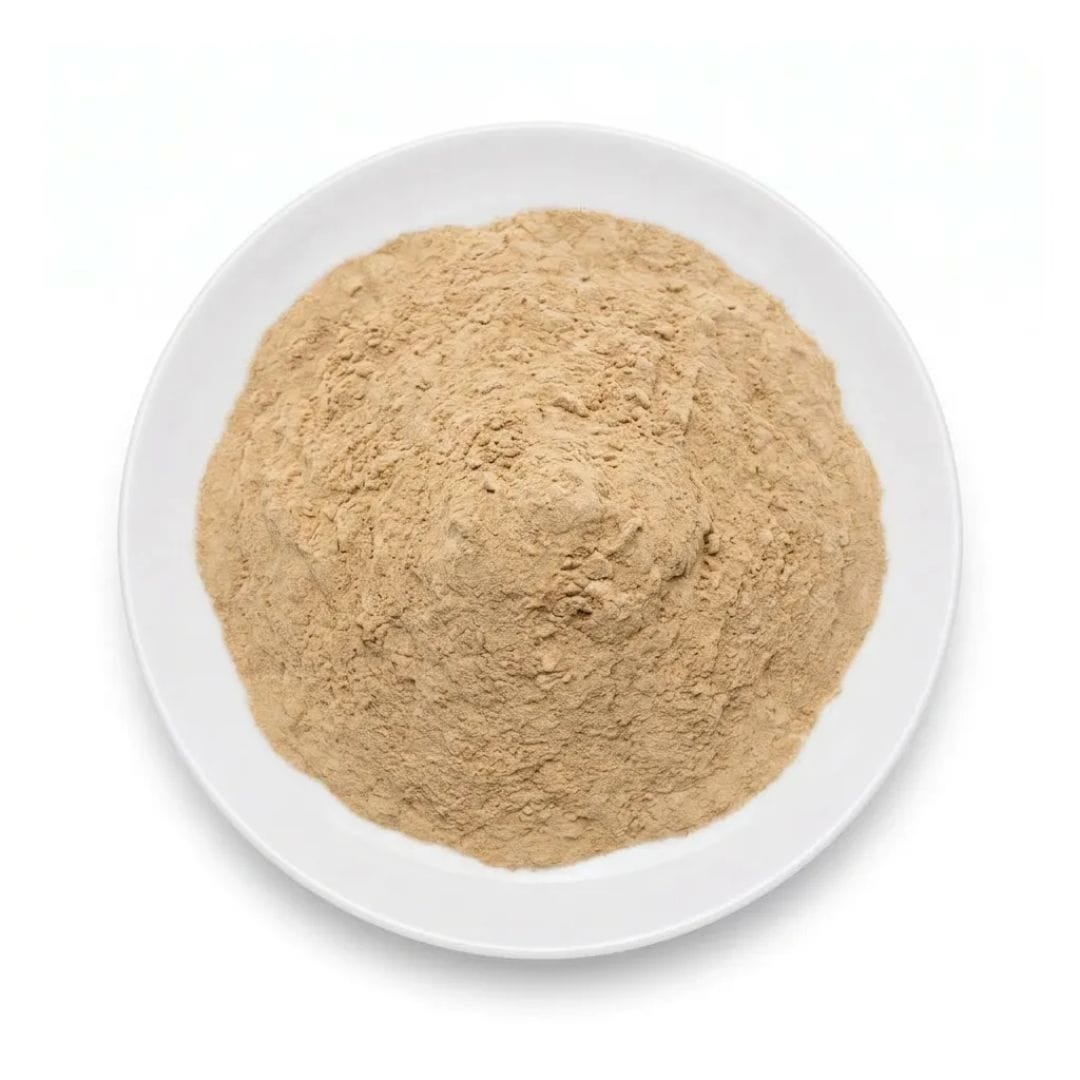
Appearance: Brown yellow fine powder
Product Overview
Lily Bulb Extract is typically supplied as a brown-yellow fine powder with standardized polysaccharide content. As a plant extract ingredient, it is widely selected by dietary supplement brands, herbal formula developers, functional food manufacturers, and wholesalers looking for a natural botanical material with both traditional heritage and modern formulation potential.
The extract is valued not only for its historical medicinal relevance, but also for its versatility in product development. Its standardized polysaccharide profile makes it suitable for use in finished products where consistency, batch-to-batch reliability, and clean-label positioning are important.
Source and Processing
The quality of Lily Bulb Extract begins with the sourcing of mature lily bulbs from suitable cultivation regions such as Hunan and Zhejiang. After harvest, the bulbs are cleaned, processed, and dried according to the required raw material preparation method. The dried bulb scales are then extracted using solvent extraction technology, followed by concentration, purification, and drying into powder form.
This controlled production route supports better ingredient uniformity and helps maintain the integrity of the botanical material. For B2B buyers, such standardized processing is important because it supports formulation stability, traceable sourcing, and repeatable performance in industrial applications.
Functional Positioning
Traditional Functional Use
According to traditional herbal theory, Lily Bulb Extract is used to:
- Nourish yin and moisten the lungs
- Calm the mind and ease restlessness
- Support comfort in the throat and respiratory tract
- Help manage symptoms associated with deficiency patterns in traditional formulations
- Assist with heart heat clearing and emotional calmness
These traditional applications have contributed to the ingredient’s long-standing use in botanical formulas designed for wellness, balance, and respiratory support.
Ingredient Characteristics
Lily Bulb Extract is commonly associated with:
- Natural plant-derived polysaccharides
- Fine powder form for easy handling in formulations
- Mild botanical profile suitable for blended products
- Good compatibility with herbal and nutritional systems
- Stable processing characteristics for industrial use
Potential Product Benefits
Lily Bulb Extract is commonly positioned in the following ways by manufacturers and formulators:
Botanical wellness support
It is often used in products focused on traditional herbal balance, comfort, and daily wellness.Respiratory-oriented formulations
The ingredient has a long history of use in formulas intended to support lung nourishment and moisture balance.Calming and relaxation concepts
It is frequently incorporated into products designed for rest, sleep, and emotional balance positioning.Skin and beauty formulations
Due to its nourishing and moisturizing traditional profile, it may also be used in beauty-from-within and skin wellness applications.Functional nutrition products
Its polysaccharide content makes it suitable for natural health product concepts where botanical polysaccharides are desired.
Applications of Lily Bulb Extract
Lily Bulb Extract is used in a wide range of industries, including:
Pharmaceutical Field
It can be used as a botanical ingredient in traditional formula development and herbal preparations.
Health Care Products Field
It is suitable for capsules, tablets, powders, granules, and blended supplement systems targeting wellness and botanical support.
Food and Beverage Field
It may be incorporated into functional foods, instant drink formulations, nutritional beverages, and herbal food products.
Cosmetic and Personal Care Field
In suitable formulations, lily-derived ingredients may also be used in beauty and personal care concepts centered on nourishment and skin comfort.
Why Choose Extracts China
Extracts China supplies Lily Bulb Extract with a strong focus on quality consistency, technical support, and customer-oriented service. For manufacturers, distributors, and private label brands, the main advantages include:
- Experienced technical support team
- Standardized polysaccharide specifications, including 50% options
- Customized blending formula support
- Capsule filling support
- Fast shipment from USA warehouse
- HALAL, KOSHER, and ISO documentation support
These capabilities help buyers reduce sourcing risk and improve formulation efficiency when developing herbal extracts, functional ingredients, and finished products.
Quality Standard
The product is manufactured to conform to QB standards. Quality control is an essential part of production, helping support ingredient consistency, specification compliance, and reliable supply for commercial customers.
Quality Control and Documentation
To support professional procurement and formulation needs, Lily Bulb Extract is typically supplied with product documentation such as a certificate of analysis and related quality records as required for commercial transactions. Standard testing is performed according to the stated method, and the product is managed under controlled production and release procedures.
Packaging and Storage
Packaging Options
- 25 kg/fiber drum, with double plastic bags inside
- 1 kg/bag, vacuum-packed in aluminum foil bags
- Custom packaging available upon request
Storage Conditions
Keep the product away from strong light and heat to help maintain stability during storage and handling.
Shelf Life
24 months for powder
Logistics and Supply
Lily Bulb Extract is suitable for domestic and international bulk supply. Packaging, warehousing, and logistics arrangements can be coordinated according to customer requirements, making it a practical option for importers, brand owners, manufacturers, and distributors seeking stable botanical ingredient procurement.
Payment Terms
Available payment terms may include:
- T/T
- Western Union
- Escrow/Trade Assurance of Alibaba
- L/C
- Open payment terms
Frequently Asked Questions
Can I get samples?
Yes, free samples can be provided. Shipping costs are paid by the customer.
How do I place an order or make payment?
A proforma invoice will be issued after order confirmation, along with bank information. Payment can be made by T/T, Western Union, or Escrow.
What is your MOQ?
The MOQ is 1 kg. Smaller quantities such as 100 g may also be accepted, provided the sample charge is paid in full.
What is the lead time?
Lead time is usually about 3–5 days after payment is confirmed, excluding Chinese holidays.
Is there a discount?
Yes, discounts vary depending on order quantity.
How do you handle quality complaints?
Quality control is designed to minimize quality issues. If a quality problem is confirmed to be caused by us, replacement goods or refund support will be provided accordingly.
Contact Information