WHAT IS BEETROOT ANTHOCYANIN?
Beetroot anthocyanin refers to the pigmented compounds found in some plant tissues. Anthocyanins are water-soluble vacuolar pigments that can display red, purple, blue or nearly black hues depending on the surrounding pH.
However, common table beet (Beta vulgaris) is known primarily for a different class of pigments called betalains rather than typical anthocyanins. Betalains are tyrosine-derived pigments that replace anthocyanin coloration in plants of the Caryophyllales order. Betalains include two main groups: betacyanins (red-violet pigments) and betaxanthins (yellow pigments). Betanin is the principal betacyanin in beetroot, accounting for over 75% of its red coloration.
BASIC INFORMATION
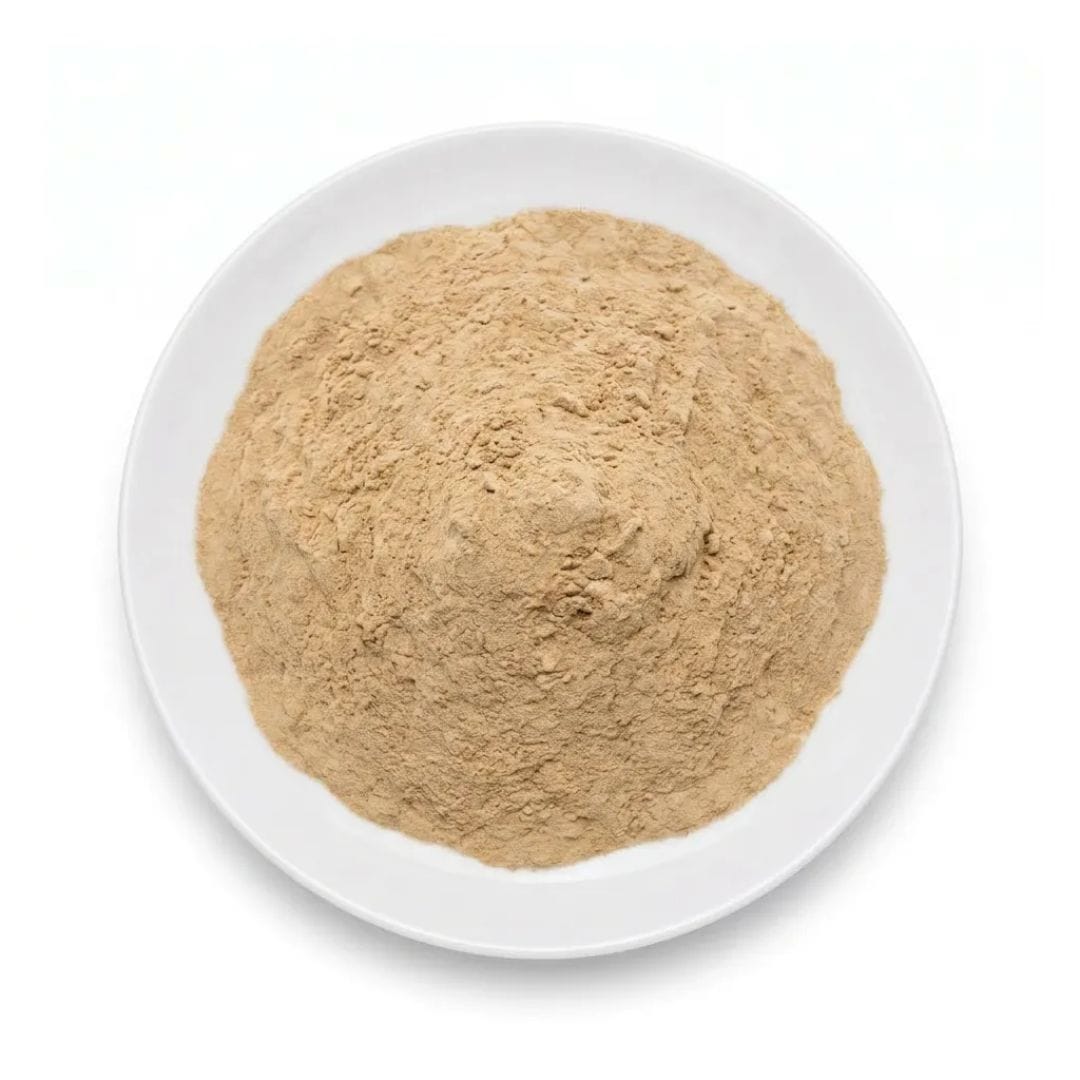
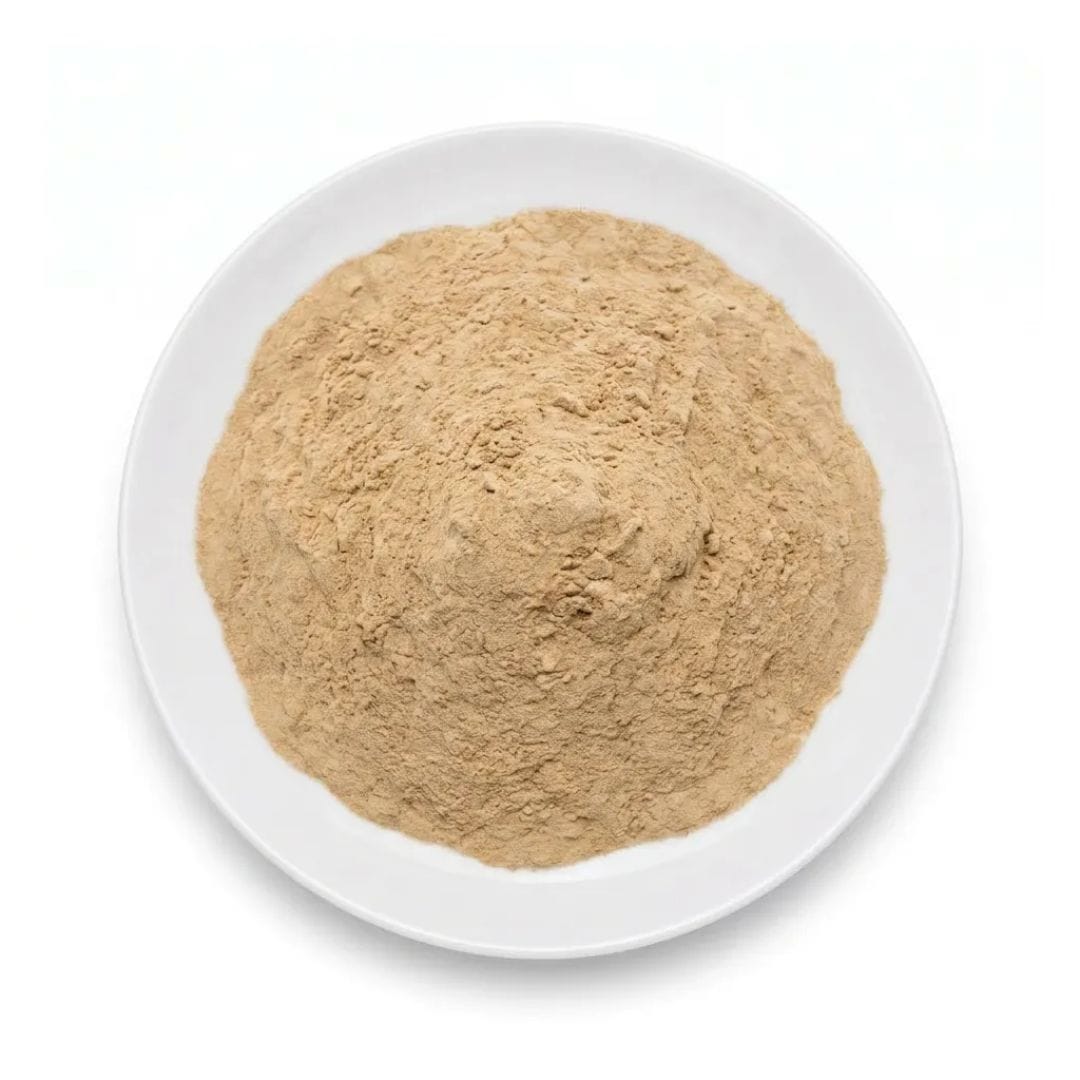
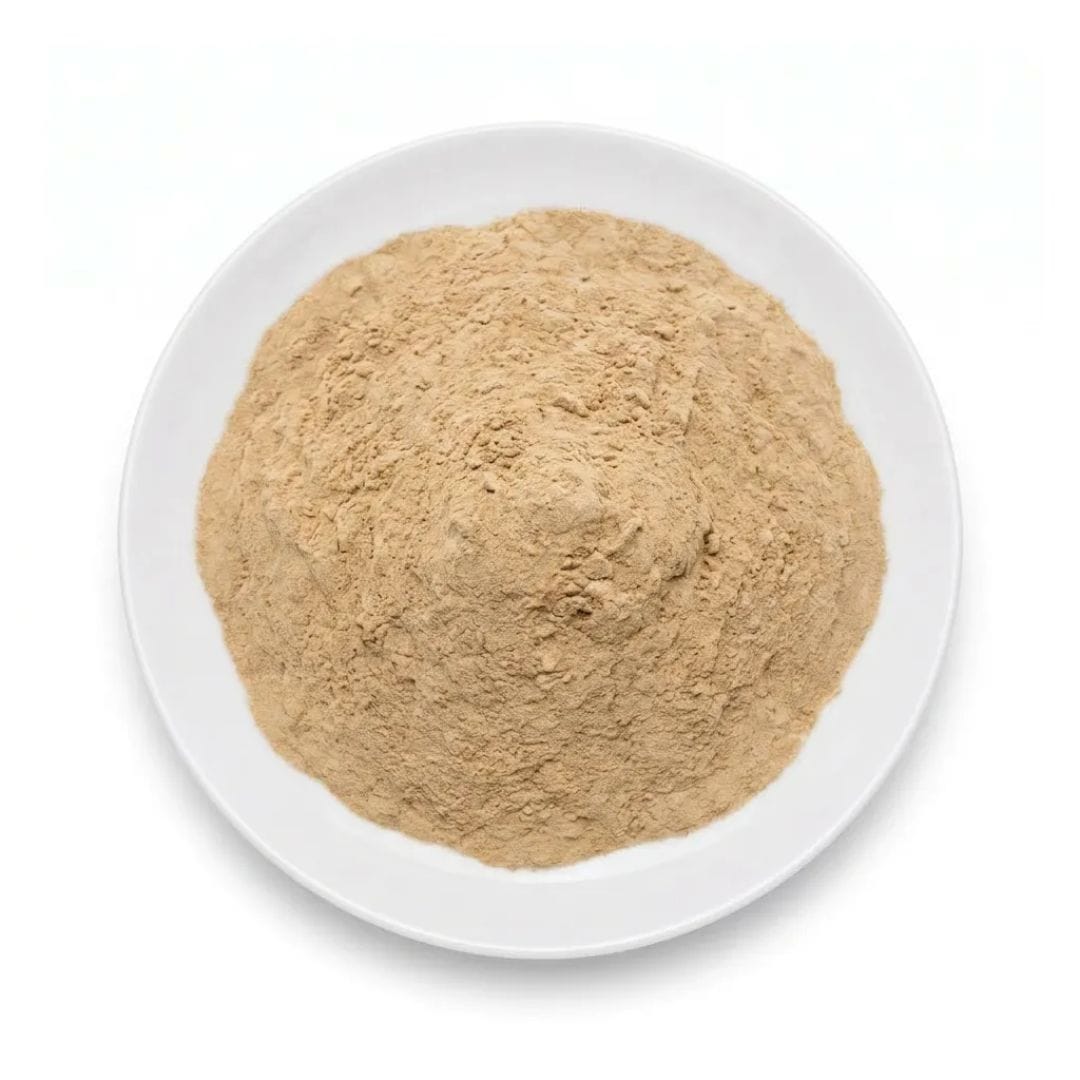
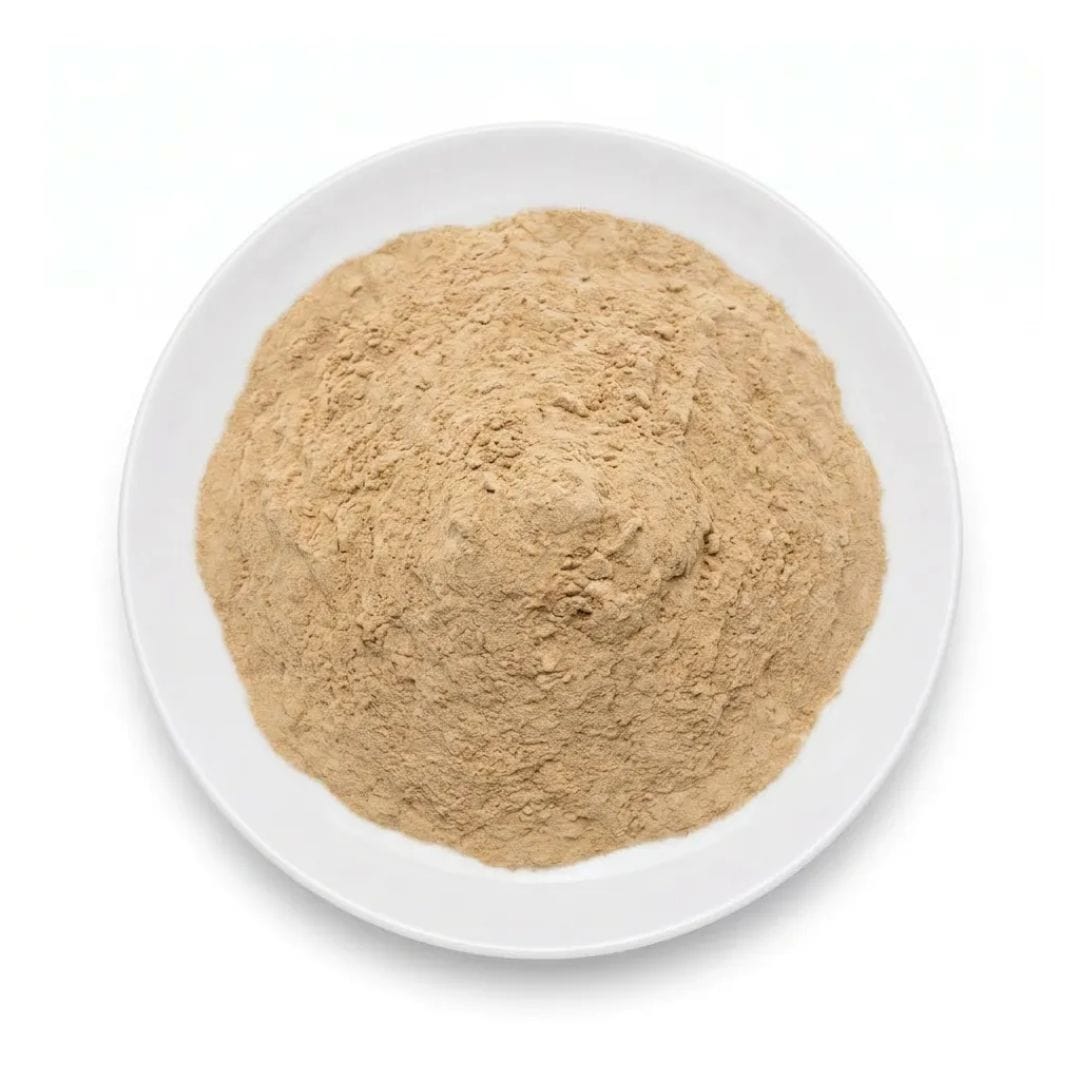
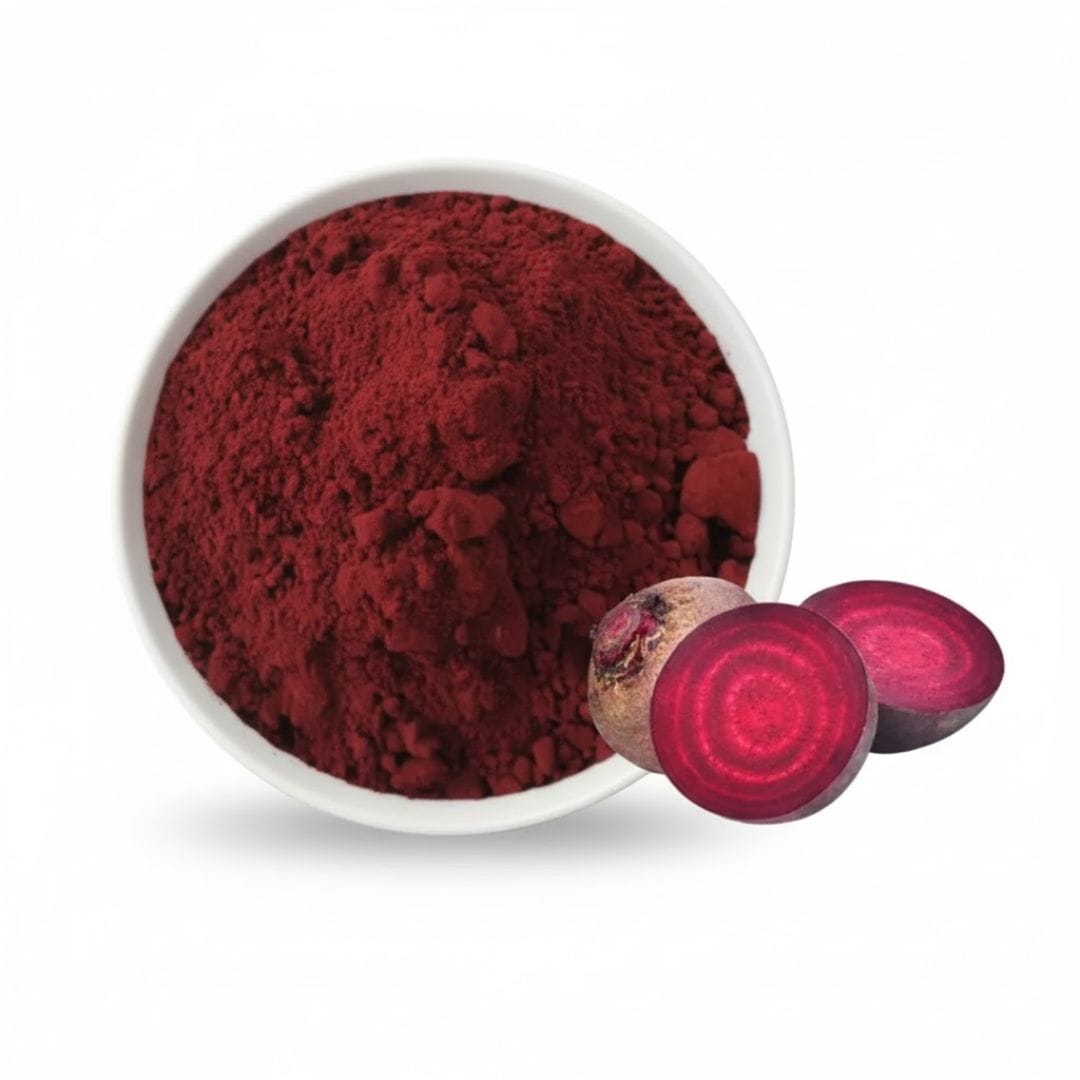
- Product name: Beet root powder (bulk)
- Raw material: Natural red beet root, sourced without pesticide residues
- Particle size: 50–80 mesh
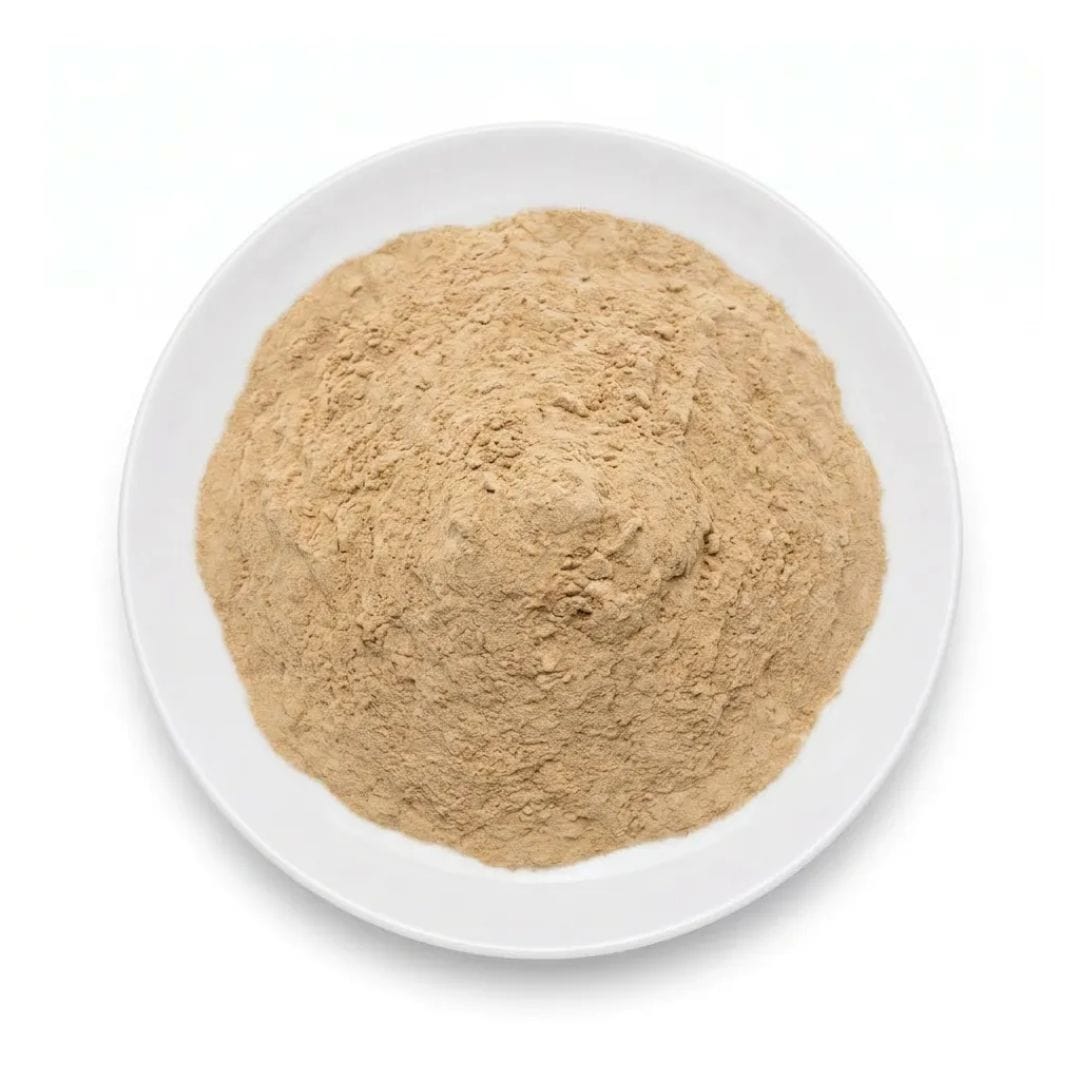
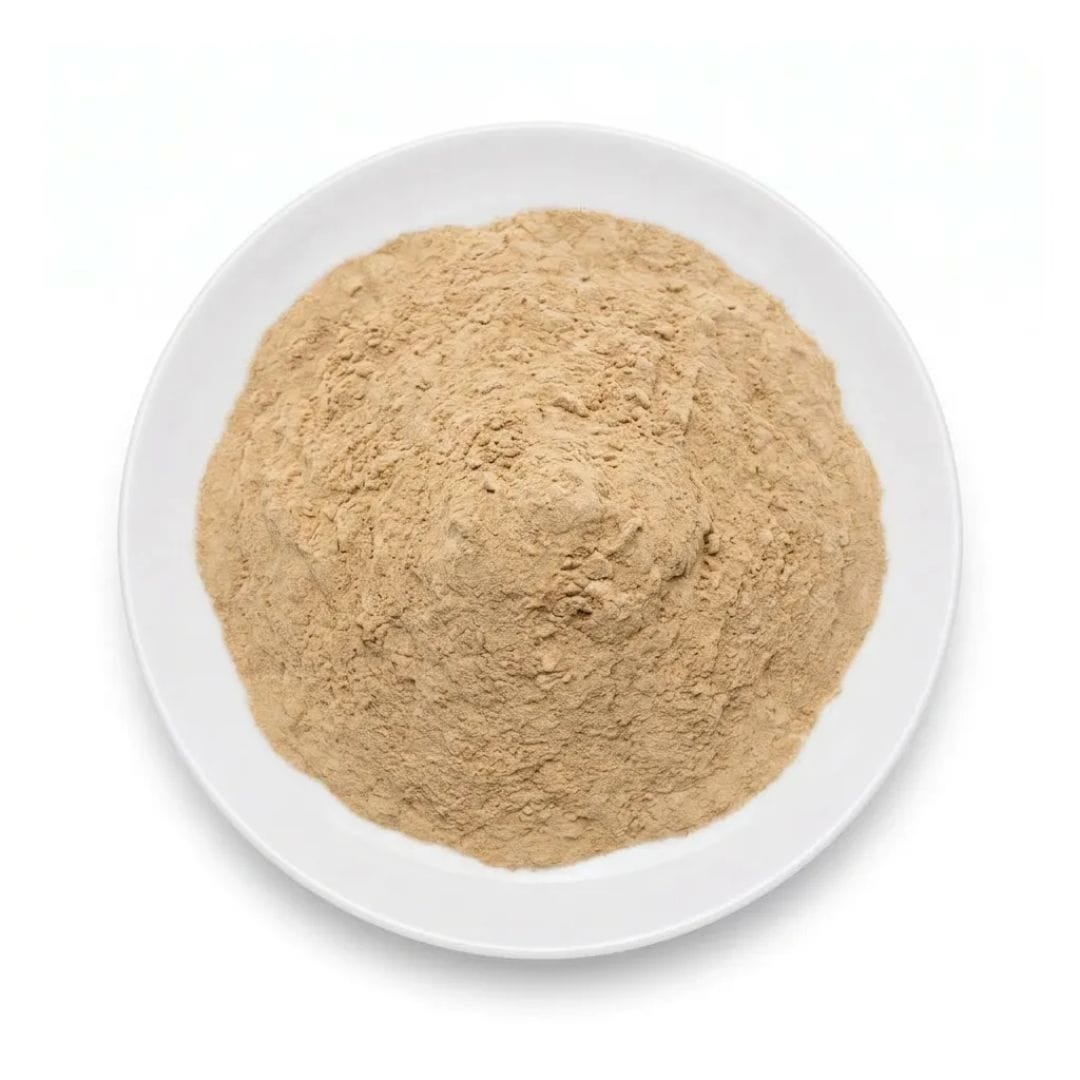
- Appearance: Red-purple to deep purple powder
- Plant part used: Root
Quality specifications
- Ash: ≤ 5%
- Moisture: ≤ 5%
- Arsenic (As): ≤ 2 ppm
- Lead (Pb): ≤ 2 ppm
Microbiological limits
- Total plate count: ≤ 1000 cfu/g
- Yeast & mold: ≤ 100 cfu/g
- E. coli: Negative
- Salmonella: Negative
- Staphylococcus: Negative
BENEFITS AND USES OF BEETROOT ANTHOCYANIN
Anthocyanins belong to the broader family of bioflavonoids and are typically consumed as part of complex mixtures of flavonoid compounds. Historically, beet and other anthocyanin-containing plants have been used in traditional remedies. Over the past two decades, a growing number of in vitro, in vivo and clinical studies have begun to identify specific, measurable pharmacological activities for isolated anthocyanin pigments.
Reported biological effects associated with anthocyanins and beetroot pigments include:
- Reduction of blood pressure
- Improvements in visual acuity and eye health
- Inhibition of tumor initiation and reduced proliferation of certain cancer cells
- Potential benefits for glucose metabolism and diabetes prevention
- Lowering the risk factors associated with cardiovascular disease
Much of the health-promoting activity attributed to these pigments is linked to their antioxidant and anti-inflammatory properties, though other mechanisms likely contribute. Synergistic interactions with other flavonoids and phytochemicals present in beetroot may also play a role in the observed effects.
There remain gaps in knowledge regarding the stability, bioavailability, metabolism and digestion of anthocyanins and associated flavonoids. It is not yet fully established how well the effects seen in vitro translate to real-world in vivo outcomes, and the precise modes of action require further clarification.
APPLICATIONS
- Food industry: used as a natural coloring and ingredient in food and beverage formulations
- Nutraceuticals: incorporated into dietary supplements and health products
- Pharmaceuticals: explored as active ingredients or adjuncts in various therapeutic preparations
For inquiries, please contact Extracts China: [email protected]
Hot tags: beetroot anthocyanin, beetroot pigment, anthocyanin beetroot, suppliers, manufacturers, factory, wholesale, buy, price, quotation, bulk, for sale