Echinacea Extract is a standardized botanical ingredient derived from selected parts of Echinacea purpurea (L.) Moench, and in some specifications may also refer to extracts prepared from the roots of Echinacea angustifolia DC. and Echinacea pallida (Nutt.) Nutt. These plants belong to the Asteraceae family and are widely recognized in the herbal ingredient industry for immune-support applications.
As a plant-based raw material for dietary supplements, functional foods, and personal care formulations, Echinacea Extract is valued for its characteristic phytochemical profile, including polyphenols, cichoric acid, flavonoids, and other bioactive compounds. It is commonly used by formulators and brand owners seeking a well-known botanical with strong consumer recognition and broad commercial appeal.
What Is Echinacea Extract Used For?
Echinacea Extract is widely used in formulations designed to support the body’s natural defense system, especially during seasonal challenges affecting the nose, throat, and upper respiratory tract. It is often incorporated into products positioned for:
- immune support
- seasonal wellness
- throat and respiratory comfort
- general botanical health formulations
- skin care and cosmetic applications
From a formulation perspective, Echinacea Extract is appreciated for its compatibility with capsules, tablets, granules, powders, and beverage blends, as well as selected topical products.
Botanical Source and Product Overview
Product Name: Echinacea Extract
Latin Name: Echinacea purpurea
Botanical Name: Echinacea purpurea
Part Used: Whole herb, stems, leaves, or roots depending on specification
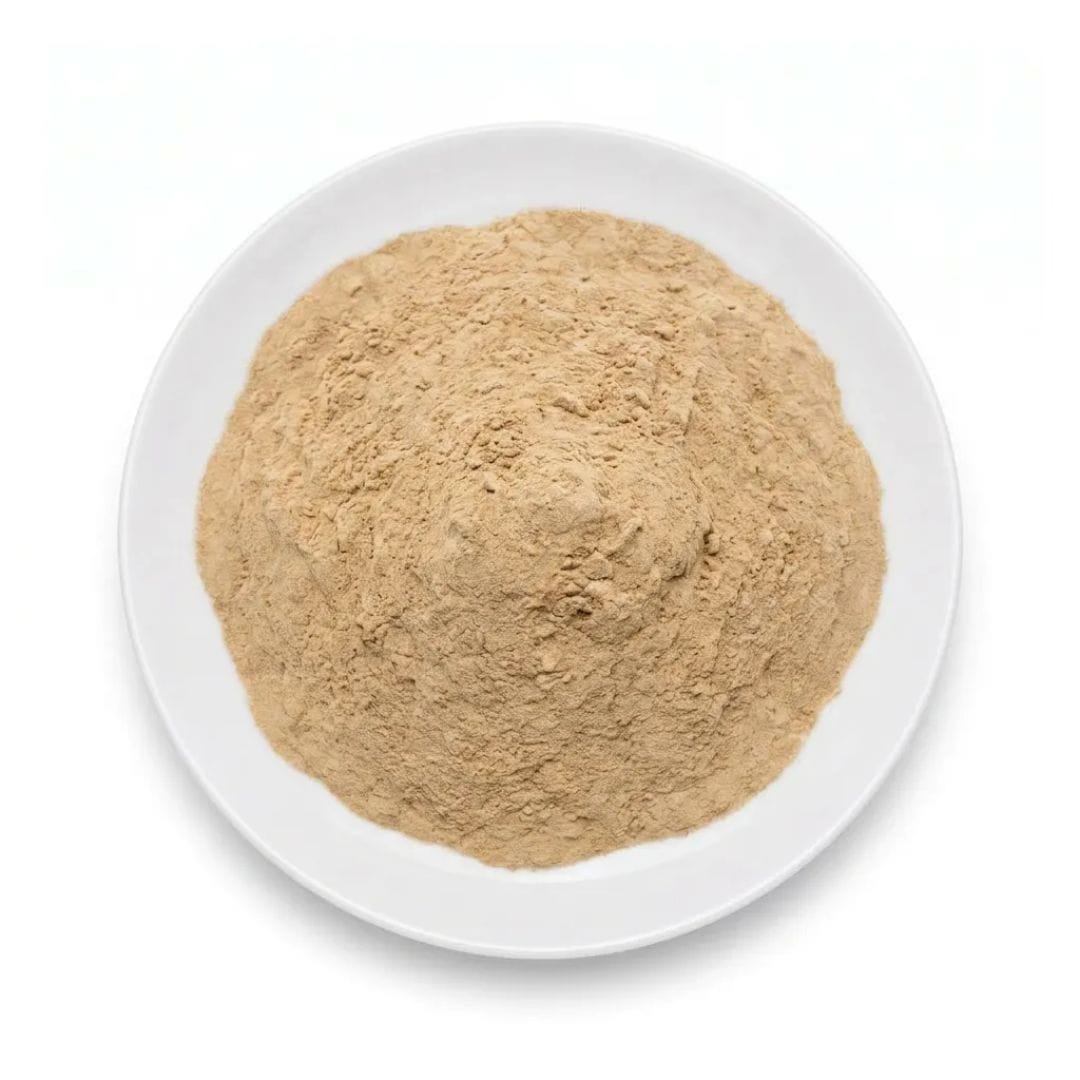
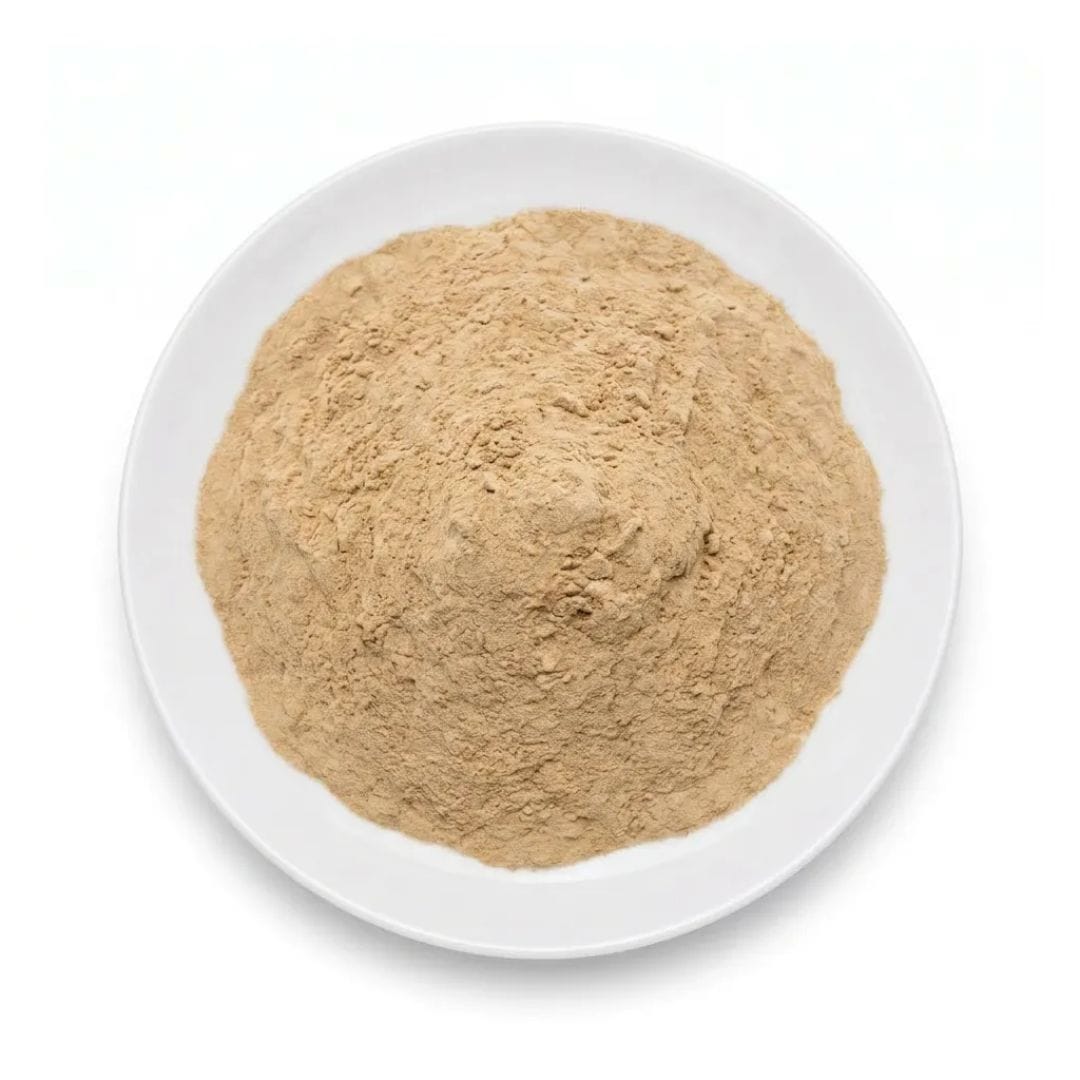
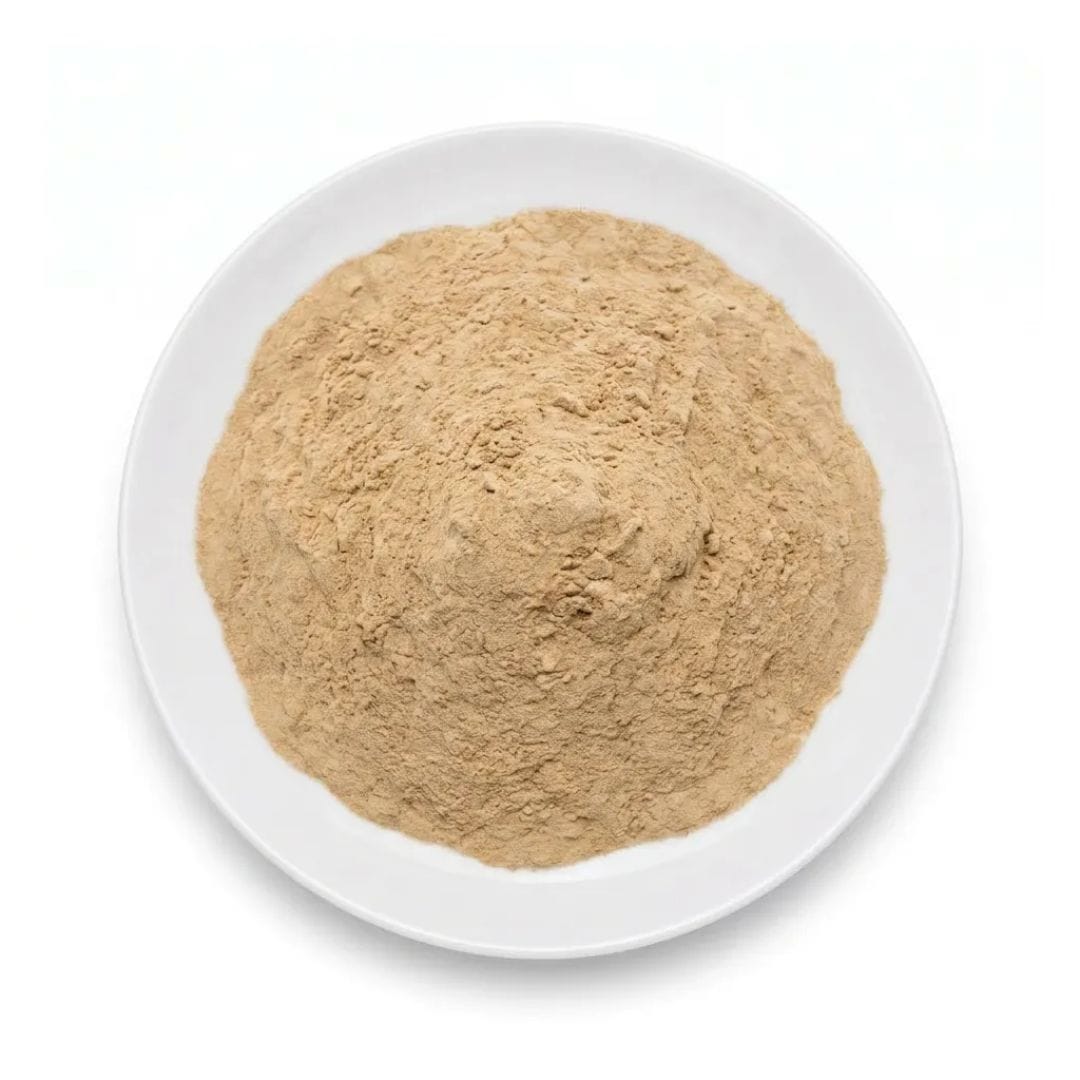
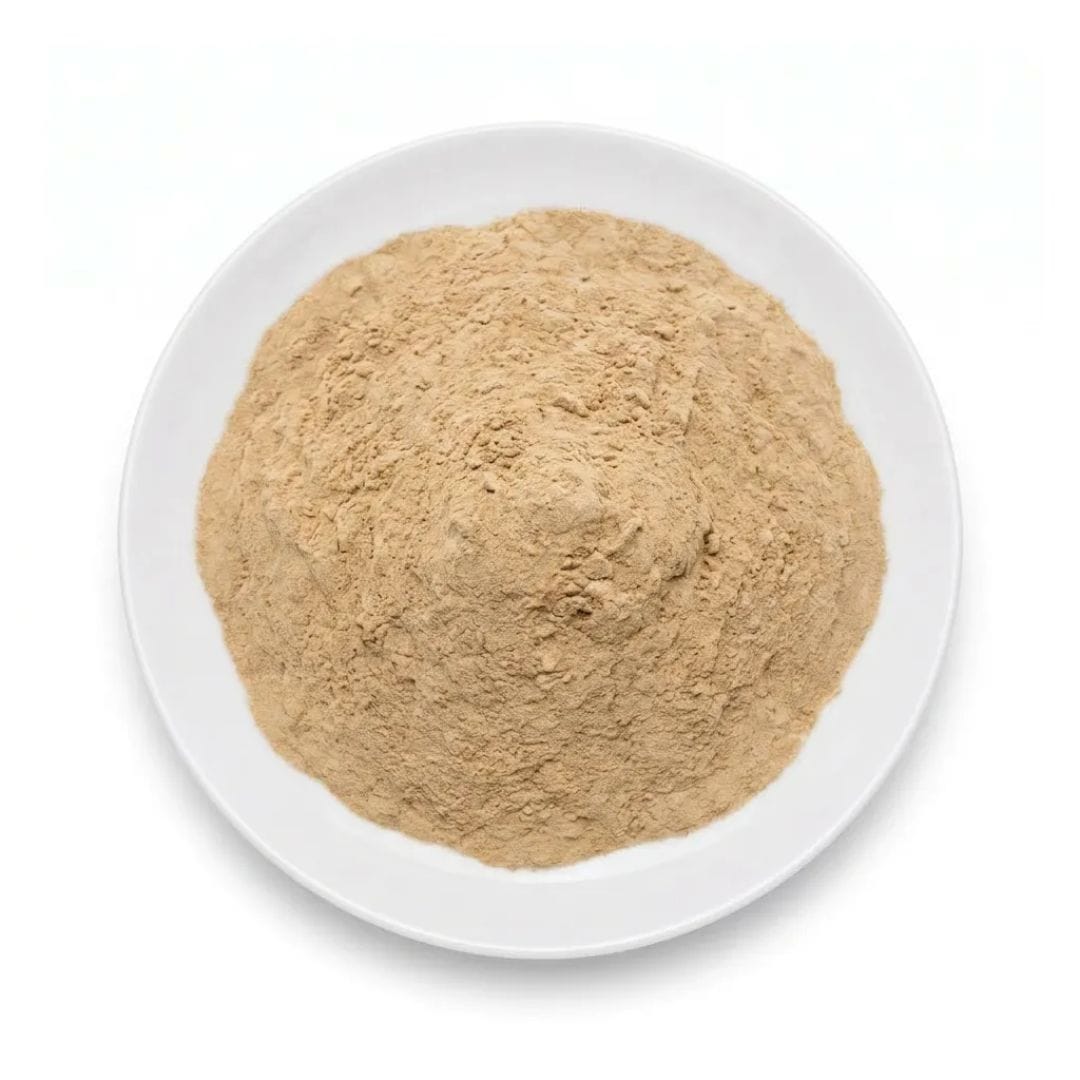
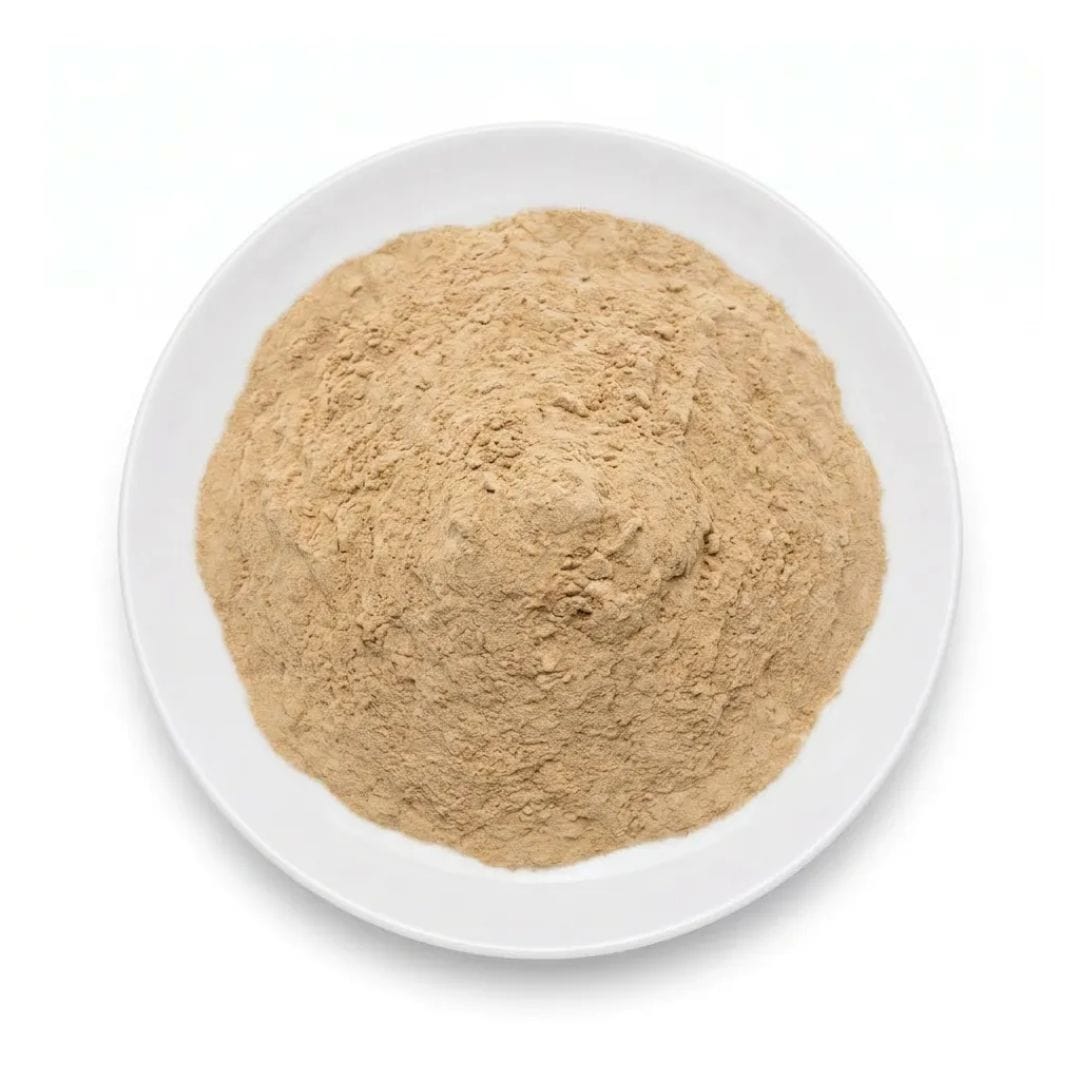
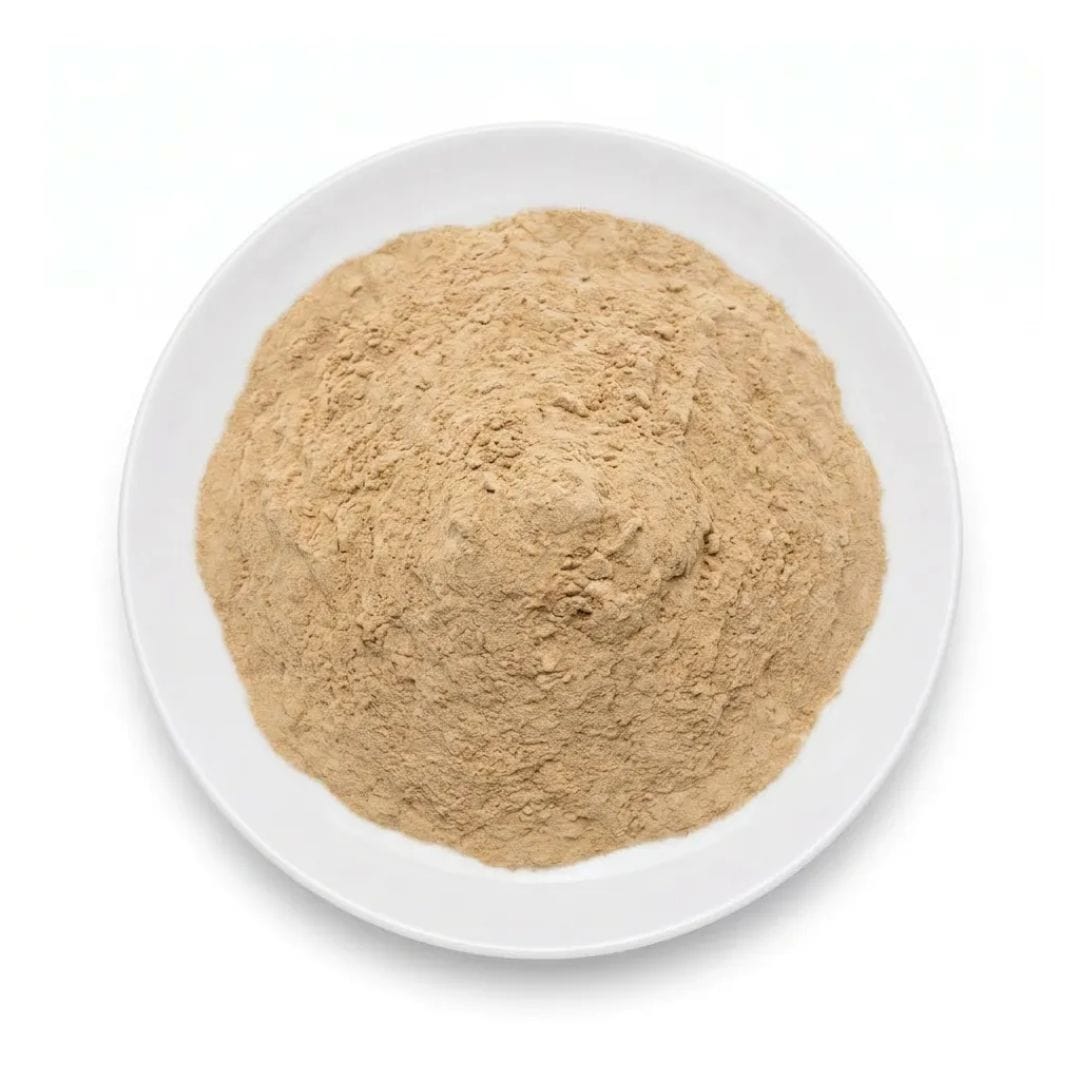
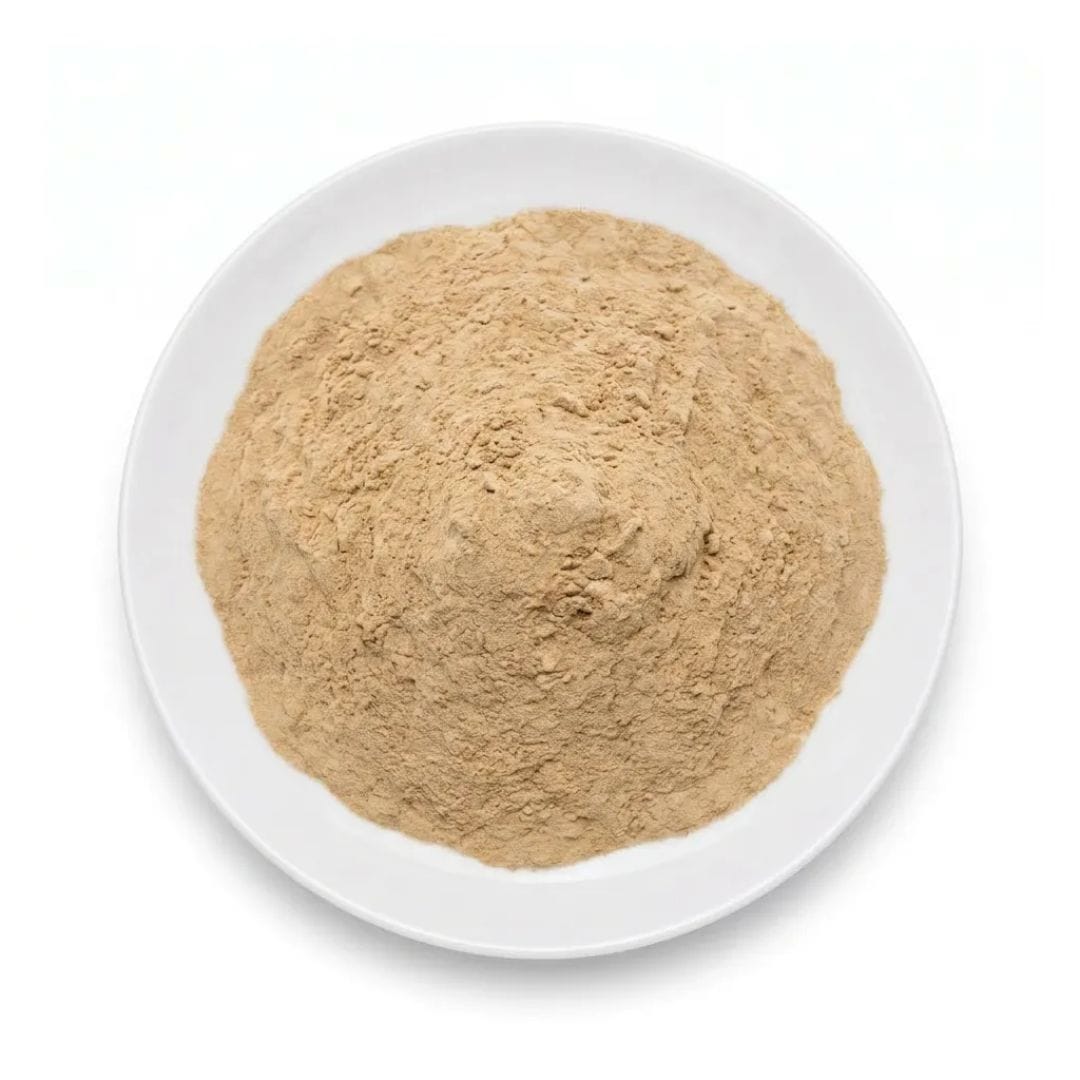
Appearance: Yellow brown fine powder
CAS No.: 90028-20-9
Molecular Formula: C22H18O12
Molecular Weight: 474.39
Echinacea Extract is produced through standardized extraction and purification processes to help ensure batch-to-batch consistency. Depending on the target specification, the extract may be standardized to 5:1, 10:1, polyphenols 4% UV, polyphenols 4% UV & cichoric acid 2% HPLC, cichoric acid 3% HPLC, or other agreed technical grades.
Technical Specifications
Specification:
- 5:1
- 10:1
- Polyphenols 4% UV
- Polyphenols 4% UV & Cichoric Acid 2% HPLC
- Cichoric Acid 3% HPLC
- Cichoric Acid: 1%, 2%, 4%
- Polyphenols: 4%, 7%
Packing: Packed in paper drums and two plastic bags inside, or as per customer request
Net Weight: 25 kg/drum
Storage: Store in a cool, dry, well-closed container; protect from moisture and strong light/heat
Quality and Analytical Profile
Quality control is a critical part of botanical ingredient sourcing. Echinacea Extract is typically evaluated through identity testing, assay control, physical screening, and microbiological limits to support product consistency and manufacturing reliability.
Specifications Sheet
Product Name: Echinacea Purpurea P.E.
Botanical Source: Echinacea Purpurea
Part Used: Stems, Leaves
Batch Quantity: 1000 kg
Storage: Cool and dry
Assay: By UV
Analytical Results
| Item | Specification | Results |
|---|---|---|
| Content | ≥4.0% | 4.16% |
| Appearance | Yellow green fine powder | Conforms |
| Odor | Characteristic | Conforms |
| Sieve Analysis | 100% pass 80 mesh | Conforms |
| Identification | TLC-Plant Drug Analysis | Conforms |
| Loss on drying | ≤5% | 3.42% |
| Sulphated Ash | ≤5% | 2.15% |
| Heavy Metals | <10 ppm | Conforms |
| Arsenic (As) | <2 ppm | Conforms |
| Residual Solvents | <0.05% | Conforms |
Microbiological Control
- Total Plate Count: <1000 cfu/g — Conforms
- Total Yeast & Mold: <100 cfu/g — Conforms
- Salmonella: Negative — Conforms
- E. Coli: Negative — Conforms
These specifications make Echinacea Extract suitable for manufacturers that require stable raw materials with controlled quality parameters and reliable process compatibility.
Functional Properties of Echinacea Extract
Echinacea Extract is one of the most recognized immune-support botanicals in the nutraceutical market. Its functionality is associated with the presence of natural plant constituents such as cichoric acid, flavonoids, rosmarinic acid, caffeic acid, and alkamides.
1. Immune Support
Echinacea Extract is commonly used in formulations intended to support immune health. Research has suggested that echinacea may influence immune activity, including the function of white blood cells that help the body respond to external challenges. For this reason, it is frequently positioned in seasonal wellness products and immune-focused supplement formulas.
2. Antioxidant Contribution
The polyphenol-rich composition of Echinacea Extract may help contribute antioxidant activity. Botanical antioxidants are often incorporated into modern formulations to support overall wellness and help address oxidative stress in daily health routines.
3. Respiratory and Seasonal Wellness Applications
Echinacea Extract is often included in products aimed at supporting comfort during seasonal changes, particularly for nose and throat wellness. This makes it a familiar ingredient in herbal lozenges, syrups, capsules, and immune blends.
4. Skin Care and Cosmetic Interest
In topical applications, Echinacea Extract is valued for its botanical profile and is often used in formulas designed for skin care and general cosmetic support. It is sometimes selected for products positioned around skin balance and purification.
5. Formulation Flexibility
Because it is available in multiple ratios and assay grades, Echinacea Extract offers flexibility for product developers. This helps manufacturers select the most appropriate grade based on target dosage, label claim, and end-product positioning.
Industry Applications
Echinacea Extract has broad use across multiple sectors:
Pharmaceutical and Nutraceutical Applications
Used in products designed to support immune function, seasonal wellness, and general health maintenance. It is commonly incorporated into tablets, capsules, soft powders, and herbal blends.
Dietary Supplement Formulations
A popular botanical ingredient in immune support supplements, wellness complexes, and daily health products targeted at adult consumers.
Functional Food and Beverage Applications
May be used in herbal beverages, instant drink mixes, and fortified food systems where botanical ingredients are desired for health-oriented positioning.
Cosmetics and Personal Care
Used in skin care products and other topical formulas where botanical extracts are selected for their natural-origin profile and consumer-friendly image.
Bulk Raw Material Supply
Suitable for manufacturers, importers, distributors, and private label brands sourcing standardized plant extracts for international markets.
Why Buyers Choose Echinacea Extract
For B2B buyers, the value of Echinacea Extract goes beyond brand recognition. Key sourcing advantages include:
- consistent standardized specifications
- recognizable botanical positioning
- multiple assay options for formulation flexibility
- controlled moisture and ash levels
- microbiological quality monitoring
- suitability for diverse dosage forms
- strong market acceptance in immune-support categories
For formulators, this means easier product development and more predictable manufacturing performance. For distributors and brand owners, it supports efficient market positioning in competitive wellness categories.
Handling and Storage
To maintain product quality, Echinacea Extract should be stored in a cool, dry, and tightly closed container. Exposure to moisture, strong light, and heat should be avoided to help preserve physical stability and product integrity during storage and transport.
Packaging Options
Standard packaging is 25 kg per drum, packed in paper drums with two plastic bags inside. Custom packaging can be arranged according to customer requirements, making it suitable for different logistics and production needs.
Commercial Supply Considerations
When sourcing Echinacea Extract, buyers typically evaluate:
- botanical source and part used
- assay level and marker compound
- extraction ratio
- particle size and powder appearance
- microbiological limits
- residual solvent profile
- packaging format
- consistency across batches
- supplier responsiveness and documentation support
For manufacturers developing immune support supplements or botanical blends, these details are essential for stable formulation, reliable labeling, and streamlined procurement.