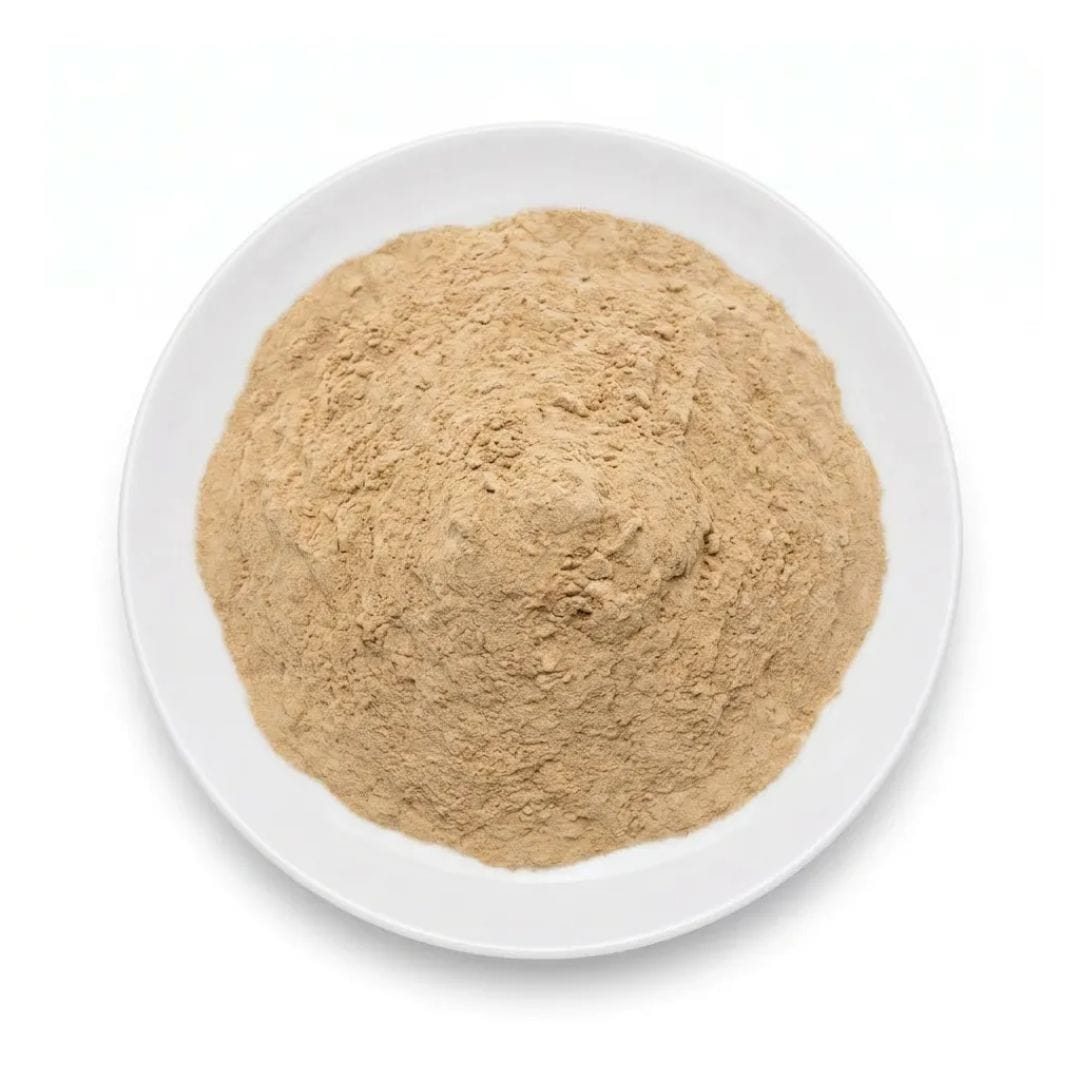
Poria Cocos Extract is a widely used botanical ingredient derived from the dried sclerotia of Poria cocos (Schw.) Wolf, a traditional medicinal fungus valued in both herbal medicine and modern formulation development. Also known as Tuckahoe Extract, Hoelen Extract, or Fu Ling Extract, this ingredient is recognized for its functional polysaccharides and triterpenoid compounds, which make it relevant for dietary supplements, nutraceuticals, cosmetics, and selected food applications.
As a professional plant extract supplier, Extracts China focuses on delivering Poria Cocos Extract with consistent quality, reliable supply, and production traceability suitable for B2B buyers, formulators, distributors, and private label brands.
What Is Poria Cocos Extract?
Poria cocos is a fungus that forms a large, dense sclerotium used as the medicinal part of the plant. In traditional usage, it has been valued for supporting digestion, fluid balance, and general well-being. The extract is produced from the sclerotium rather than the fruiting body, which is why it is commonly described as a mushroom-derived or fungus-derived herbal extract.
The raw material is typically spherical, oblate, or irregular in shape and may weigh from 2 to 10 kilograms. The outer surface is dark brown to tan, rough in texture, and often wrinkled. The inner portion is generally white to light brown, fine-textured, and may contain visible cracks or embedded root-like fibers. These natural characteristics help distinguish authentic Poria raw material before extraction.
Botanical Source and Origin
Poria Cocos Extract is obtained from Poria cocos Wolff, a fungus traditionally used in Chinese herbal systems. The medicinal material is commonly collected from cultivated or wild-sourced sclerotia in selected regions of China, including Yunnan, Anhui, Hubei, Sichuan, Hebei, Henan, Shandong, and Zhejiang.
Harvesting generally occurs in mid-summer, autumn, and winter depending on growing conditions and raw material maturity. Careful selection of mature sclerotia is important because raw material quality directly influences extract consistency, color, purity, and active compound yield.
Main Active Constituents
The principal bioactive components in Poria Cocos Extract are:
- Polysaccharides
- Triterpenes
These compounds are the main reason the ingredient is used in functional nutrition, wellness products, and cosmetic formulations. Polysaccharides are especially important for applications focused on hydration, skin care support, and formulation functionality, while triterpenes are often associated with broader botanical activity profiles.
Product Information
Product Name: Poria Cocos Extract, Tuckahoe Extract
Latin Name: Poria cocos Wolff
Place of Origin: Yunnan, Anhui, Hubei, Sichuan
Harvest Season: Mid-summer, autumn, winter
Part Used: Whole herb
Extraction Type: Solvent Extraction
Active Ingredients: Polysaccharides
CAS No.: /
Molecular Formula: /
Formula Weight: /
Synonyms: pachyma cocos, fuling, Poris cocos
Test Method: UV
Production and Extraction Process
Poria Cocos Extract is produced through solvent extraction and subsequent purification and concentration steps designed to retain the target phytochemicals while improving usability in finished formulations. In commercial manufacturing, process control is essential to achieve stable color, consistent assay results, and low variability from batch to batch.
A typical production flow may include raw material selection, cleaning, drying, extraction, filtration, concentration, and powder preparation. For B2B buyers, this processing approach offers better standardization than crude herb material and makes the ingredient easier to use in capsules, tablets, powders, beverages, and topical formulations.
Physical and Functional Characteristics
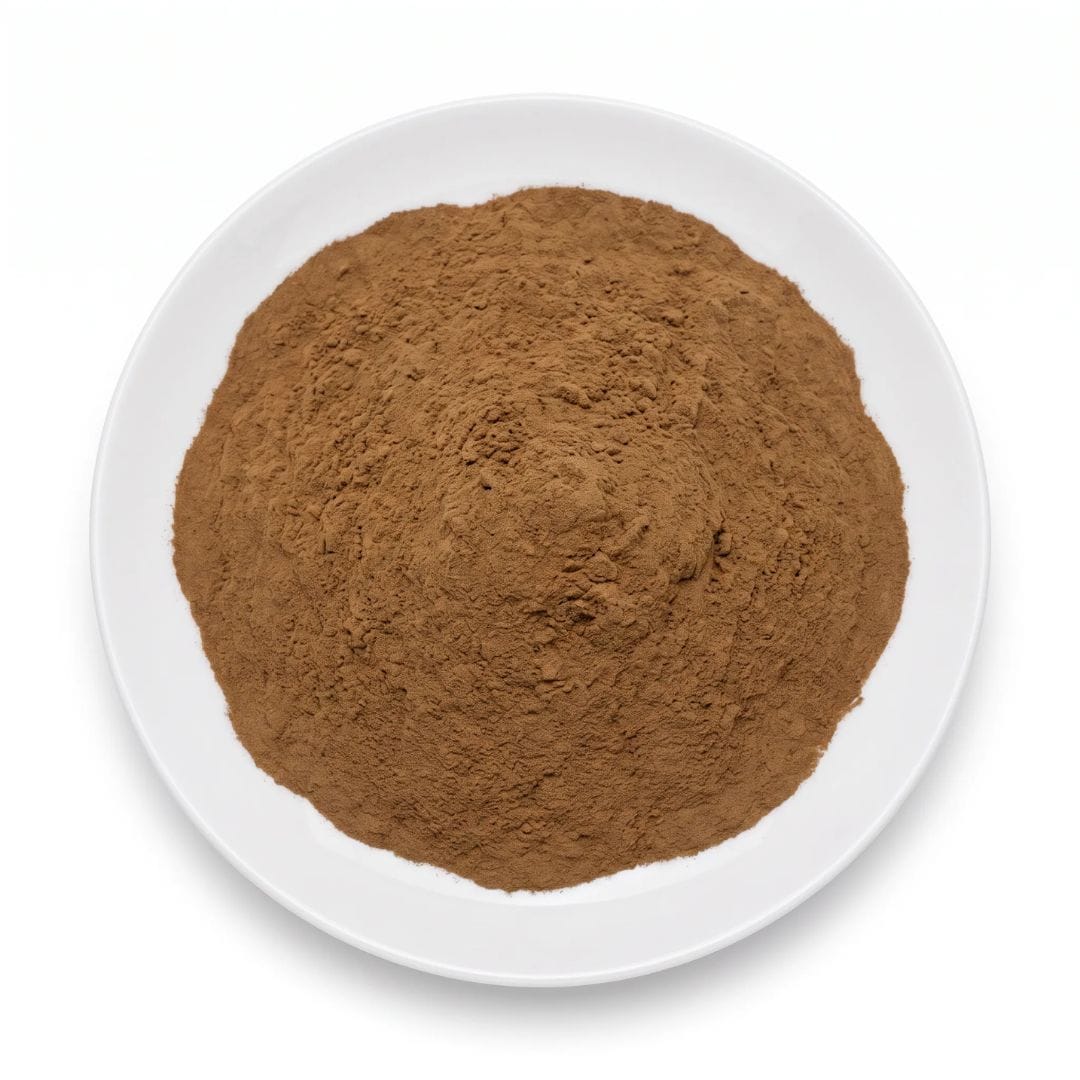
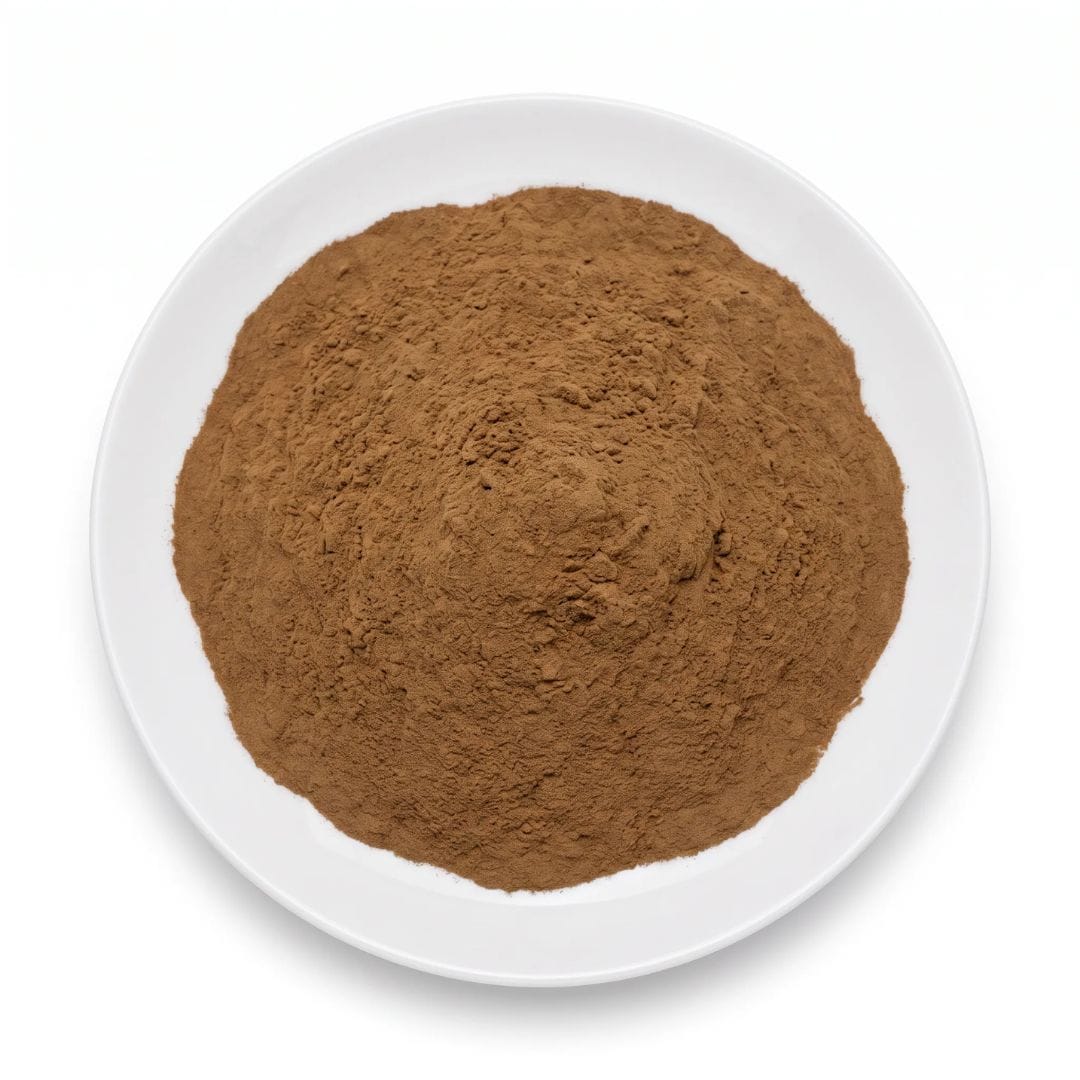
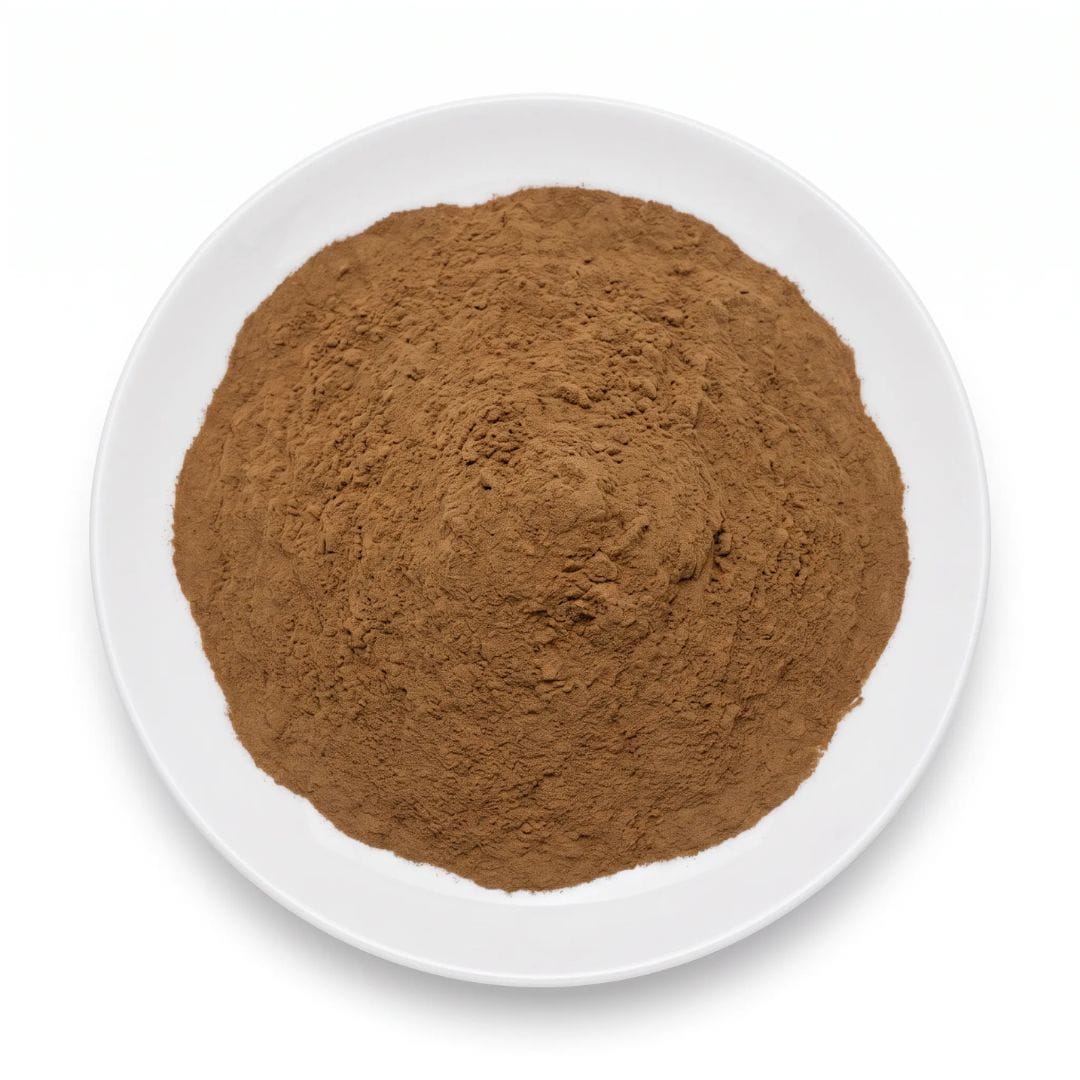
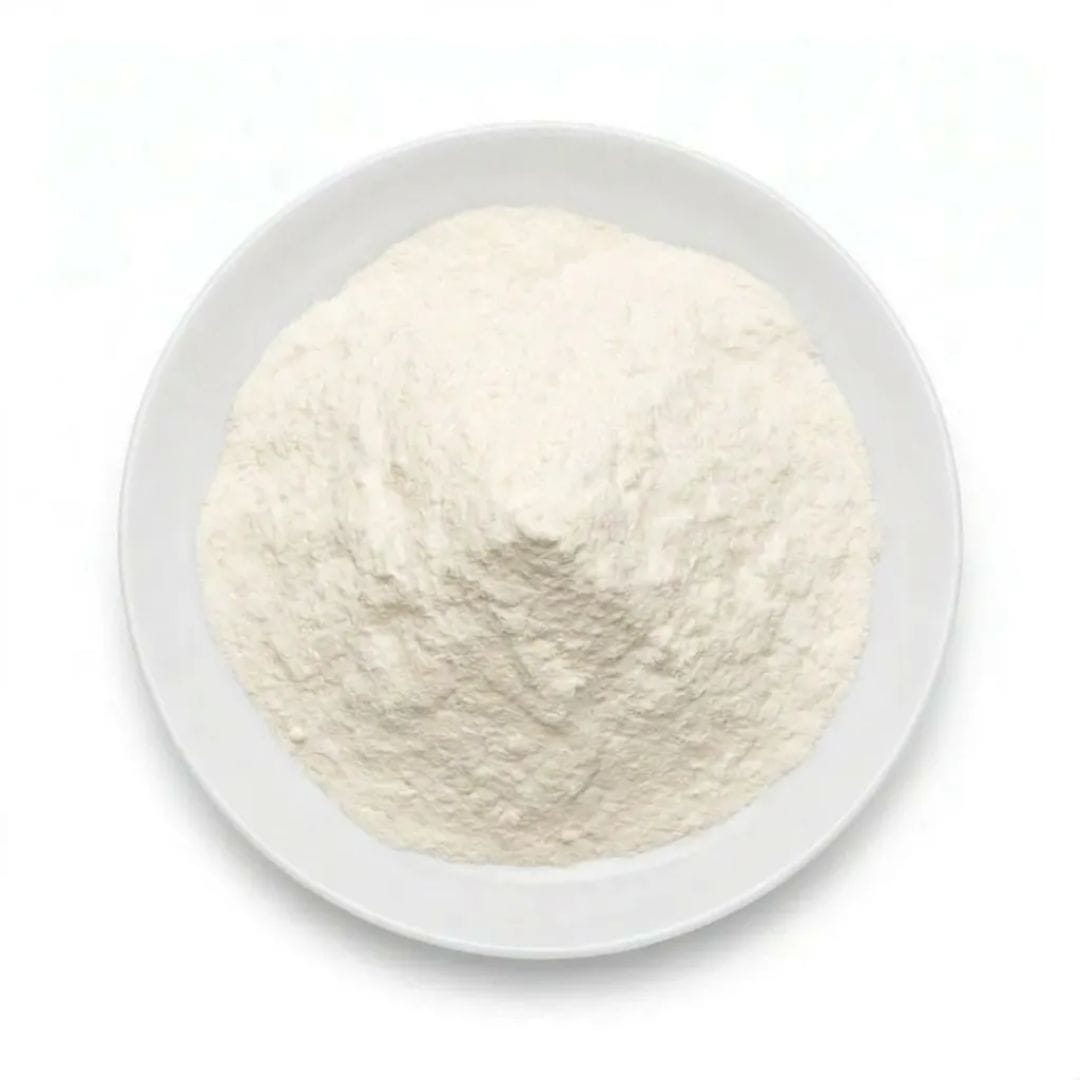
Poria Cocos Extract is commonly supplied as a powder with good handling properties for industrial formulation. Depending on the specification, it may exhibit different shades of brown or off-white, and the powder characteristics are influenced by the extraction ratio and concentration of the active fraction.
From a formulation perspective, this ingredient is valued for:
- Ease of blending into dry mixes
- Compatibility with supplement systems
- Use in beverage and food premixes
- Support for cosmetic and personal care applications
- Reliable sourcing and scalable supply
Poria Cocos Extract Benefits
Poria Cocos Extract has long been associated with traditional wellness use and is also studied for its functional properties in modern product development. Its commonly cited benefits include:
- Supporting fluid balance and moisture-related wellness
- Supporting digestive function and general comfort
- Assisting with normal elimination of excess moisture
- Contributing to kidney-related wellness applications in traditional contexts
- Supporting immune-related product positioning in nutraceutical formulations
- Helping with calming and relaxation-oriented formulas
- Used in skin-care formulations for hydration and complexion support
Modern research on Poria cocos has explored its polysaccharides and triterpenes for a range of biological activities. While product claims must always remain compliant with local regulations, the ingredient has strong market recognition in traditional botanical and wellness categories.
Applications of Poria Cocos Extract
Dietary Supplements
Poria Cocos Extract is commonly used in capsules, tablets, granules, and powder blends for nutraceutical products. It is especially suitable for formulas focused on digestion, hydration, relaxation, and general wellness support.
Functional Foods and Beverages
The polysaccharide-rich profile makes this extract useful in beverage premixes, instant drink powders, and health-oriented food formulations. It can be incorporated into products designed for modern wellness consumers seeking botanical ingredients with heritage value.
Cosmetics and Personal Care
Poria Cocos Extract is also used in skincare applications, particularly formulations aimed at moisturization, skin conditioning, and soothing support. Its botanical origin makes it attractive for clean-label and plant-based cosmetic concepts.
Traditional Herbal Formulations
In traditional medicine systems, poria has been used in formulas for memory support, nervous tension, sleep discomfort, digestive imbalance, edema, dizziness, and other general health concerns. These historical applications continue to support market demand in herbal ingredient channels.
Why Choose Poria Cocos Extract for Formulation Development?
For manufacturers and brand owners, Poria Cocos Extract offers several practical advantages:
- Botanical ingredient with strong traditional recognition
- Suitable for multiple industries, including supplements, food, and cosmetics
- Extract-based format improves formulation convenience
- Polysaccharides provide meaningful functional value
- Scalable supply for commercial manufacturing
- Better standardization than raw herb materials
- Useful in clean-label, plant-based, and wellness-focused products
For distributors and wholesale buyers, it is a commercially flexible ingredient with broad end-market appeal and long-term demand potential.
Formulation Considerations
Poria Cocos Extract is generally used as part of blended formulas rather than as a standalone hero ingredient. It combines well with other botanicals, vitamin-mineral systems, mushroom ingredients, and wellness actives in products targeted at digestion, hydration, relaxation, and daily health support.
For cosmetic and beverage developers, the ingredient can be positioned as a plant-derived functional component that supports a natural, Asian herbal ingredient story. Compatibility should always be evaluated during product development based on the final pH, processing temperature, and target dosage range.
Packaging and Storage
Packing:
- 25 kg/fiber drum with double plastic bag inside
- 1 kg/bag, vacuum packed in aluminum foil bag
- Customized packaging available upon request
Storage:
Keep away from strong light and heat in a cool, dry environment.
Shelf Life:
24 months for powder
Proper storage helps maintain powder stability, reduce moisture uptake, and preserve product quality during transportation and warehouse handling.
Quality Control and Supply Reliability
Extracts China emphasizes controlled sourcing, standardized production, and practical quality management to support industrial purchasing requirements. For international buyers, consistent batch quality and traceable raw materials are essential when selecting a botanical extract supplier.
Key quality-oriented considerations include:
- Careful raw material selection
- Consistent extraction process control
- Batch-to-batch stability
- Commercial packaging suitable for export
- Responsive supply for repeat purchasing
- Documentation support for B2B procurement
Sample, Ordering, and Payment Information
Sample Policy:
Free samples are available; freight cost is paid by the buyer.
MOQ:
1 kg. Smaller trial quantities such as 100 g can be accepted if the sample charge is fully paid.
Lead Time:
Approximately 3–5 days after payment confirmation, excluding Chinese holidays.
Payment Terms:
T/T, Western Union, or Escrow (Alibaba)
Discounts:
Available according to order quantity.
FAQ
Can I get samples?
Yes, free samples can be provided, with freight cost paid by the buyer.
How do I place an order?
A proforma invoice will be issued after order confirmation, followed by payment details for processing.
What is the minimum order quantity?
The MOQ is 1 kg, though smaller quantities may be accepted for sampling purposes.
How long does delivery take?
Usually around 3–5 days after payment confirmation, excluding holidays.
Is pricing negotiable?
Yes, pricing depends on order volume and commercial requirements.
How is quality complaint handled?
Quality control is designed to minimize issues. If a verified quality issue is caused by us, replacement goods or a refund will be arranged accordingly.