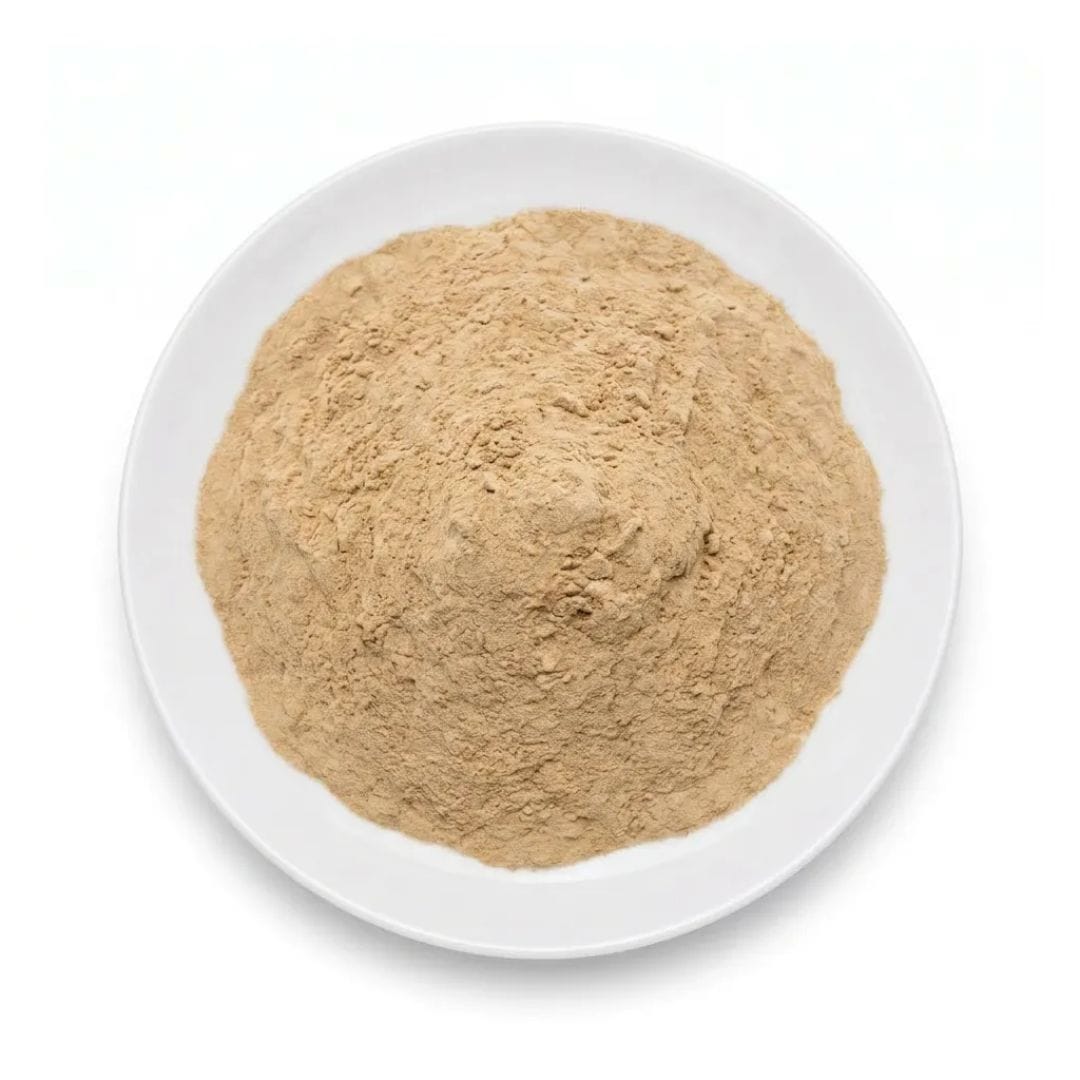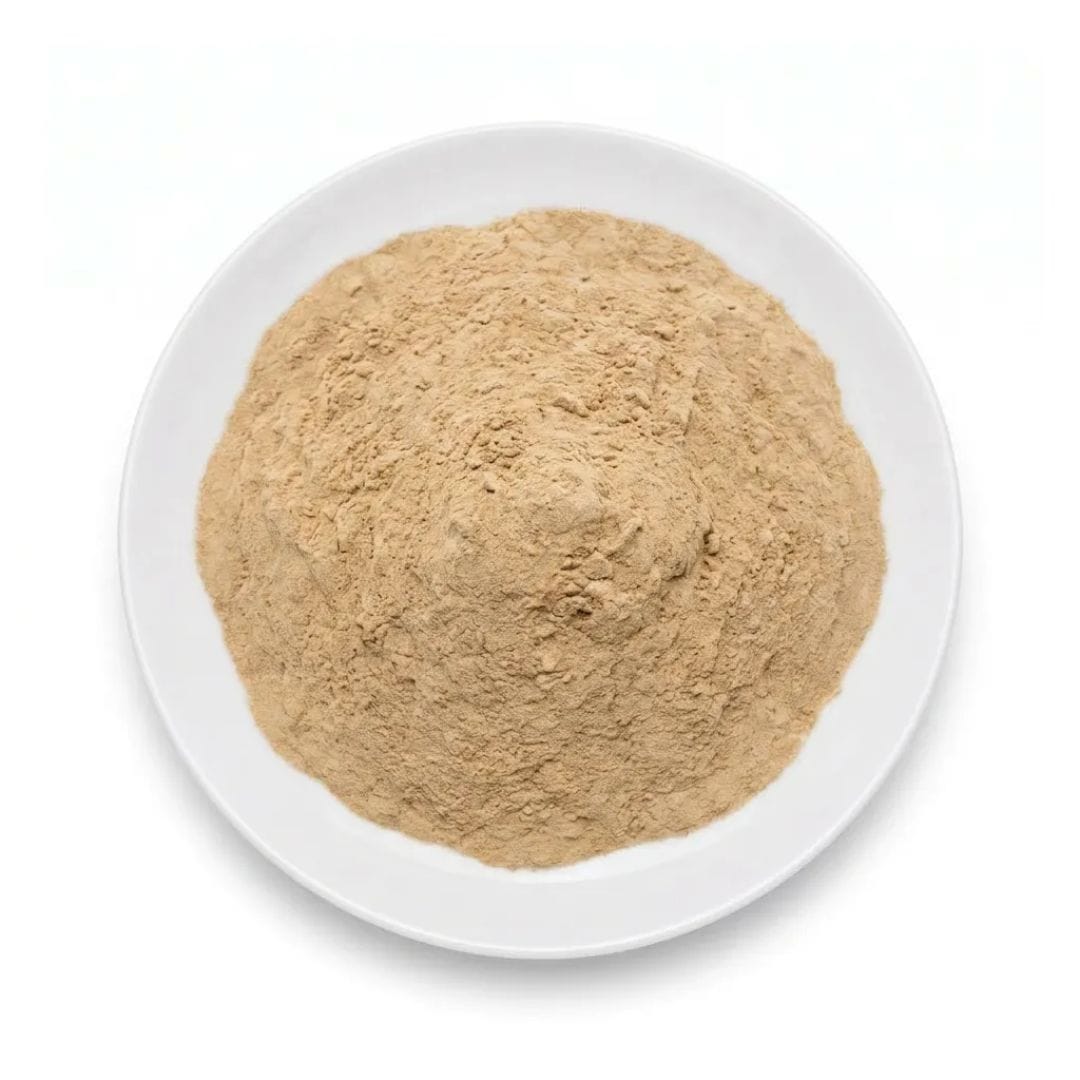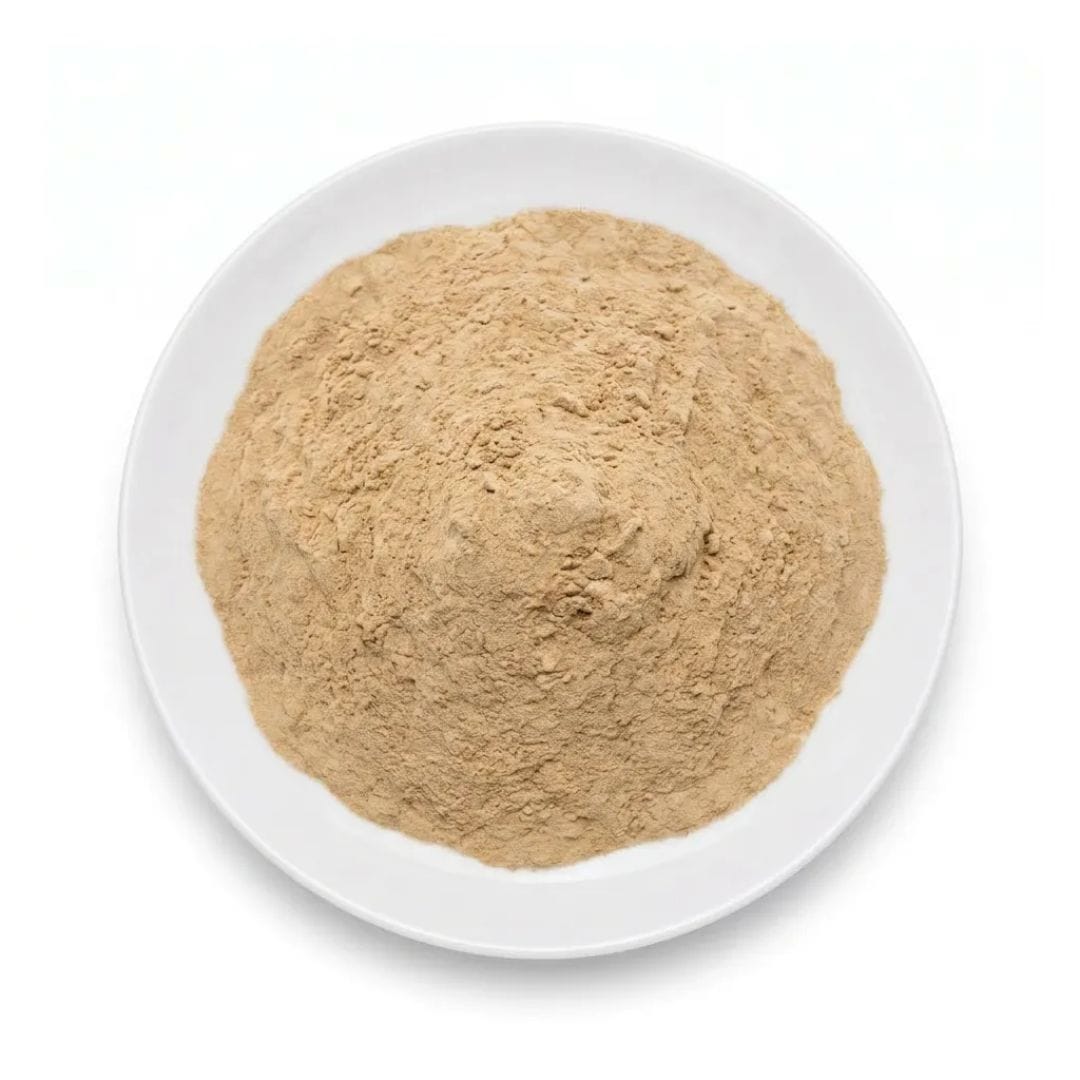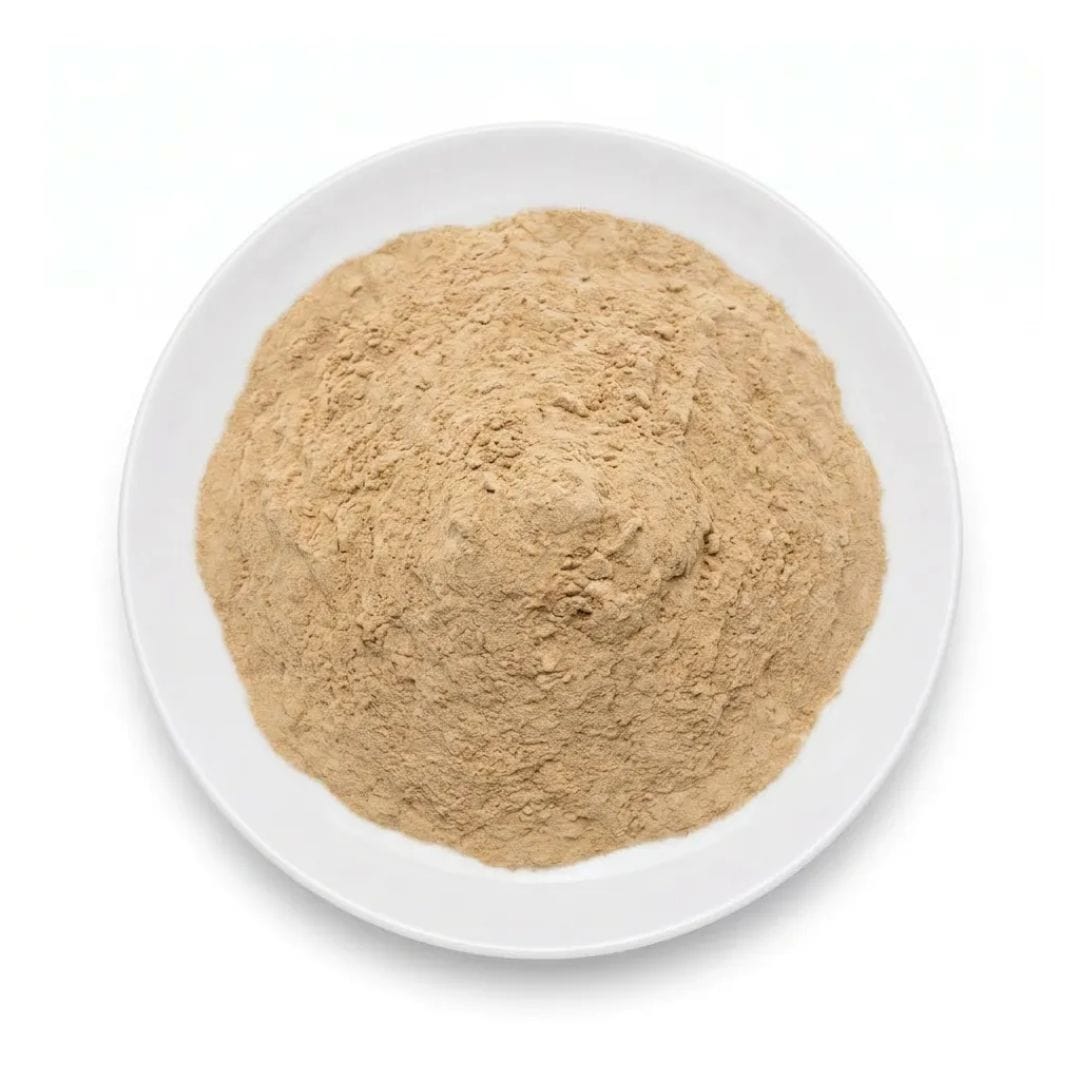
What Is Nuciferine?
Nuciferine is a naturally occurring aporphine alkaloid derived from the leaf of the lotus plant, Nelumbo nucifera (folium nelumbinis). It is commonly obtained from lotus leaf extract through solvent extraction and further standardized to different assay levels depending on project requirements.
In traditional Chinese herbal practice, lotus leaf has long been regarded as a bitter botanical ingredient. Bitter herbs are traditionally associated with supporting digestion, helping the body manage post-meal discomfort, and contributing to a balanced digestive process. Lotus leaf is also described as an astringent herb in traditional use, where it has been valued in formulations intended to support normal body functions related to bleeding and fluid balance.
From a modern phytochemical perspective, lotus leaf contains a range of natural constituents, including alkaloids, flavonoids, and tannins. Among these, nuciferine is one of the key active compounds of interest. Research has shown that isoquinoline-type alkaloids present in lotus leaf may exhibit sedative and antispasmodic activity, which is one reason nuciferine extract continues to attract attention from formulators in the nutraceutical, pharmaceutical, and botanical ingredient markets.
Nuciferine is also studied for its action profile related to dopamine receptor interaction. In scientific literature, it has been associated with effects such as sedation, hypothermia, ptosis, and, at higher doses in experimental settings, catalepsy. It has also been reported to inhibit spontaneous motor activity, conditioned avoidance response, amphetamine toxicity, and stereotypy. In preclinical discussions, nuciferine may also potentiate morphine analgesia. The median lethal dose in mice is 289 mg/kg, and the compound is structurally related to apomorphine.
Basic Information
Product Name: Nuciferine
Latin Name: Folium nelumbinis
Place of Origin: China
Part Used: Leaf
Extraction Type: Solvent Extraction
Active Ingredient: Nuciferine
CAS No.: 475-83-2
Molecular Formula: C19H21NO2
Formula Weight: 295.376
Test Method: HPLC
Specifications: Nuciferine 1%-98%
Application: Pharmaceuticals, Dietary Supplement
Product Overview
Nuciferine extract is produced from carefully selected lotus leaves and processed under controlled extraction conditions to help ensure consistent composition and stable batch-to-batch quality. As a botanical raw material, it is especially relevant to manufacturers seeking a standardized plant extract with defined assay ranges and dependable traceability.
For buyers in the dietary supplement, pharmaceutical, and functional ingredient sectors, nuciferine offers a practical combination of traditional botanical heritage and modern ingredient standardization. Its high-purity options make it suitable for formulation projects that require flexible dosage design, active-marker control, and reliable sourcing.
Key Characteristics of Nuciferine Extract
Standardized Active Content
Nuciferine can be supplied at a range of specifications from 1% to 98%, allowing formulators to choose the concentration that best fits their product goals, cost structure, and dosage format.
Botanical Origin
The ingredient is derived from lotus leaf, a well-known traditional medicinal and food-use botanical in China. This helps support market positioning for products focused on natural origin and plant-based ingredient narratives.
Analytical Control
HPLC testing is used for quality evaluation, which supports accurate identification and content measurement of nuciferine in finished extract batches.
Formulation Versatility
Because nuciferine extract can be standardized to different concentrations, it may be integrated into capsules, tablets, powder blends, herbal formulas, and other botanical product systems, depending on the intended application and regulatory framework.
Traditional and Scientific Context
Lotus leaf has a long history of use in traditional medicine, where it is considered a bitter herb. Traditional practitioners often associate bitter botanicals with digestive support and normal bile-related functions. Historically, lotus leaf has also been used as an astringent botanical in formulations aimed at maintaining normal physiological balance.
Modern phytochemical studies have identified several noteworthy classes of compounds in lotus leaf, including alkaloids, flavonoids, and tannins. These natural constituents contribute to the growing interest in nuciferine extract among researchers and product developers.
While traditional use and early-stage scientific observations provide useful context, ingredient performance in finished products depends on formulation design, dosage, quality, and the overall product category. As with any botanical raw material, technical evaluation should be based on product specifications and intended market requirements.
Potential Benefits and Functional Positioning
Nuciferine is commonly positioned in botanical ingredient development for the following functional themes:
- Support for weight management-oriented formulations
- Lipid management and cardiovascular wellness positioning in product concepts
- Expectorant-related traditional botanical positioning
- Use in formulations associated with circulation support
- Interest from developers seeking plant-based actives for wellness and metabolic support concepts
In traditional and commercial applications, lotus leaf extract has also been associated with blood cholesterol management and fatty liver-oriented product concepts. These claims should always be aligned with the applicable regulatory rules of the target market and supported only where permitted.
Applications of Nuciferine Extract
Dietary Supplements
Nuciferine is suitable for use in dietary supplement formulations, especially in products designed around botanical support, weight management concepts, and standardized herbal extract blends.
Pharmaceutical and Research Use
Due to its defined active marker and documented scientific interest, nuciferine may also be used in pharmaceutical development, research programs, and technical ingredient evaluation.
Functional Botanical Formulas
The extract may be incorporated into complex herbal systems where standardized lotus leaf extract is used to improve active consistency and formulation repeatability.
Food and Beverage Ingredients
In certain markets and under applicable regulations, lotus leaf-derived materials may be used in food-oriented applications where botanical identity and natural sourcing are important to brand positioning.
Why Buyers Choose Nuciferine from Extracts China
Extracts China supplies nuciferine extract with a focus on professional-grade botanical sourcing, standardized production, and quality consistency. For importers, brand owners, manufacturers, and bulk ingredient distributors, this means a more dependable supply chain and better support for product development.
Key advantages include:
- Standardized nuciferine specifications from 1% to 98%
- Botanical raw material sourced from lotus leaf
- Solvent extraction process for controlled ingredient production
- HPLC analytical testing for quality verification
- Suitable for B2B procurement, formulation work, and international trade
- Consistent material profile for commercial manufacturing needs
Quality Control and Supply Considerations
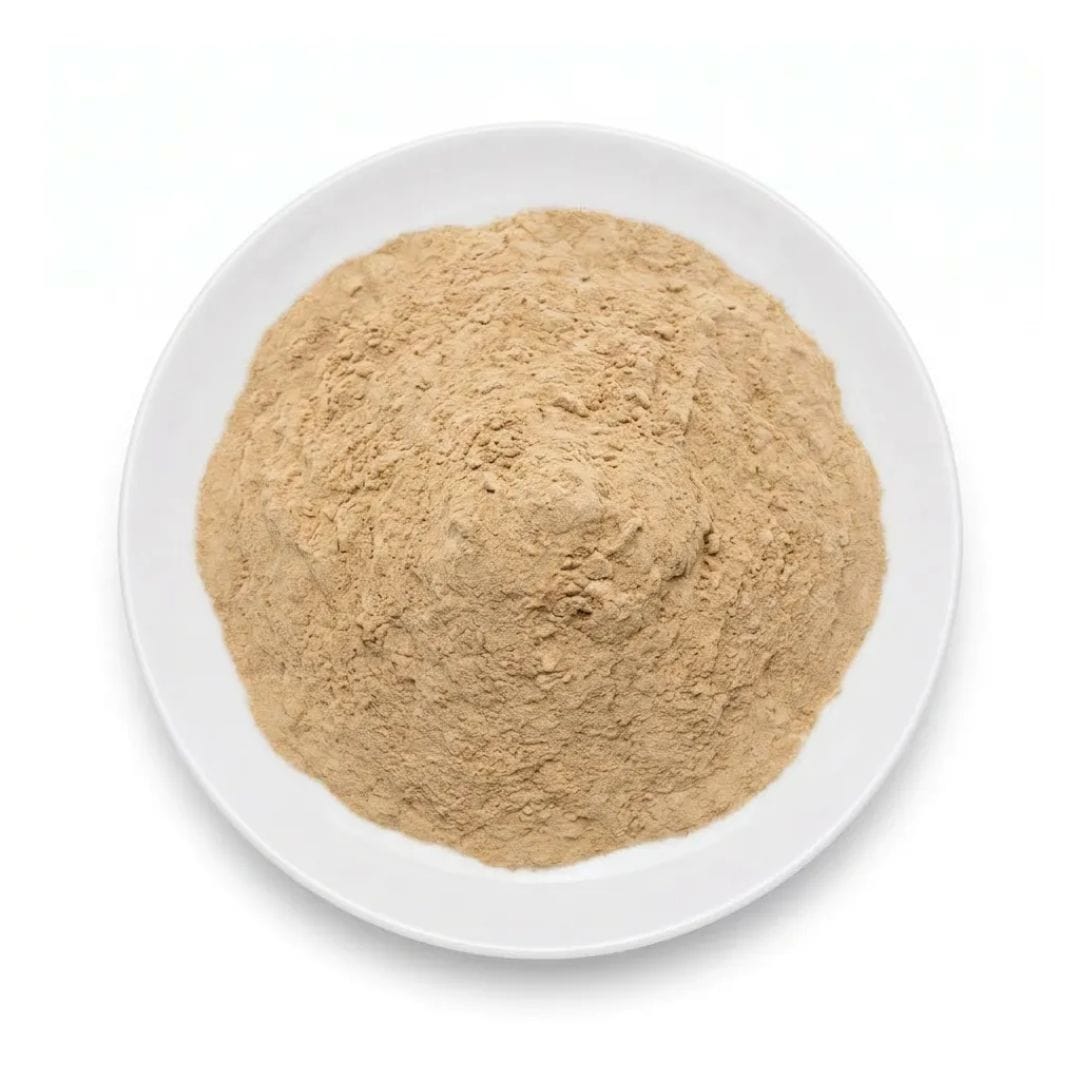
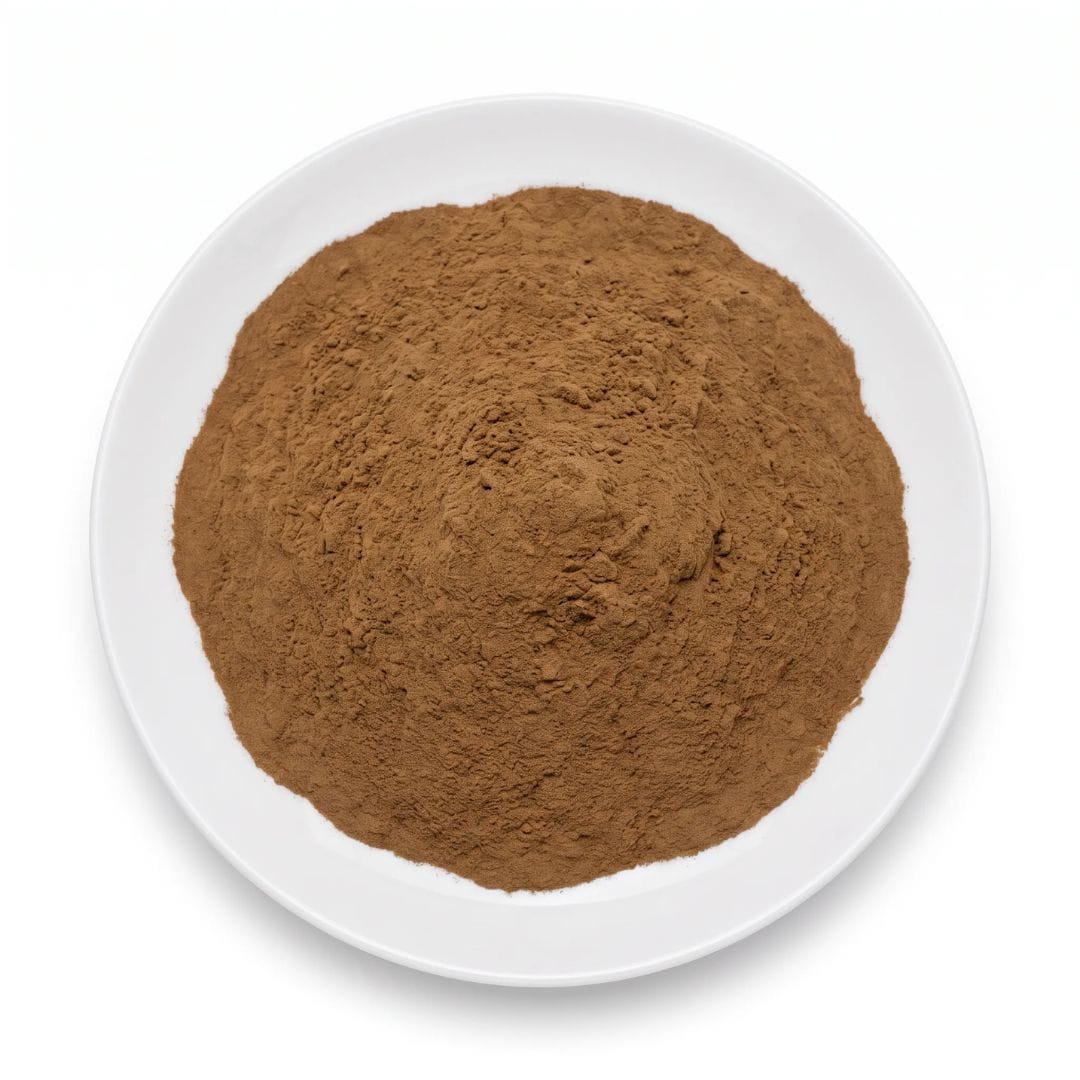
To support downstream manufacturing, nuciferine extract should be handled with attention to specification control, lot traceability, and proper storage. Buyers in the nutraceutical and pharmaceutical industries typically evaluate ingredients based on assay, appearance, consistency, and supplier reliability.
For long-term procurement planning, it is important to confirm:
- Active content specification
- Test method and analytical basis
- Raw material origin
- Manufacturing consistency
- Packaging format suitable for shipping and storage
- Documentation required for your target market
Storage and Handling
To help maintain product quality, nuciferine extract should be stored in a cool, dry place away from direct sunlight, moisture, and excessive heat. Proper sealing of containers is recommended after each use to support stability during warehousing and production.
Contact Us
For product specifications, quotation requests, bulk supply, or custom inquiry support, please contact:
Extracts China
Email: [email protected]