Olive Leaf Extract is a botanical ingredient derived from the leaves of Olea europaea L., the olive tree, a well-known evergreen species in the Oleaceae family. The leaves are typically silvery green, oblong in shape, and commonly measure 4–10 cm in length and 1–3 cm in width. As a plant extract with a long history in traditional use and modern nutraceutical development, Olive Leaf Extract has gained strong interest from manufacturers of dietary supplements, functional foods, cosmetics, and natural health products.
What Makes Olive Leaf Extract Valuable?
The most widely recognized bioactive constituent in Olive Leaf Extract is oleuropein, a bitter iridoid glycoside that is considered the key marker compound for quality and standardization. Another important component is hydroxytyrosol, which is also valued in botanical formulation and product development. In addition to these compounds, olive leaves naturally contain a complex profile of phenolic substances, including flavonoids, glycosides, and tannin-related compounds, which contribute to the extract’s overall functional profile.
Because of this composition, Olive Leaf Extract is commonly selected as a broad-spectrum botanical ingredient for oral supplements and topical formulations. For B2B buyers, the value of this ingredient lies in its plant origin, standardized actives, and compatibility with a wide range of formulations.
Botanical Source and Raw Material Profile
Olive Leaf Extract is produced from the leaf material of the olive tree, a species cultivated in many regions of the world. The raw leaves are harvested and processed under controlled manufacturing conditions to help preserve the natural phenolic content and maintain batch-to-batch consistency.
Basic Information
- Product Name: Olive Leaf Extract
- Latin Name: Canarium album Raeusch.
- Place of Origin: Fujian, China
- Part Used: Leaf
- Extraction Type: Solvent Extraction
- Active Ingredient: Oleuropein
- CAS No.: 32619-42-4
- Test Method: HPLC
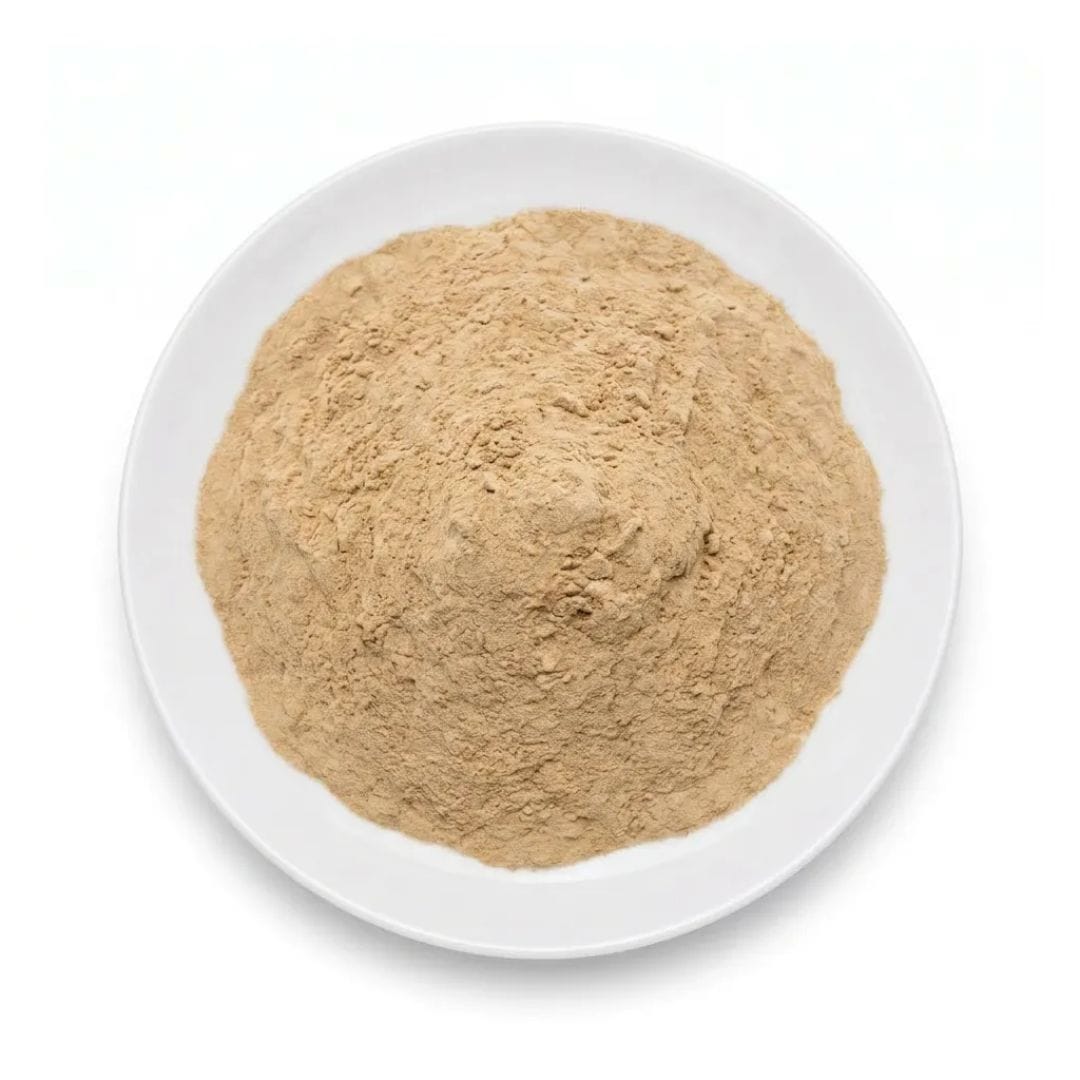
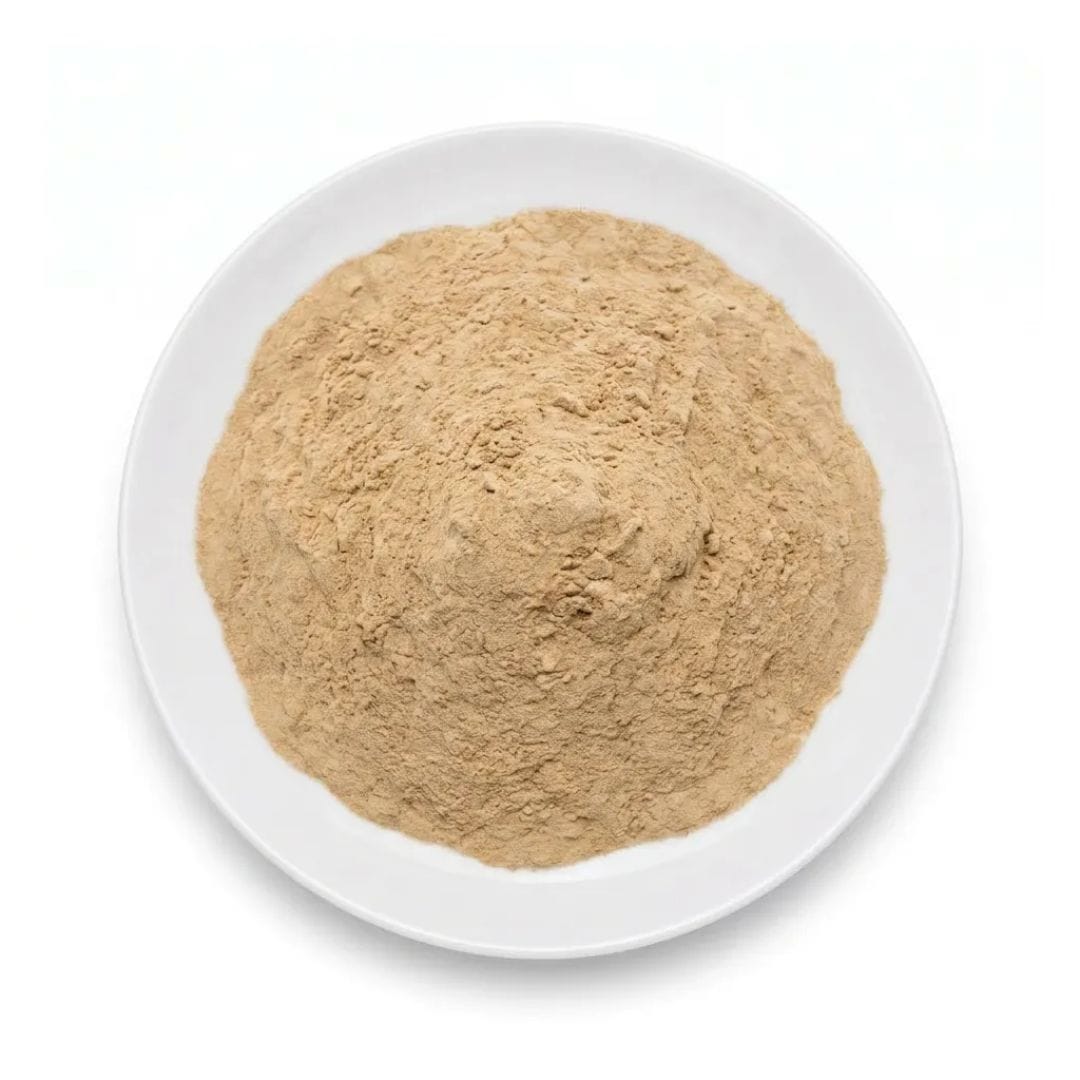
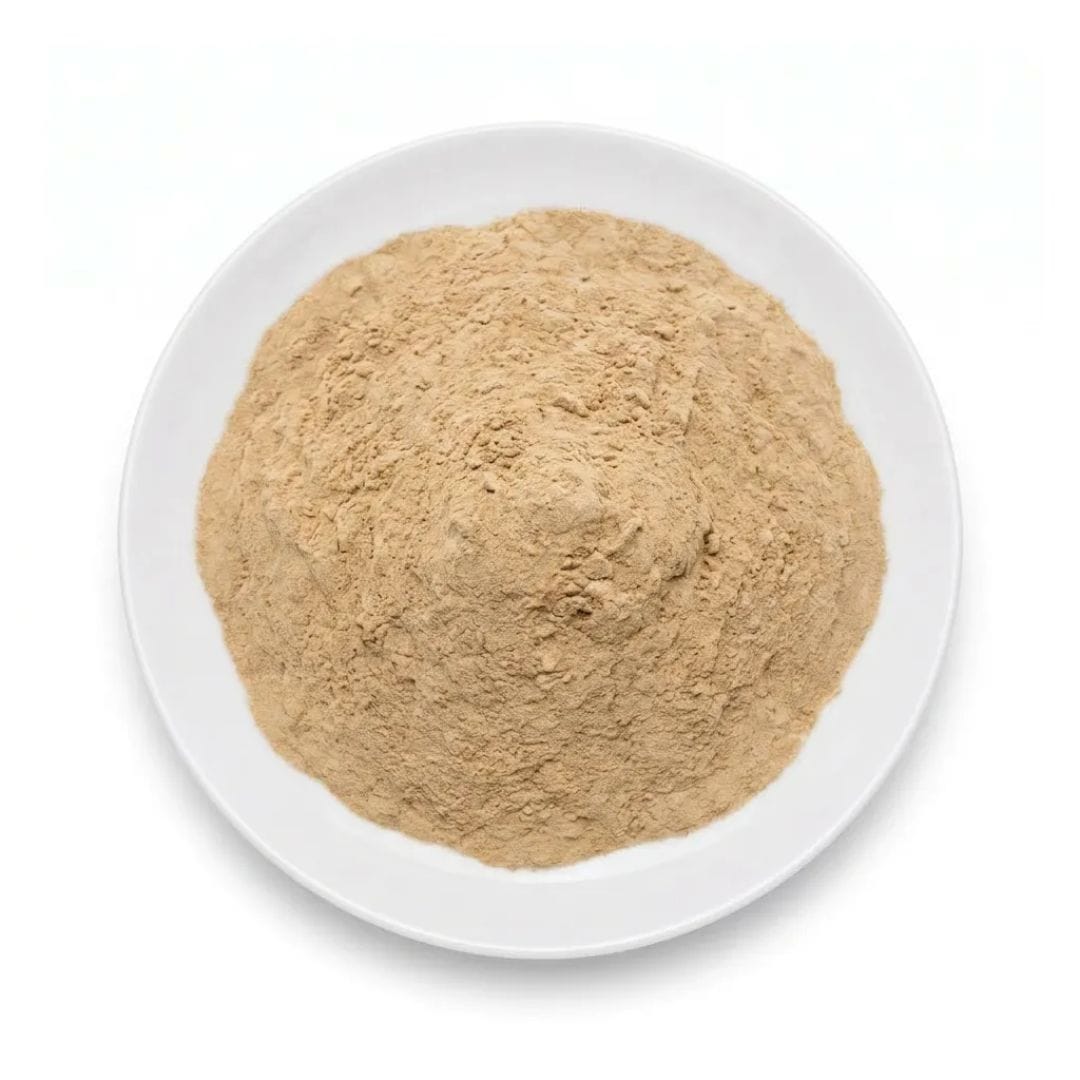
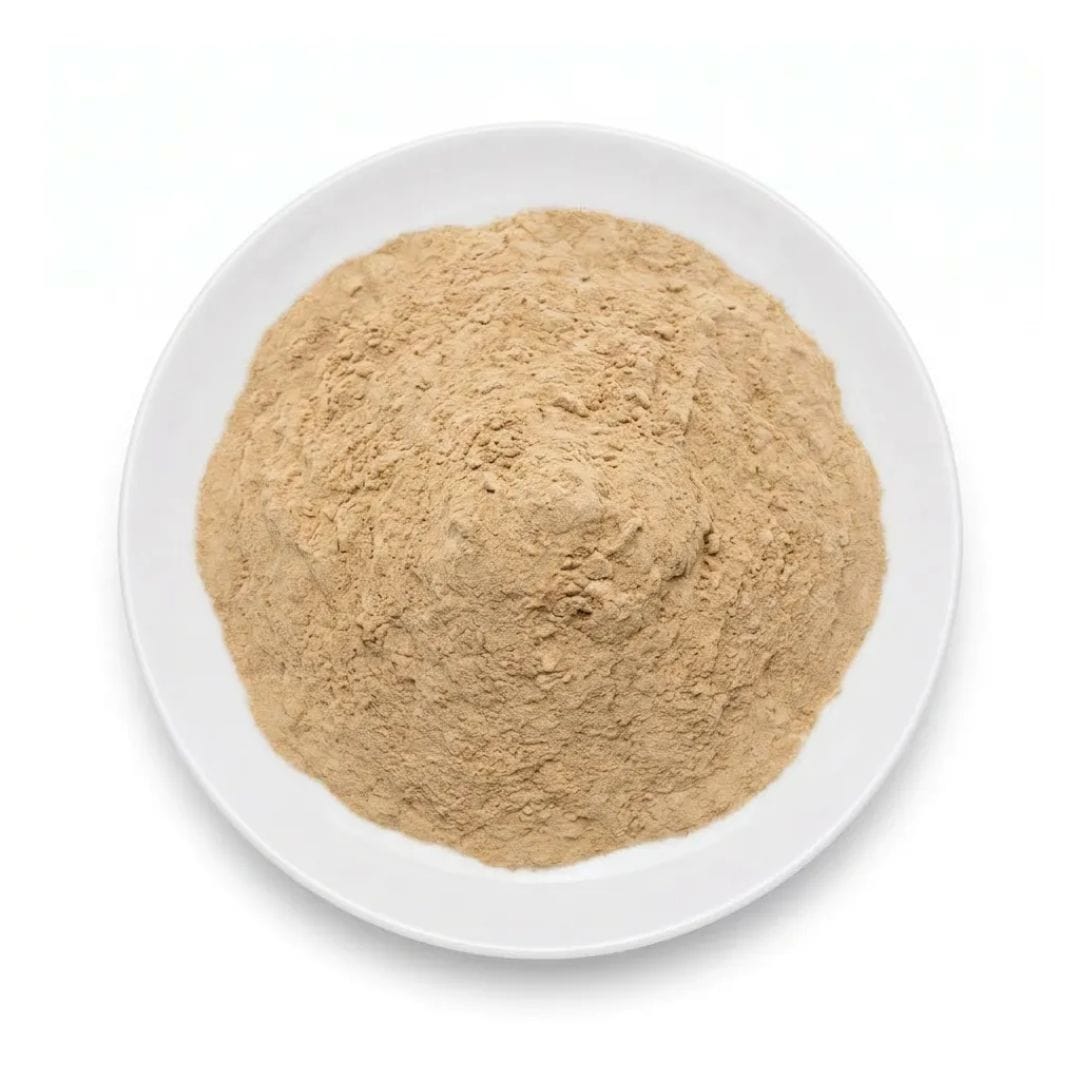
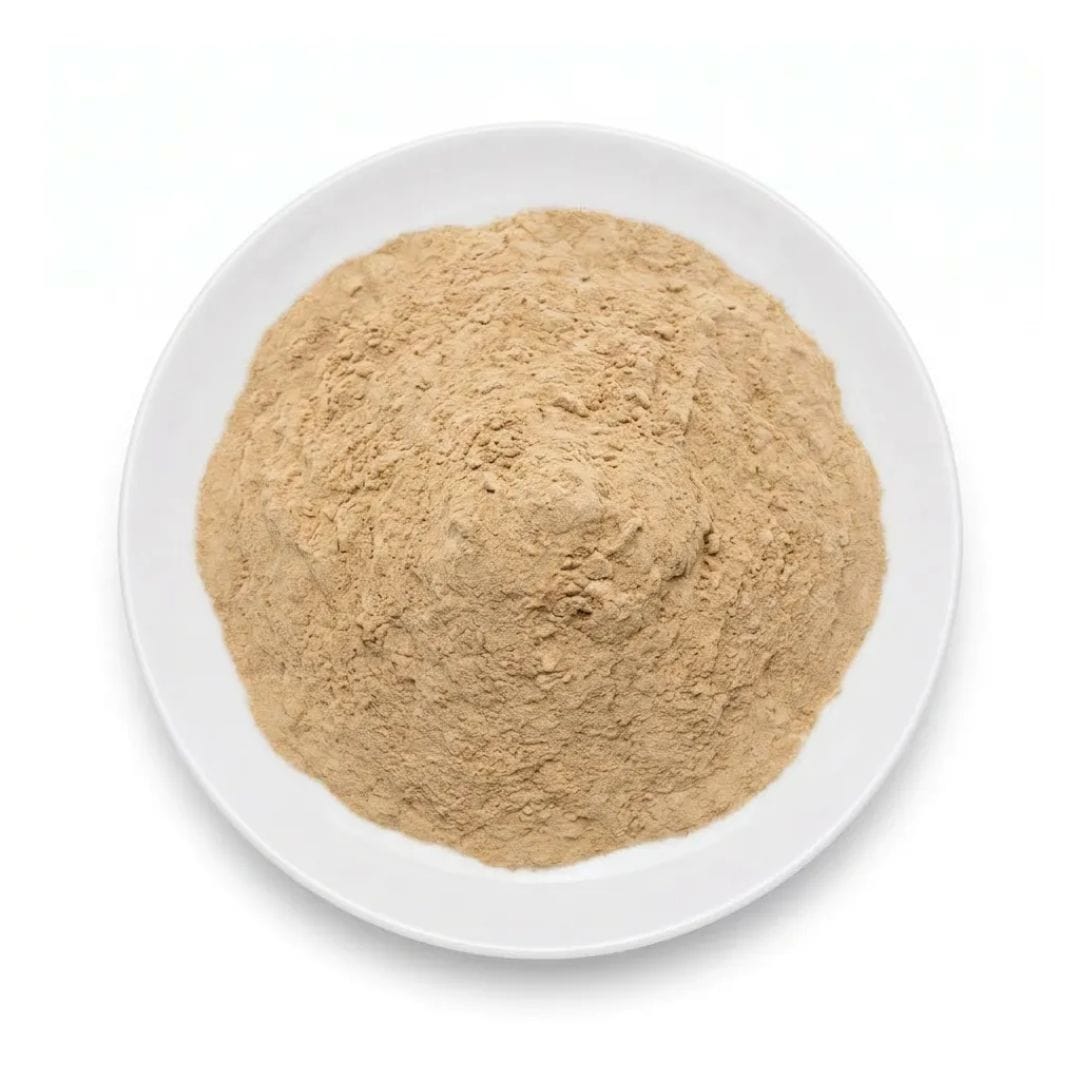
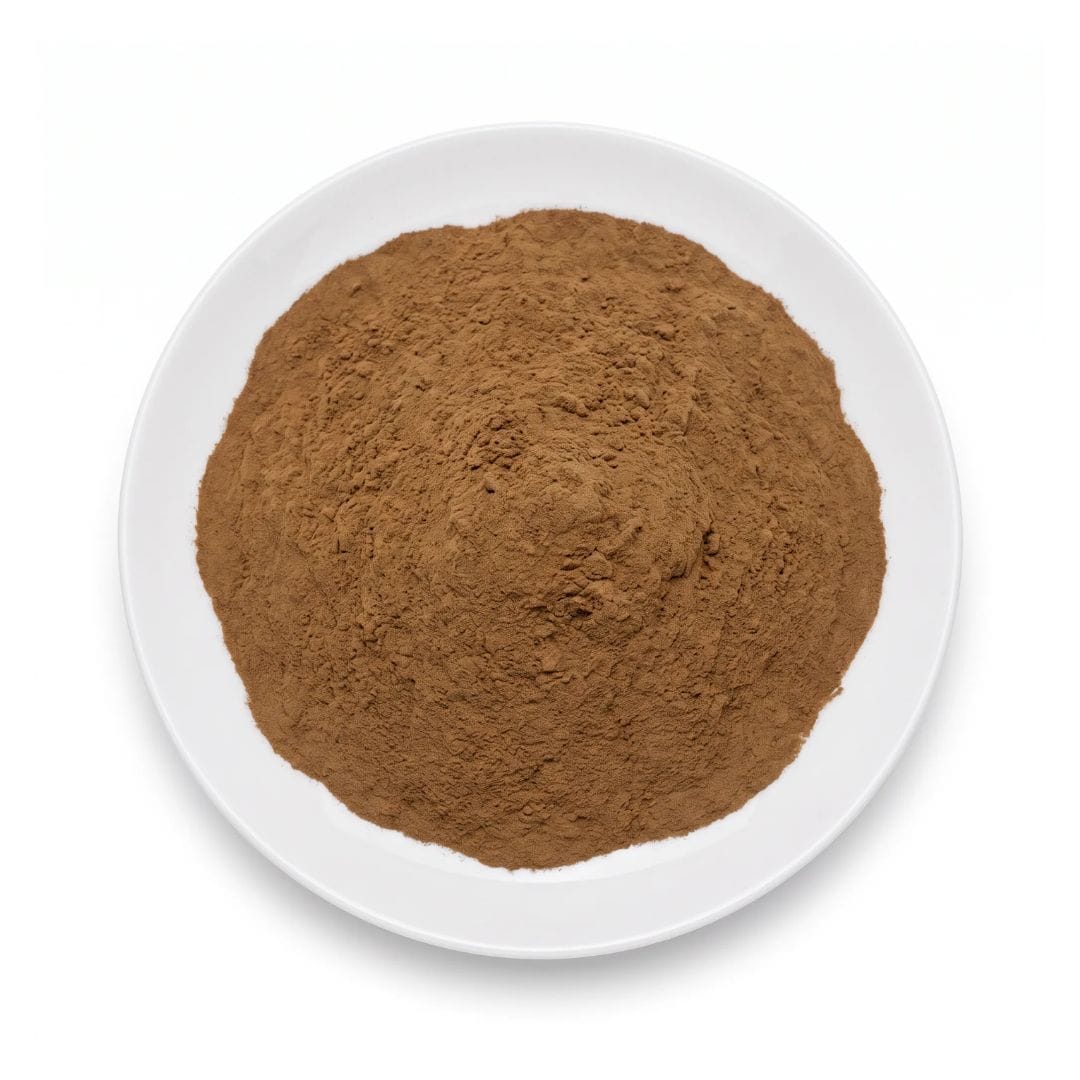
- Appearance: Brown yellow powder
Main Constituents of Olive Leaf Extract
Olive Leaf Extract is rich in naturally occurring plant compounds, with iridoid-related bitter substances playing the leading role. The principal active compounds include:
- Oleuropein
- Hydroxytyrosol
- Flavonoids and their glycosides
- Bisflavonoids and their glycosides
- Low-molecular-weight tannins
- Other phenolic constituents
Among these, oleuropein is the most commonly standardized marker in commercial olive leaf extract products. Hydroxytyrosol is also highly regarded in natural ingredient development due to its relevance in antioxidant-oriented formulations.
Production and Quality Control
As a functional plant extract, quality consistency is essential. Olive Leaf Extract is typically produced through solvent extraction and then refined into a powder form suitable for industrial use. To support purchasing confidence and formulation performance, manufacturers generally focus on:
- Controlled raw material selection
- Standardized extraction parameters
- Reliable assay testing by HPLC
- Consistent active ingredient levels
- Batch traceability and production stability
For wholesalers, formulators, and brand owners, a stable oleuropein content is especially important when developing dietary supplements, skincare products, or other botanical blends.
Available Specifications
Olive Leaf Extract is offered in multiple concentrations to meet different formulation requirements:
- Oleuropein 10%
- Oleuropein 20%
- Oleuropein 40%
- Oleuropein 60%
- 5:1
- 10:1
These grades are suitable for manufacturers looking to balance potency, cost, and formulation flexibility. The brown yellow powder form also supports convenient blending in dry-mix applications.
Functional Benefits of Olive Leaf Extract
Olive Leaf Extract is widely used in the natural ingredients sector because of its phytochemical profile and its role in wellness-oriented formulations. In product development, it is commonly associated with the following functional positioning:
Immune Support
Olive Leaf Extract is often included in supplements intended to support the body’s natural defense function. Its botanical constituents make it a popular choice for immunity-focused formulations.
Antioxidant-Oriented Formulation
The phenolic compounds in olive leaf, particularly oleuropein and hydroxytyrosol, are frequently used in products designed to support antioxidant protection and help maintain overall wellness.
Cardiovascular Wellness Positioning
Olive Leaf Extract is commonly used in formulations marketed toward heart health and circulation support. It is often selected by formulators seeking plant-based ingredients with broad consumer recognition.
Digestive and Metabolic Support
As a traditional botanical ingredient, Olive Leaf Extract is also used in products aimed at digestive balance and general wellness support.
Skin Care Applications
Because of its phenolic content, high-oleuropein olive leaf extract is especially relevant in skin care formulations, where botanical ingredients are valued for their natural profile and compatibility with cosmetic systems.
Industry Applications
Olive Leaf Extract has broad application potential across the health and personal care industries.
1. Dietary Supplements
It is commonly used in capsules, tablets, powders, and blend formulations for immune support, antioxidant positioning, and general wellness products.
2. Functional Foods and Nutritional Products
Olive Leaf Extract can be incorporated into health-oriented food and beverage concepts where botanical actives are desired.
3. Cosmetics and Personal Care
High-oleuropein Olive Leaf Extract is often used in skin care formulations, particularly in products with botanical, protective, or anti-aging positioning.
4. Pharmaceutical and Research-Oriented Use
The extract has attracted attention in ingredient development and research-based product innovation due to its naturally occurring phenolic compounds.
Formulation and Compatibility Considerations
For product developers, Olive Leaf Extract offers practical advantages in formulation:
- Suitable for dry-blend systems
- Compatible with supplement capsules and tablets
- Usable in cosmetic and topical product concepts
- Available in standardized grades for different potency targets
- Useful in multi-ingredient botanical formulas
When selecting a grade, manufacturers should consider target dosage, final application, ingredient interaction, and desired active marker level.
Storage and Handling
To help maintain product quality during storage and transportation, Olive Leaf Extract should be kept in a cool, dry, and well-ventilated environment, away from excessive heat, moisture, and direct light. Proper sealing of the packaging is recommended after opening to preserve stability and reduce the risk of moisture absorption.
Why Buyers Choose Olive Leaf Extract from Extracts China
Extracts China supplies Olive Leaf Extract for international B2B buyers who require dependable botanical raw materials with clear specifications and consistent quality. For importers, brand owners, and contract manufacturers, key purchasing advantages include:
- Standardized oleuropein options
- Multiple concentration grades
- HPLC-based testing
- Powder form suitable for industrial use
- Stable supply for bulk purchasing
- Application support for supplement and cosmetic development
Typical Buyer Profiles
Olive Leaf Extract is suitable for:
- Nutraceutical manufacturers
- Dietary supplement brands
- Herbal product formulators
- Cosmetic ingredient buyers
- Distributors and wholesalers
- Private label product developers
- International trading companies
Contact Information
Extracts China
Email: [email protected]