WHAT IS PROANTHOCYANIDIN EXTRACT?
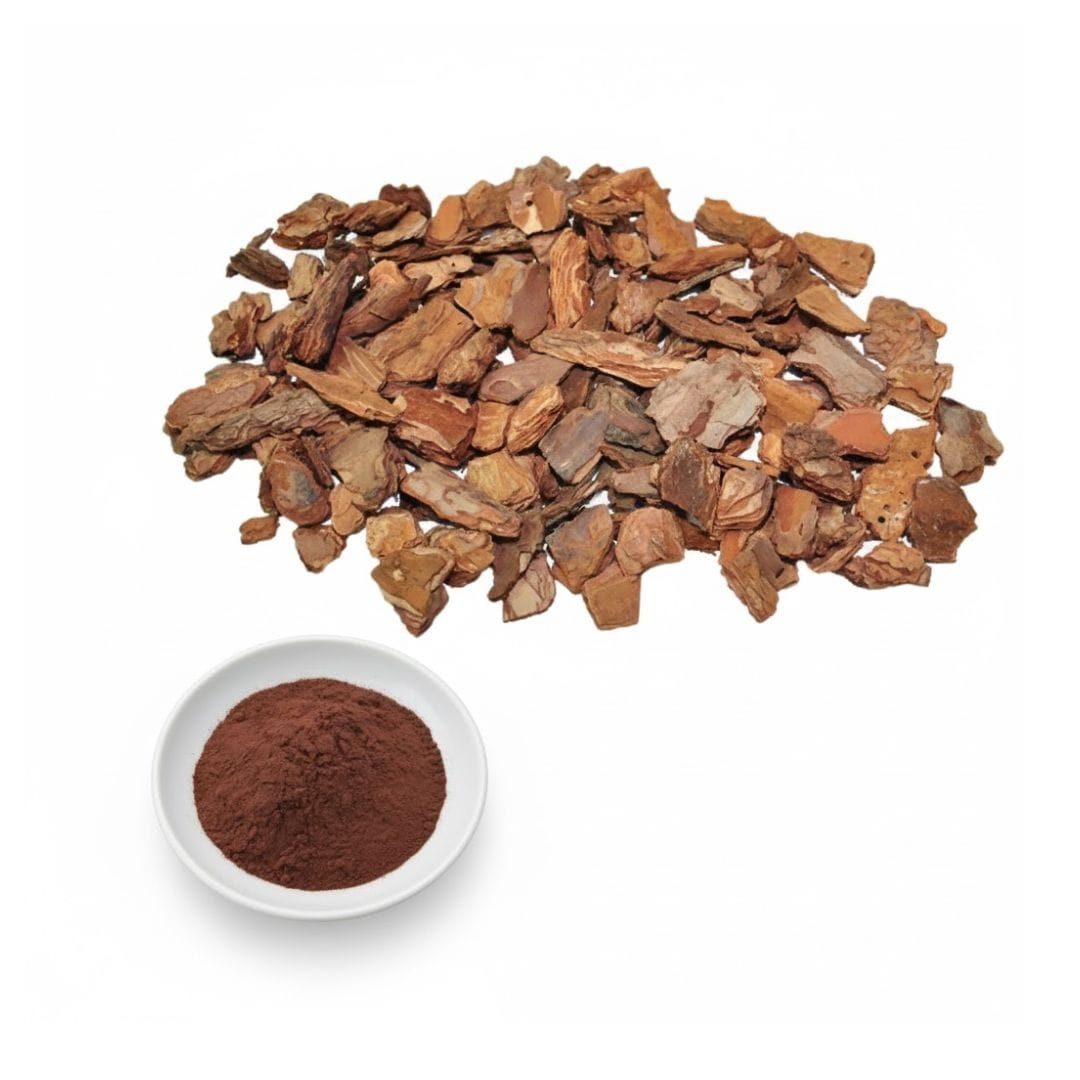
The principal active component in pine bark preparations, Proanthocyanidin Extract is a polyphenolic compound belonging to the proanthocyanidin subgroup of flavonoids. It is naturally present in berries, apples, nuts, cinnamon, cocoa beans and red wine. Pine bark-derived extracts are produced from several Pinus species worldwide, including Pinus densiflora (Korea), Pinus radiata (USA) and Pinus pinaster (France) (Li, 2015).
Commercial preparations are sold under various trademarks such as Pycnogenol®, ProVens®, PineXol®, Flavangenol®, Prelox®, Lady Prelox®, Enzogenol® and Oligopin®. These products differ in their proanthocyanidin content and the profile of other constituents, which may explain variations in observed health effects. Although commonly marketed as dietary supplements, many 95% proanthocyanidin preparations are promoted for use in chronic health conditions.
BASIC INFORMATION
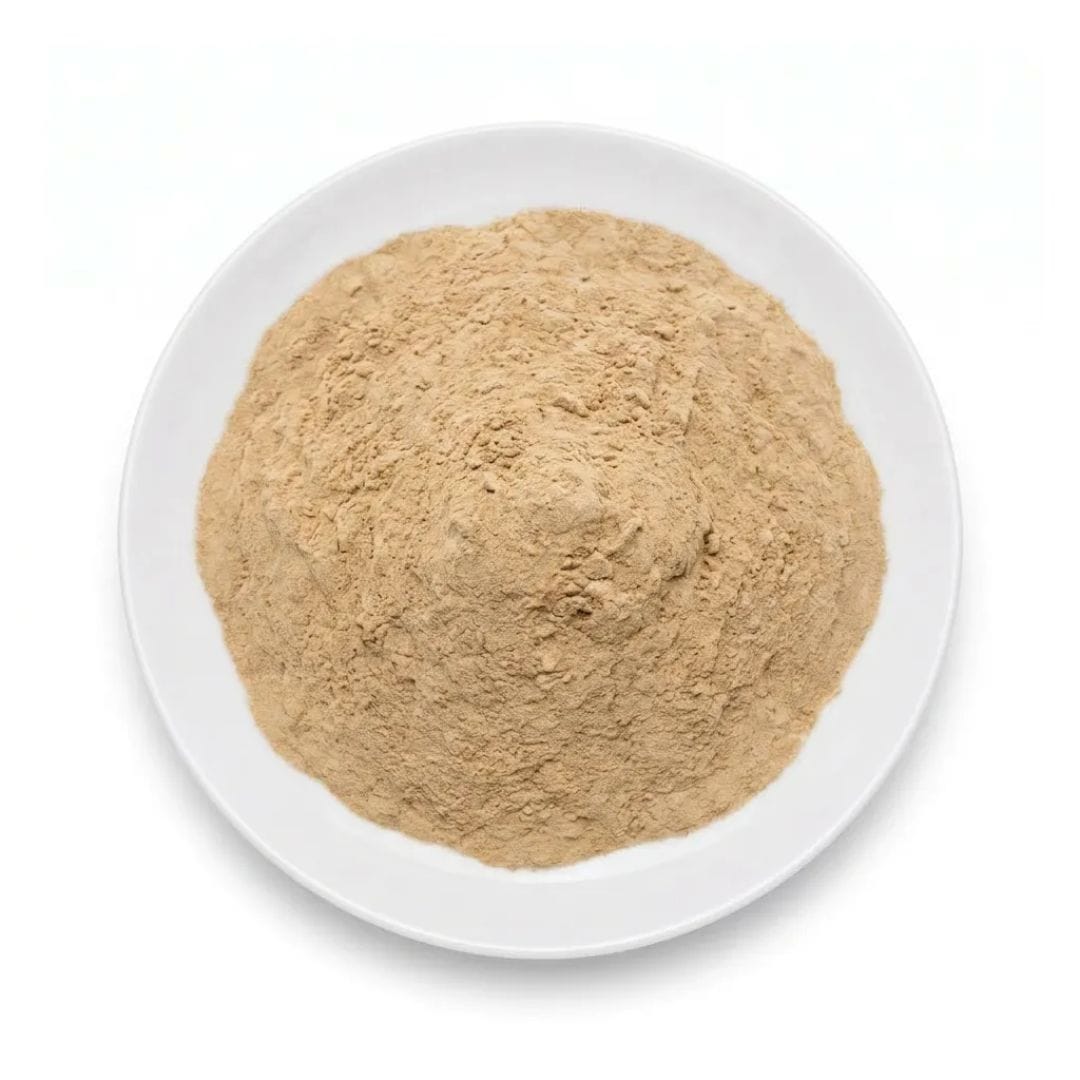
Specification of Pine Bark Extract Powder
- Product name: Proanthocyanidin Extract (Pine Bark)
- Botanical source: Pinus Maritima Lamb.
- Plant part used: Bark
- Specification: 95% Proanthocyanidins
Typical properties
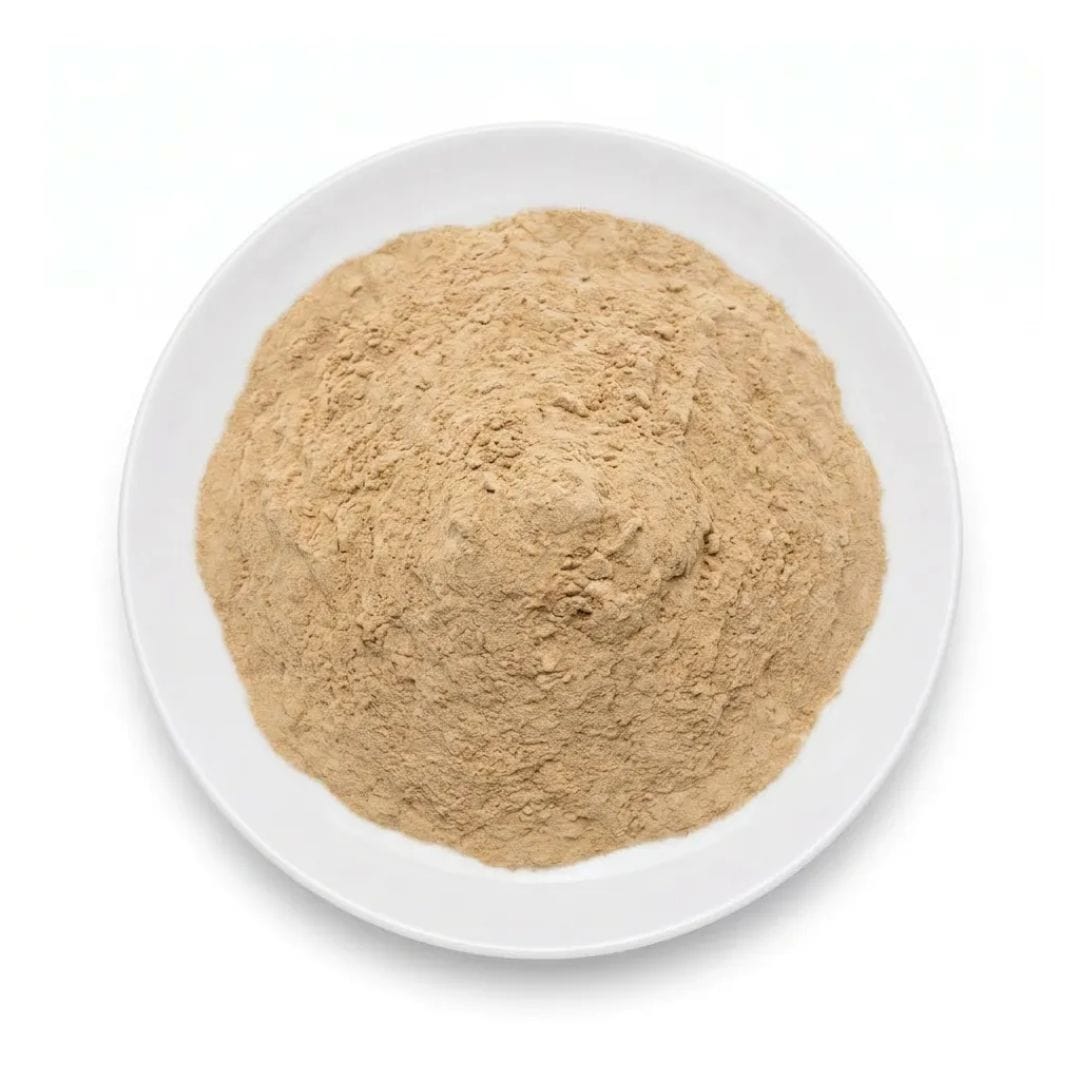
- Appearance: Reddish-brown fine powder
- Flavor & odor: Characteristic
- Particle size: 100% passes 80 mesh
Physical properties
- Loss on drying: ≤ 5.0%
- Bulk density: 40–60 g/100 mL
- Sulfated ash: ≤ 5.0%
- GMO status: Free
- General status: Non-irradiated
Chemical limits
- Lead (Pb): ≤ 3 mg/kg
- Arsenic (As): ≤ 1 mg/kg
- Mercury (Hg): ≤ 0.1 mg/kg
- Cadmium (Cd): ≤ 1 mg/kg
Assay
- Proanthocyanidins: ≥ 95%
Microbiological standards
- Total aerobic microbial count: ≤ 1000 cfu/g
- Yeast & mold: ≤ 100 cfu/g
- E. coli: Negative
- Staphylococcus aureus: Negative
- Salmonella: Negative
- Enterobacteriaceae: Negative
PROANTHOCYANIDIN EXTRACT BENEFITS
Vascular health: Randomized, double-blind trials indicate that proanthocyanidins can strengthen capillary walls in people with chronic venous insufficiency.
Blood pressure: Proanthocyanidin extract may reduce blood pressure in individuals with prehypertension or mild hypertension, particularly in those with additional metabolic risk factors.
Capillary fragility: Studies suggest pine bark proanthocyanidins improve capillary integrity in people with diabetes and hypertension.
Diabetic retinopathy: Proanthocyanidins from pine bark, grape seed and other plant sources may help slow progression of diabetic retinopathy.
Chronic pancreatitis: In an initial report, three patients with chronic pancreatitis treated with proanthocyanidin extract experienced reduced frequency and severity of abdominal pain.
Varicose veins: One trial reported improvements in leg vein symptoms among people with widespread varicose veins who took proanthocyanidin supplements.
PROANTHOCYANIDIN EXTRACT USES
- Pharmaceutical: Pine bark proanthocyanidins are used in formulations targeting cardiovascular conditions.
- Nutraceuticals/health products: Often encapsulated; they rank among the top-selling botanical extracts and are promoted as natural health supplements and oral cosmeceuticals in markets such as the United States.
- Food: Employed as a dietary supplement ingredient.
- Cosmetics: Incorporated into aqueous or topical cosmetic formulations for skin firming and to aid in reducing pigmentation or freckling.
WHERE TO BUY PROANTHOCYANIDIN EXTRACT?
For bulk or wholesale nutraceutical pricing on Pine Bark Extract Powder or other fruit, herb, spice and vegetable powders and extracts, contact Extracts China. To request a wholesale quote or reach your ER representative, email: [email protected].
Hot Tags: proanthocyanidin extract, 95 proanthocyanidins, proanthocyanidins pine bark extract, suppliers, manufacturers, factory, wholesale, buy, price, quotation, bulk, for sale