WHAT IS ELECAMPANE EXTRACT?
Elecampane (Inula helenium) is a flowering herb whose root is traditionally used medicinally. Constituents of the root have demonstrated anti-inflammatory and antibacterial effects in laboratory studies. Elecampane root extract is also used in some cosmetic products and soaps for fragrance, and occasionally as a flavoring in foods and beverages.
Although clinical evidence is limited, elecampane has been used historically for conditions such as asthma, bronchitis and intestinal parasites.
BASIC INFORMATION:
Analysis — Specification — Results
- Assay (TLC) — 10:1 — 10:1
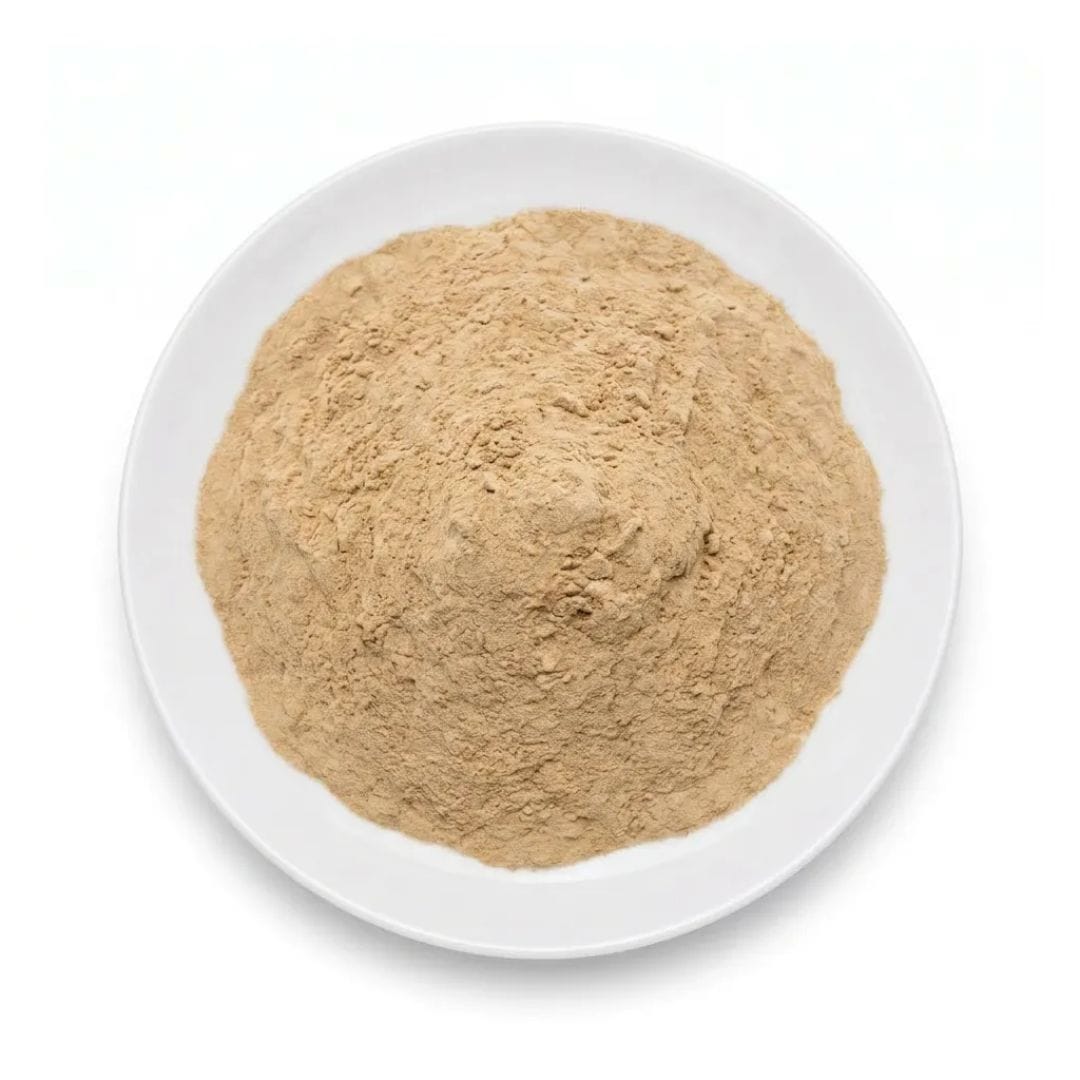
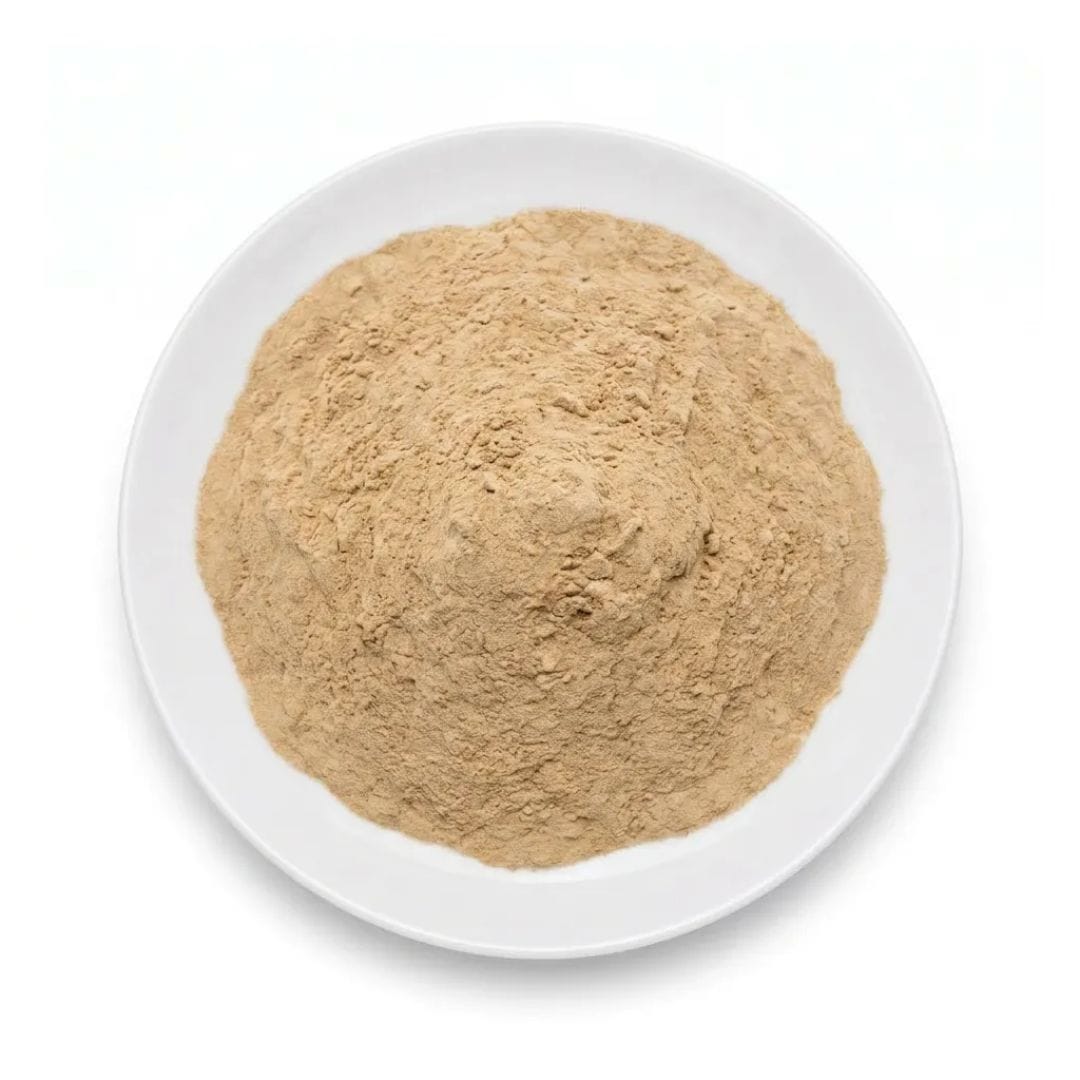
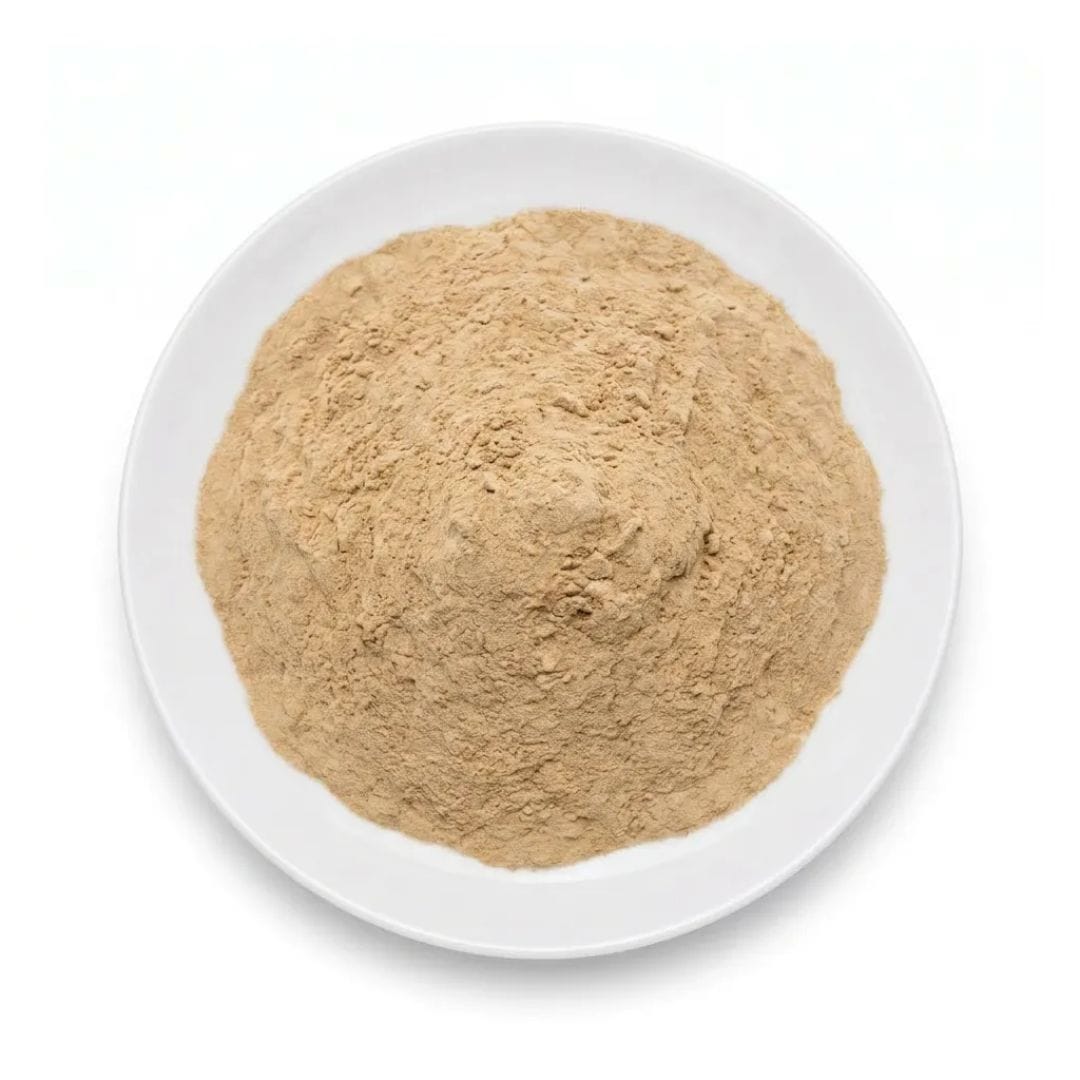
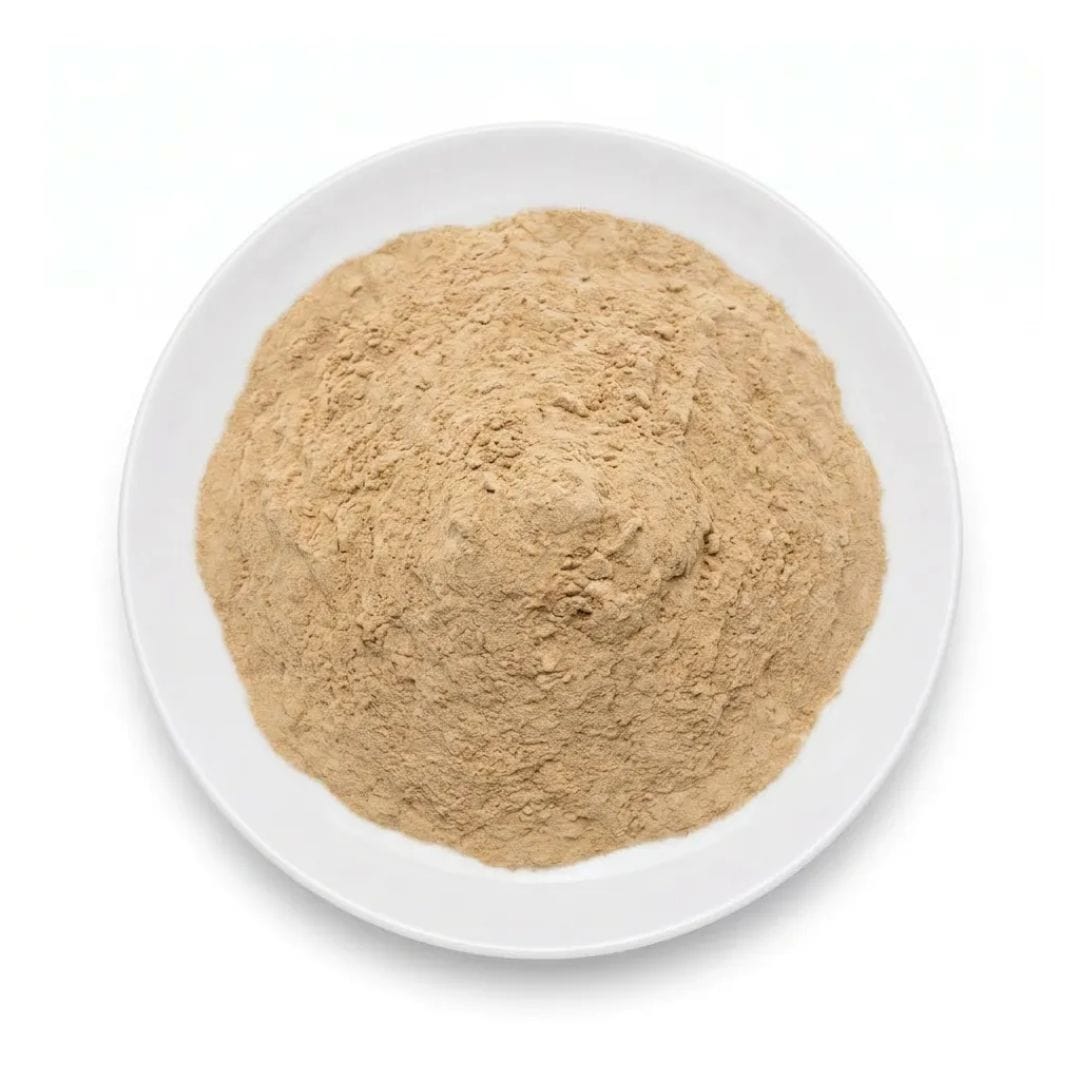
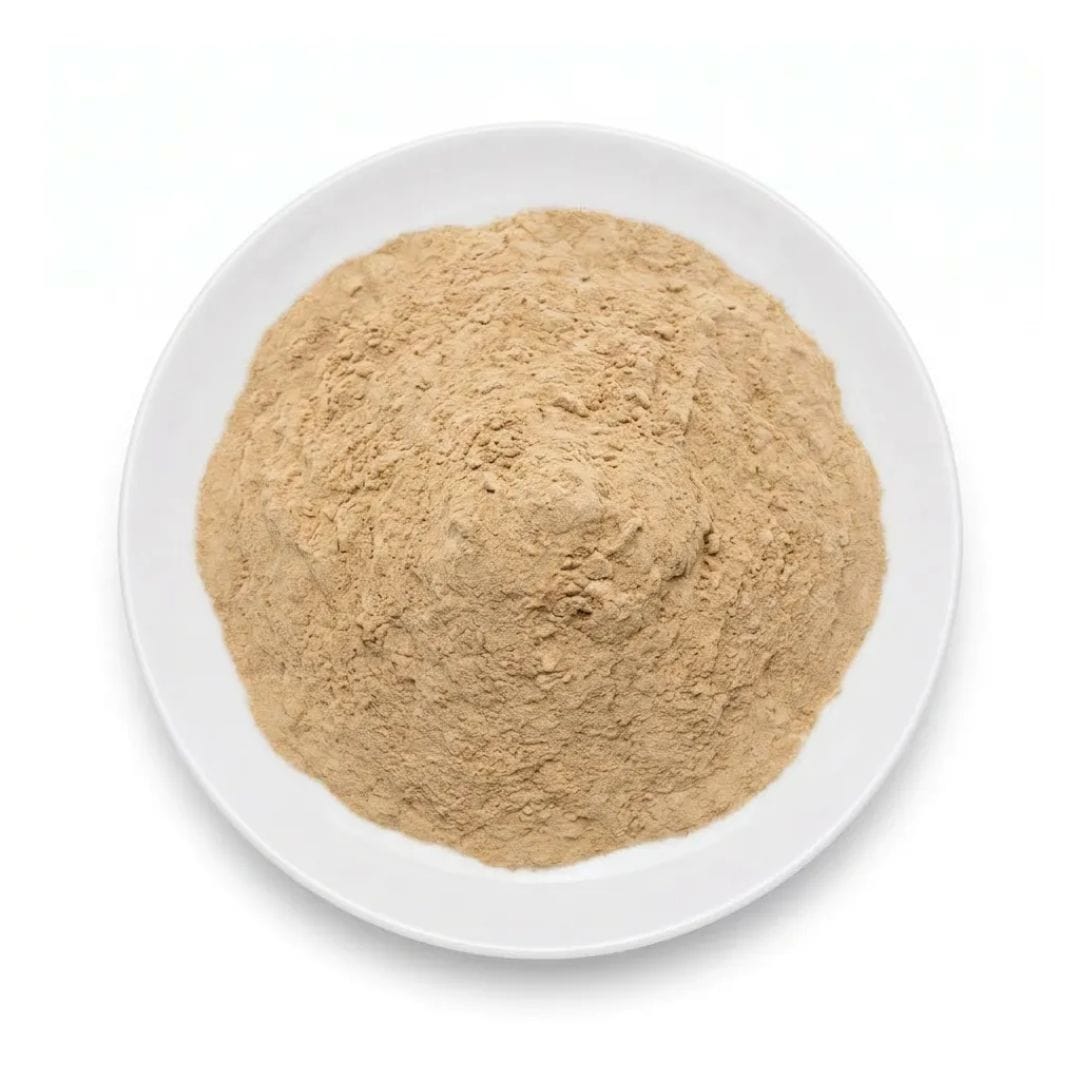
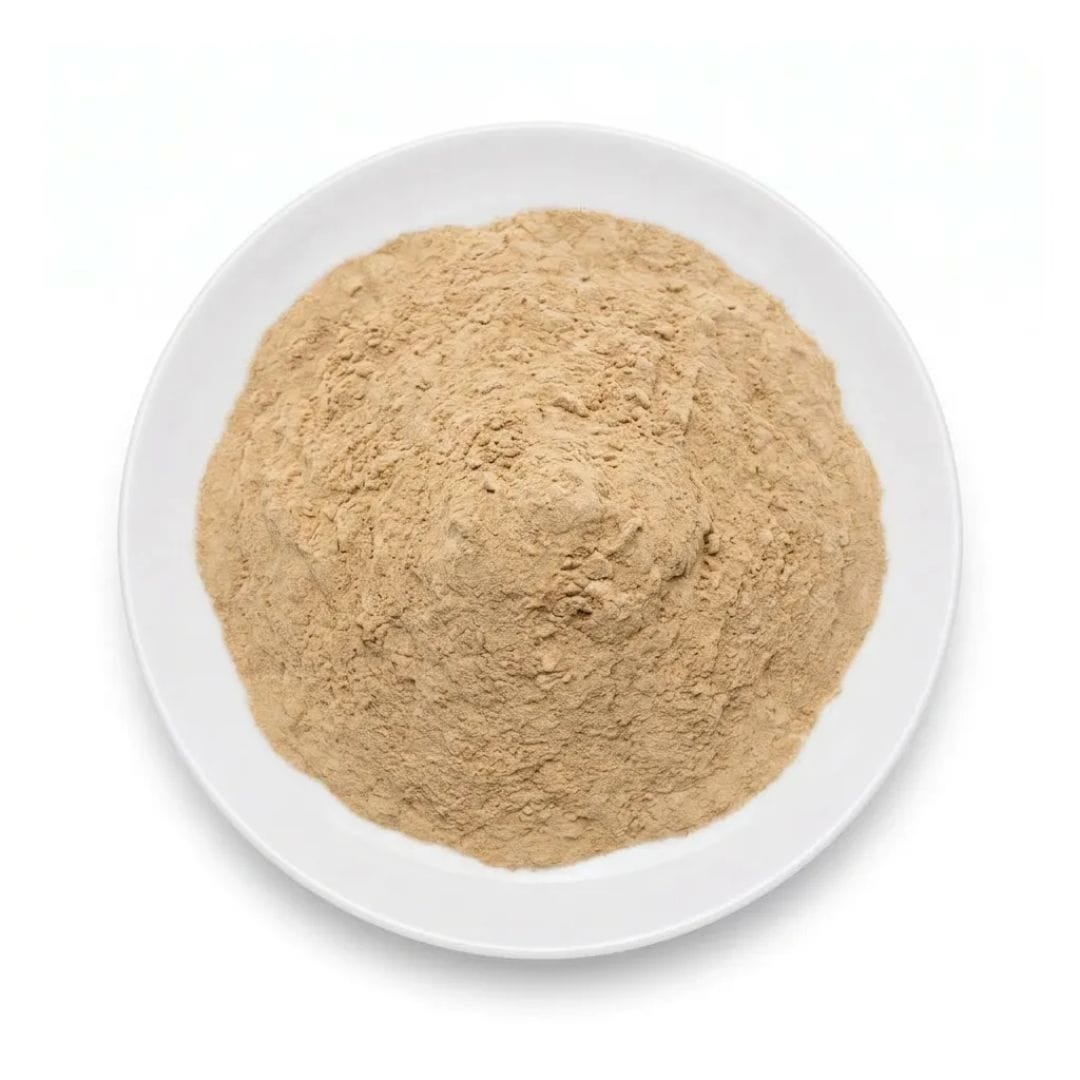
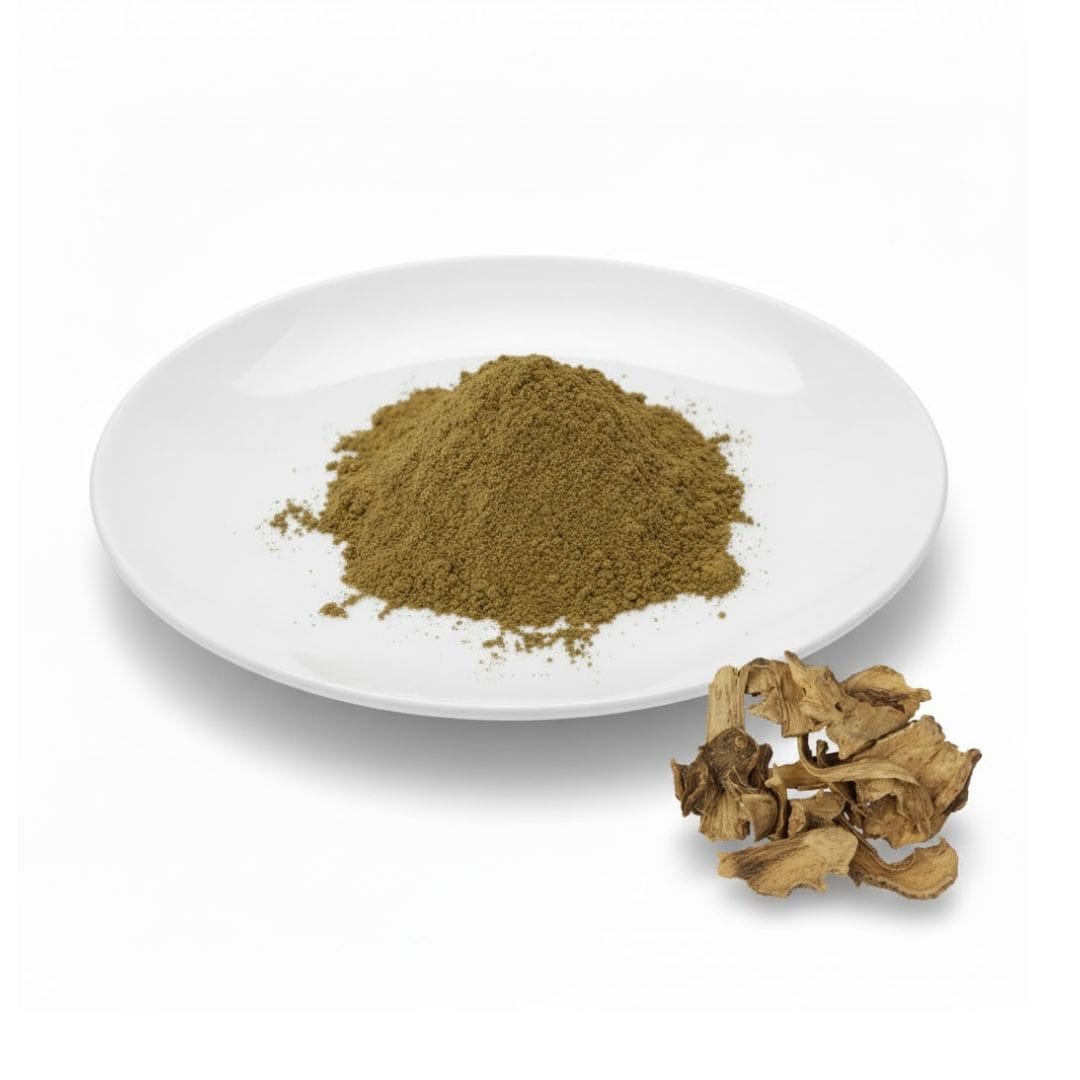
- Appearance — Brown powder — Complies
- Ash — ≤5.0% — 3.65%
- Moisture — ≤5.0% — 4.5%
- Heavy metals — ≤10 ppm — Complies
- Arsenic (As) — ≤2.0 ppm — Complies
- Odor — Characteristic — Complies
- Particle size — 100% through 80 mesh — Complies
Microbiological:
- Total bacteria — ≤1000 cfu/g — Complies
- Fungi — ≤100 cfu/g — Complies
- Salmonella — Negative — Complies
- E. coli — Negative — Complies
ELECAMPANE EXTRACT BENEFITS:
Anti-inflammatory and antioxidant properties
Elecampane root contains bioactive compounds that show anti-inflammatory and antioxidant activity in preclinical studies. These properties may be relevant to inflammatory and oxidative-stress‑related conditions such as diabetes, neurodegenerative disorders and certain cancers. Much of the reported activity is attributed to alantolactone, a sesquiterpene lactone found in Inula species, though further research is needed.
Potential anticancer activity (preclinical)
Reviews of research on Inula species, including elecampane, note promising in vitro and basic research findings against various cancer cell lines. Laboratory studies have reported cytotoxic or growth‑inhibitory effects of elecampane-derived compounds on brain tumor cells, pancreatic cancer cells (e.g., isoalantolactone), leukemia cells (e.g., eudesmane sesquiterpenoids) and breast cancer cells (sesquiterpene lactones and alantolactone). These results are limited to cell and basic experimental models; well‑designed human studies are required to evaluate clinical relevance.
Respiratory support
Elecampane has a long history of use in traditional medicine for coughs and respiratory ailments such as rhinitis, bronchitis and throat infections. In vitro work indicates that alantolactone can reduce airway inflammation induced by cigarette smoke and may promote airway relaxation; researchers have suggested potential relevance to chronic obstructive pulmonary disease (COPD). Laboratory studies also show elecampane extracts can modulate immune cell activity and decrease inflammation in respiratory contexts. A clinical study of a multi‑ingredient cough preparation containing elecampane reported reduced cough severity and duration in children versus placebo, but the specific contribution of elecampane root alone was not isolated. Higher‑quality clinical trials are still needed.
Antimicrobial activity
Laboratory studies demonstrate elecampane compounds can act against Staphylococcus aureus, with proposed mechanisms including disruption of bacterial cell membranes. Additional in vitro research suggests activity against Mycobacterium tuberculosis and inhibitory effects on Candida species. These findings indicate potential as a source of antimicrobial agents, though clinical validation is limited.
Certification:
Where to buy Elecampane Extract?
For purchasing or product inquiries, contact Extracts China by email at [email protected] or submit your requirements via the inquiry form on our site. We are available to assist you at any time.
Hot Tags: elecampane extract, elecampane root extract, Indian elecampane root extract, suppliers, manufacturers, factory, wholesale, buy, price, quotation, bulk, for sale